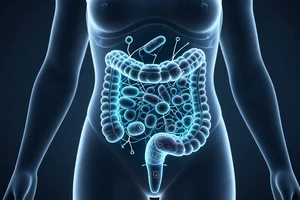

You hear a lot about gut health these days, but one of the most important markers is diversity—the sheer number of different microbial species living in your digestive tract. A highly diverse microbiome is linked to better immune function, stable mood, and lower inflammation. A less diverse one? That's been tied to everything from allergies to metabolic issues.
If you suspect your gut flora could use some variety, you're probably right. Many of us are running on a pretty limited microbial roster. The good news is that the causes are usually straightforward, and the fixes are rooted in everyday habits. Here are three common reasons your microbiome might lack diversity, and what you can do about it.
1. Your diet is too narrow
The single biggest factor shaping your gut bacteria is what you eat. Different microbes thrive on different types of fiber and plant compounds. If your diet is built around the same few ingredients—white rice, chicken, bread, pasta, maybe a banana—you're essentially feeding only a small subset of your gut's potential residents.
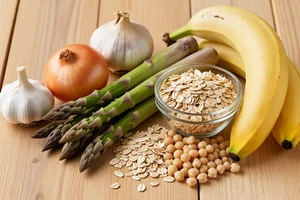
The fix: Eat a wider range of plant foods. This doesn't mean you need to go fully vegetarian or adopt an extreme diet. It just means expanding your rotation. The goal is to aim for 30 different plant foods per week. That includes vegetables, fruits, legumes (beans, lentils, chickpeas), whole grains (oats, quinoa, barley), nuts, seeds, herbs, and spices. Yes, coffee and dark chocolate count, too. Each provides a unique type of fiber and polyphenol that acts as fuel for different bacterial strains.
Short tip: Try adding one new vegetable or legume to your shopping list each week. Even a handful of walnuts or a sprinkle of pumpkin seeds counts toward your plant diversity.
2. You're on a low-fiber or highly processed diet
Even if you eat a variety of foods, the quality matters. Ultra-processed foods—think packaged snacks, sugary cereals, fast food, and sodas—contain very little fiber. Fiber is the primary food source for your gut bacteria (called prebiotics). Without it, the beneficial microbes starve, and the less-helpful ones that prefer simple sugars can take over.
A low-fiber diet doesn't just reduce bacterial numbers; it actively shrinks the diversity of species over time. Studies in populations that consume traditional high-fiber diets (think rural Africans or people in the Blue Zones) consistently show much richer and more diverse microbiomes compared to people eating a standard Western diet.
The fix: Prioritize whole, fiber-dense foods at every meal. Aim for at least 25 to 35 grams of fiber per day from food. Good sources include raspberries (8 grams per cup), lentils (16 grams per cup cooked), chia seeds (10 grams per two tablespoons), artichokes (7 grams per medium artichoke), and oats (4 grams per cup cooked). Swap refined grains (white bread, white pasta) for whole-grain versions. Have a piece of fruit instead of fruit juice. Sprinkle flax or chia seeds into yogurt or oatmeal.
3. You've taken multiple rounds of antibiotics
Antibiotics are life-saving medications, but they are not selective. They kill the bacteria causing your infection, but they also wipe out large swaths of your beneficial gut flora. Each course of broad-spectrum antibiotics can reduce your gut microbiome diversity for weeks or even months. If you've had several courses over the past year—for an ear infection, a sinus issue, or a dental procedure—your gut is likely still recovering.
The fix: Replenish and repopulate after antibiotics. If you must take antibiotics, do it under a doctor's guidance and never push for a prescription for viral infections (colds, flu). After the course is complete, focus on repopulating your gut with fermented foods. These are natural sources of live beneficial bacteria (probiotics). The most evidence-backed options include unsweetened yogurt, kefir (a cultured milk drink), kimchi, sauerkraut (choose refrigerated, unpasteurized varieties), miso, and kombucha.
Eating these foods daily for several weeks after antibiotics can help restore diversity much faster than relying on diet alone. Also, keep up the fiber intake during this time—the prebiotics help the good bacteria you're introducing establish themselves.
A note on sleep and stress
While diet and antibiotics are the heavy hitters, chronic high stress and poor sleep also take a toll. Stress hormones can alter the gut environment, favoring certain species over others, and sleep deprivation has been shown to reduce microbial diversity in as little as a few days. If you're tackling the diet side but still struggling, look at your stress management and sleep hygiene as supporting players in the same game.
Improving gut microbiome diversity doesn't require a complete lifestyle overhaul overnight. Small, consistent changes—adding a fermented food here, a new vegetable there, and protecting yourself from unnecessary antibiotics—will gradually rebuild a richer, more resilient microbial community. Your whole body will thank you for it.