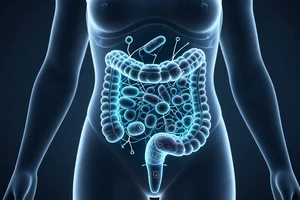

Bloating after a meal is one of the most common digestive complaints. That tight, swollen feeling in your abdomen can make even a small portion feel heavy and uncomfortable. While occasional bloating is normal, frequent post-meal distention often points to a few repeat offenders in your eating pattern. The good news is that most causes are manageable with simple adjustments.
Below, we look at three primary reasons bloating may be a regular guest at your table — and what you can do about each without resorting to restrictive diets or expensive supplements.
1. Swallowing too much air (aerophagia)
You might not realize it, but you can swallow a significant amount of air while eating or drinking. This trapped air must go somewhere, and much of it ends up in your digestive tract, causing pressure and distention. Common habits that increase air intake include eating very quickly, talking while chewing, drinking carbonated beverages, and chewing gum.
The fix is largely behavioral. Slow down at meals — aim to take at least 20 minutes for a moderate-sized plate. Put your fork down between bites and chew thoroughly. If you drink sparkling water or soda, consider swapping for still water, especially during meals. And if you use a straw, that’s another fast track to a belly full of air; ditch it.
Quick tip: If you notice belching soon after eating, that’s often a sign you’ve swallowed extra air. Slowing down almost always helps.
2. High-FODMAP foods (fermentable carbohydrates)
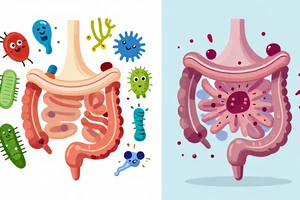
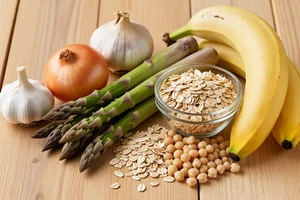
Certain carbohydrates are poorly absorbed in the small intestine and travel to the colon, where gut bacteria ferment them rapidly, producing gas. These are known as FODMAPs — fermentable oligosaccharides, disaccharides, monosaccharides, and polyols. Common high-FODMAP foods include wheat, onions, garlic, beans, lentils, certain fruits (apples, pears, watermelon), and dairy products for those who are lactose intolerant.
This is not about cutting out entire food groups forever. Instead, you can identify triggers by keeping a simple food and symptom diary. If you notice bloating after a lentil soup or a garlic-heavy pasta, try a smaller portion or a low-FODMAP alternative (such as garlic-infused oil, which contains the flavor but not the fermentable carbs). Many people find that cooking beans thoroughly and rinsing canned beans reduces their gas-producing potential significantly.
What about fiber?
Fiber is essential for gut health, but suddenly increasing your intake — especially from beans, broccoli, or cabbage — can cause temporary bloating. Increase fiber gradually over several weeks and drink plenty of water. Soluble fiber from oats, carrots, and psyllium tends to be gentler for sensitive systems than the insoluble fiber found in raw greens and bran.
3. Eating large or heavy meals too quickly
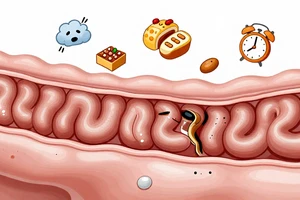
Volume and speed matter. When you eat a very large meal, your stomach stretches beyond its comfortable capacity, which can trigger a feeling of pressure and bloating long before gas even enters the picture. That pressure also slows down gastric emptying, meaning food sits in your stomach longer, allowing more fermentation and gas production.
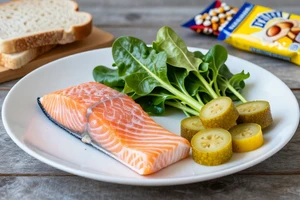
The solution is practical: smaller, more frequent meals. Instead of three large squares, try four or five moderate-sized portions spread across the day. This keeps your stomach from overfilling and gives your digestive system a manageable workload. Also, pay attention to meal composition — high-fat meals (think fried foods, creamy sauces, fatty meats) delay stomach emptying, which can worsen bloating. Balance your plate with lean protein, cooked vegetables, and a moderate amount of healthy fats.
Beyond these three core causes, there are a few other factors worth considering. For some people, constipation (even mild) contributes to post-meal bloating because the slowed transit gives gas more time to accumulate. Staying hydrated, moving your body regularly, and including natural sources of magnesium (like leafy greens, nuts, and seeds) can help keep things moving. Probiotics from fermented foods (yogurt, kefir, sauerkraut) may also support a balanced gut microbiome, though not everyone responds the same way.
If bloating persists despite these changes, or if it is accompanied by pain, changes in bowel habits, or unintended weight loss, it is wise to consult a healthcare professional. Bloating can sometimes be a symptom of conditions such as irritable bowel syndrome (IBS), small intestinal bacterial overgrowth (SIBO), or celiac disease. A doctor can help rule out underlying issues with appropriate testing.
The takeaway here is that most post-meal bloating is manageable with mindful adjustments — not a life sentence of bland food or tiny portions. By addressing how you eat as much as what you eat, you can often find relief within a few weeks.