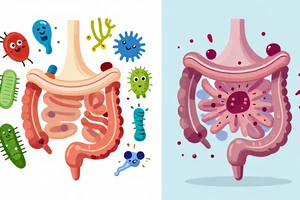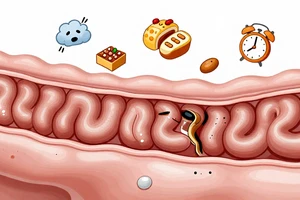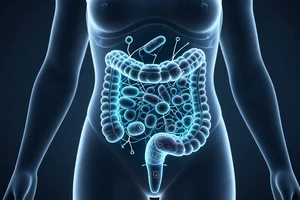

The gut-brain axis is the body's internal communication highway, linking your digestive system directly to your central nervous system. When this connection is strong, you tend to feel more clear-headed, balanced, and comfortable. But when it weakens—often without obvious signs—it can contribute to brain fog, mood dips, and digestive discomfort. The good news is that diet plays a leading role in either straining or strengthening that link. Here are three common culprits that can disrupt the gut-brain axis, along with practical food swaps that support a healthier connection.
1. A diet high in ultra-processed foods
Ultra-processed foods—think packaged snacks, sugary cereals, fast food, and many deli meats—are stripped of fiber and loaded with emulsifiers, artificial sweeteners, and refined oils. These ingredients disrupt the diversity of your gut microbiome, reducing the production of short-chain fatty acids that help maintain the intestinal barrier.
When the gut lining becomes more permeable—often called “leaky gut”—inflammatory compounds can escape into the bloodstream and trigger immune responses that affect the brain.
What to eat instead: Prioritize whole or minimally processed foods. Swap sugary breakfast bars for a bowl of oats with berries and walnuts. Replace soda with sparkling water infused with lemon or cucumber. Choose whole-grain bread over white bread. These small shifts feed beneficial gut bacteria and help keep the intestinal barrier strong.
2. Chronic stress without dietary support
Stress doesn't just live in your head—it reshapes your gut. Cortisol, the primary stress hormone, alters gut motility, reduces mucus production, and shifts the balance of microbial populations. Over time, this can lower the production of neurotransmitters like serotonin and dopamine, which are largely made in the gut.
When you're under constant pressure and also eating a diet low in fiber, fermented foods, and polyphenols, your gut doesn't get the raw materials it needs to buffer the effects of stress.
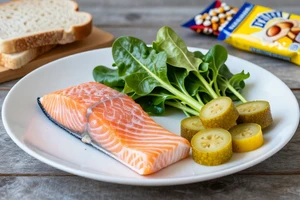
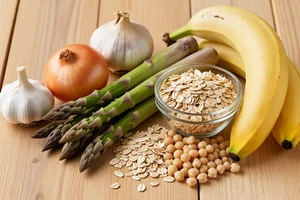
What to eat instead: Add fermented foods like plain yogurt, kefir, sauerkraut, or kimchi to your meals a few times per week. These supply live probiotics that help replenish beneficial bacteria. Pair them with prebiotic-rich foods such as garlic, onions, asparagus, and bananas to feed those microbes. Magnesium-rich foods like leafy greens, almonds, and pumpkin seeds can also help calm the nervous system.
3. Overuse of antibiotics or lack of variety
Antibiotics are life-saving, but repeated or high-dose courses can wipe out both harmful and beneficial bacteria in the gut. A single course can reduce microbial diversity for months, and without intentional dietary support, the ecosystem may not fully recover. A diet that leans on the same few foods day after day also limits the range of bacteria that can thrive.
What to eat instead: Aim for 30 different plant foods per week—this doesn't have to be complicated. Rotate your grains (quinoa, oats, barley, brown rice), vary your vegetables (dark leafy greens, bell peppers, carrots, beets), and include a range of fruits (berries, apples, citrus). Each plant type feeds different microbial communities. Including resistant starches like cooked and cooled potatoes or legumes can also stimulate butyrate production, a key anti-inflammatory compound for the gut-brain axis.
Strengthening the gut-brain axis isn't about a single superfood—it's about building a pattern of eating that supports microbial diversity, reduces inflammation, and provides the nutrients your brain needs to function. By cutting back on processed foods, managing stress with gut-friendly choices, and expanding your plant variety, you give your body's communication system the best chance to work smoothly.