As we age, the microbial landscape in our intestines naturally shifts. For many seniors, this means a decline in overall gut diversity—a condition linked to slower digestion, increased inflammation, and a weaker immune response. While a diverse microbiome is built over time through diet and lifestyle, one of the most practical ways to support it is by adding targeted fermented beverages to a daily routine.
Gut health experts emphasize that not all probiotic drinks are created equal, especially for older adults. The ideal options need to deliver live cultures that survive stomach acid, provide a meaningful variety of bacterial strains, and avoid excessive sugar or artificial additives that can counteract the benefits. Here are the two probiotic drinks dietitians consistently recommend for seniors looking to improve low gut diversity.
Kefir: A Potent, Diverse Source of Live Cultures
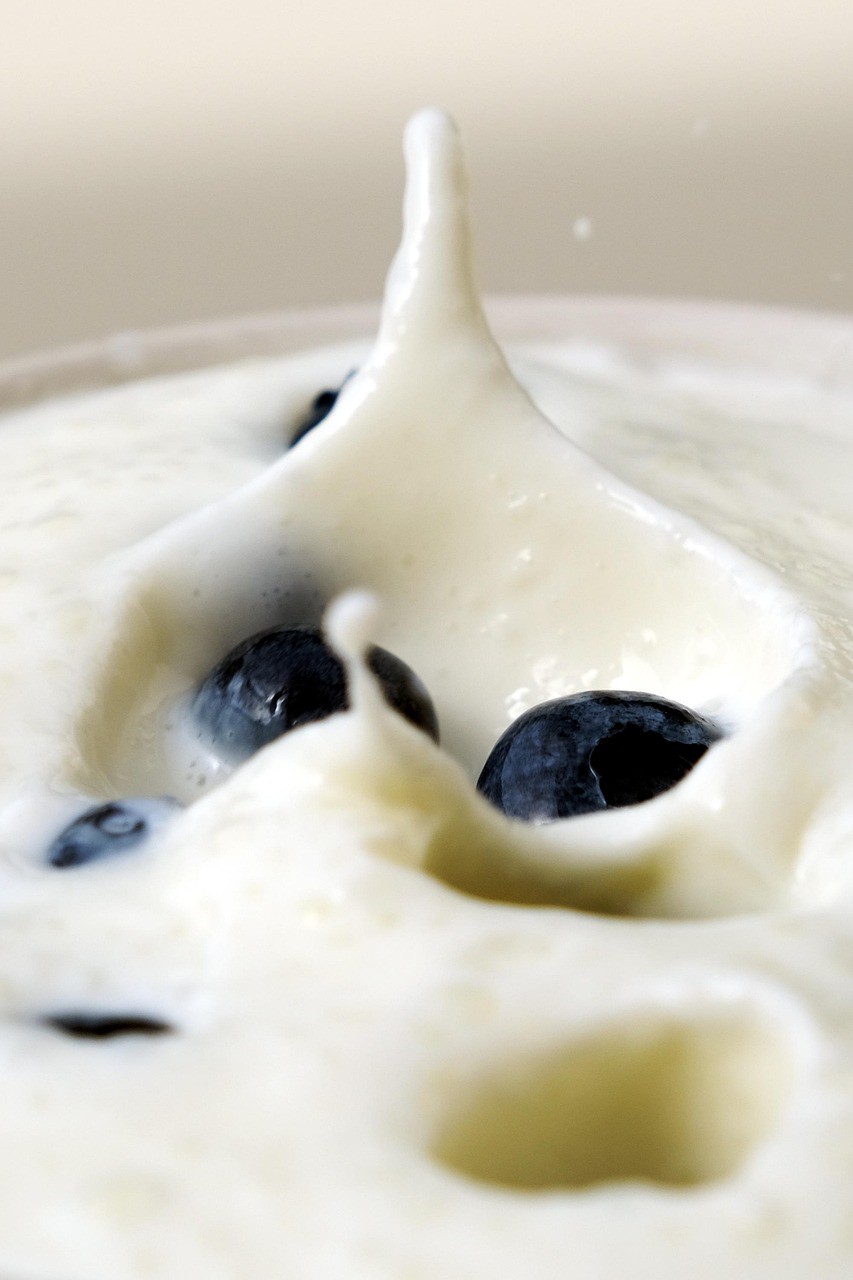
Kefir is often described as the heavyweight champion of fermented dairy. Unlike standard yogurt, which typically contains a handful of bacterial strains, traditional kefir can harbor upwards of 30 different species of beneficial bacteria and yeasts. This high strain diversity is precisely what seniors with a depleted microbiome need.
“The yeast and bacteria in kefir work together in a symbiotic relationship, which helps them survive digestion and reach the colon alive,” explains a registered dietitian specializing in geriatric nutrition. “For an older gut that has lost flexibility, kefir provides a broad ‘seed bank’ to help restore balance.”
Plain, unsweetened kefir is the form dietitians recommend. Flavored versions are often packed with added sugar, which can feed pathogenic bacteria and yeast in the gut. For seniors watching their sodium or saturated fat intake, low-fat or non-fat kefir is a suitable alternative, though the full-fat version may be more satiating and easier to digest for some.
A typical serving is 4 to 6 ounces daily, often taken in the morning on an empty stomach or as part of a small snack. The mild tanginess takes some getting used to, but it can be blended into a smoothie with a handful of berries or a dash of cinnamon without negating the benefits.
Water Kefir: A Dairy-Free Alternative with Gentle Probiotics
For seniors who are lactose intolerant, sensitive to dairy, or simply prefer a lighter beverage, water kefir is the top alternative. Water kefir is made by fermenting sugar water (or coconut water) with water kefir grains—a culture of bacteria and yeast that feed on the sugar without producing the same heavy texture as dairy kefir.
Water kefir provides a broad spectrum of lactic acid bacteria, including species from the Lactobacillus and Bifidobacterium genera. These are critical for supporting the gut barrier and producing short-chain fatty acids that feed colon cells. Because it is less acidic and contains no milk proteins, it is often better tolerated by seniors with delicate digestive systems.
What to Look for in Store-Bought Versions
Commercially available water kefir is often pasteurized and then re-inoculated with probiotics, which can reduce the diversity of live cultures. Dietitians suggest looking for brands that explicitly state the product is unpasteurized, contains live cultures, and lists the specific bacterial and yeast strains on the label. Avoid products with added fruit juice concentrates or cane sugar as the first ingredient; a small amount of natural fruit juice for flavor is fine.
Home fermentation is a simple option that ensures maximum potency, but older adults should follow basic sanitation guidelines to prevent contamination. A 6- to 8-ounce serving once per day is sufficient to start, gradually increasing if tolerated well.
Why Variety Matters More Than Potency for Seniors
A common mistake among older adults is choosing a single probiotic drink and consuming it religiously, hoping for a microbial renaissance. Dietitians stress that while kefir and water kefir are excellent foundations, true gut diversity comes from a varied intake of fermented foods and prebiotic fibers.
Studies on aging microbiomes suggest that consuming two different fermented beverages—such as kefir one day and water kefir the next—exposes the gut to a wider range of microbial species than sticking to just one. This is especially important for seniors with low gut diversity because a monoculture of bacteria can lead to dependency rather than resilience.
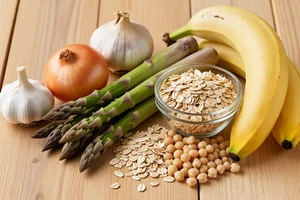
Pairing these drinks with prebiotic foods such as oats, garlic, leeks, or bananas helps feed the newly introduced bacteria. Without adequate prebiotic fiber, even the best probiotic drink will have a limited impact on long-term diversity.
Practical Considerations for Seniors
Both kefir and water kefir are generally safe for older adults, but a few precautions are worth noting. Anyone with a compromised immune system, a central venous catheter, or a history of severe GI surgeries should consult a healthcare provider before starting any probiotic regimen. Initial bloating or mild gas is common during the first week as the gut microbiome adjusts; this usually resolves on its own.
Seniors taking medications that reduce stomach acid, such as proton pump inhibitors, may need to time their consumption a few hours apart from the medication to ensure the probiotics survive the stomach. Similarly, those with late-stage kidney disease should be cautious with high-potassium versions of water kefir made with coconut water.
The evidence is clear that fermented drinks can be a powerful tool for rebuilding gut diversity later in life. By choosing kefir or water kefir—and rotating between them—seniors can introduce a robust community of beneficial microbes with minimal effort. As always, the best results come from pairing these drinks with a colorful, fiber-rich diet and a consistent routine.