
Your gut microbiome is a bustling community of trillions of bacteria, fungi, and other microbes that work around the clock to support digestion, immunity, and even mood. It’s resilient, but it’s also surprisingly sensitive to the small routines you repeat every day. Two common habits—often done without a second thought—can quietly throw this ecosystem off balance.
You don’t need a complete lifestyle overhaul to protect your gut. Start by recognizing these two daily disruptors and understanding what makes them so impactful.
The first habit: Constant snacking between meals
It’s easy to reach for a handful of crackers, a granola bar, or a latte mid-morning. But grazing throughout the day doesn’t just add extra calories—it denies your gut something it needs: rest.
Why your gut needs fasting windows
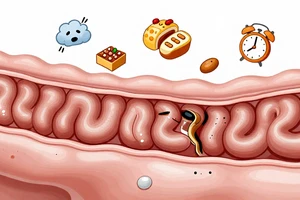
When you eat, your body releases bile and digestive enzymes, and the microbes in your large intestine get a fresh supply of food. But if you’re constantly eating, you never give the gut a chance to sweep out old bacteria and reset. This is known as the migrating motor complex—a wave of muscular contractions that clears the small intestine between meals. It only kicks in after several hours of fasting.
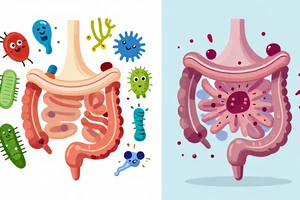
Without these cleaning waves, old debris and bacteria can linger, which may promote dysbiosis—an imbalance in the gut’s microbial community. Over time, dysbiosis is linked to bloating, inflammation, and a weaker gut barrier.
How to break the cycle
Try to leave at least three to four hours between meals. If you must snack, keep it a single, whole-food option (like an apple or a handful of almonds) rather than a constant stream of bites. And consider stopping eating at least three hours before bed to give your digestive system an overnight rest.
Your gut microbiome thrives on rhythm. Regular meal timing helps beneficial bacteria flourish.
The second habit: Skimping on sleep or sleeping erratically
You probably already know that poor sleep affects your energy and focus. But your gut runs on its own clock, too—the circadian rhythm. When your sleep schedule shifts, it throws off the daily cycles of gut bacteria.
How sleep loss changes your gut
Research shows that even a few nights of short or disrupted sleep can reduce the diversity of gut microbes. A less diverse microbiome is generally less resilient and more prone to inflammation. Sleep deprivation also increases stress hormones like cortisol, which may alter the gut environment and make it easier for harmful bacteria to grow.
The gut is closely linked to the brain via the vagus nerve. When you sleep poorly, your brain sends different signals to the gut, potentially affecting digestion, nutrient absorption, and even the gut’s ability to repair its lining.
Practical steps for better sleep hygiene
Aim for seven to nine hours of consistent sleep per night. Keep your bedtime and wake time within the same one-hour window every day—yes, even on weekends. Before bed, reduce exposure to blue light from screens and avoid large meals for at least two to three hours. These simple adjustments help your gut keep its own internal beat.
Other daily factors that subtly affect gut health
While the two habits above are the most common disruptors, a few other daily choices also matter. Stress is a big one—chronic stress can change gut motility and microbial composition. Overuse of antibiotics (especially unnecessary courses) can deplete beneficial bacteria. And a diet extremely low in fiber leaves gut microbes hungry, as they rely on fiber as their primary food source.
- Chronic stress can shift the balance toward less friendly bacteria.
- Frequent antibiotic use may reduce microbial diversity for months.
- Low-fiber diets starve beneficial bacteria, leading to a less robust gut ecosystem.
Shoring up your fiber intake—aim for 25–35 grams per day from vegetables, fruits, legumes, and whole grains—provides the prebiotics your gut microbes need to thrive.
Can you undo the damage?
The good news is that the gut microbiome is remarkably flexible. You can begin to repair the balance within days by addressing the two habits above. Start by extending your overnight fast and committing to a regular sleep schedule. Notice how your digestion and energy change.
If you want to go a step further, incorporate fermented foods like yogurt, kefir, sauerkraut, or kimchi. They contain live microbes that can add to your gut’s diversity. And stay hydrated—water helps maintain the mucus layer in the gut, which acts as a protective barrier.
Small, consistent changes build lasting resilience. Your gut doesn’t need perfection—it needs rhythm, rest, and fuel from real food.