You’ve added digestive enzymes to your routine, hoping for relief from bloating or that heavy feeling after meals. But what if your careful effort is quietly being undone by how you take them? More often than not, the issue isn’t the supplement itself — it’s two common missteps that even diligent users make. Let’s get into the details so your enzymes can actually do their job.
Digestive enzymes are sensitive. They require a specific environment to survive the journey from your mouth to your small intestine. Get the simple logistics wrong, and you might as well be swallowing chalk. Here are the two main culprits that sabotage effectiveness — and how to fix them with small, practical changes.
1. Taking Enzymes at the Wrong Time — or Not Taking Them With Food
The number-one mistake is taking a digestive enzyme supplement on an empty stomach. Many people assume that, like a vitamin, they just need to take it once a day with their morning water. But that’s not how enzymes work.
A quality digestive enzyme is designed to work side-by-side with the food you eat. It needs to be present in the stomach and small intestine exactly when digestion happens. If you take it thirty minutes before or an hour after your meal, the protective coating may degrade too early, or the enzymes may simply pass through without any food to break down.
The fix: Take your enzymes with the first bite of your meal, or immediately before you start eating. This ensures they mix directly with your food and are activated at the right moment.
Pay attention to the specific instructions on your bottle, too. Some products are intended to be taken immediately before a meal, while others are best taken during the first few bites. The general rule, however, is don’t separate them from food.
2. Pairing Enzymes with Very Hot or Very Cold Drinks
Temperature is the silent saboteur. Digestive enzymes are protein-based catalysts, and they have a narrow temperature range where they remain stable. Many people swallow their enzyme capsule with a steaming cup of coffee or tea — or wash it down with ice water.
Extreme heat can denature the delicate proteins, making them inactive before they even reach your digestive tract. Think of it like cooking an egg white — once it's heated, it can't go back to its raw form. Similarly, extreme cold can shock the enzymes and slow their activity, reducing how effectively they function in the warm environment of your body.
It doesn’t mean you have to give up your morning coffee. It simply means you need a small timing adjustment.
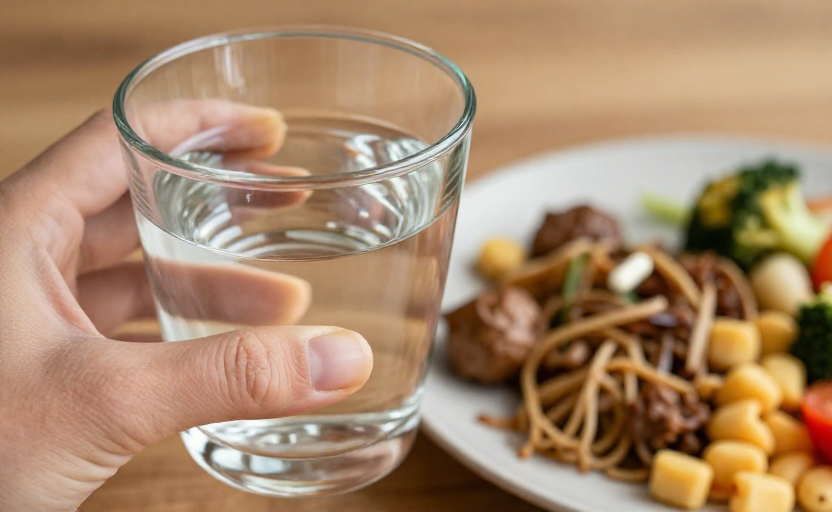
The fix: Take your enzyme capsule with a small sip of room temperature water. Then wait just a couple of minutes before drinking your hot beverage. This simple buffer keeps the enzymes intact until they meet your meal.
A Quick Note on Chewing Your Enzymes
While not as common, some people crush or chew their enzyme capsules, thinking it helps absorption. Unless the product is specifically marketed as a chewable formula, avoid this. Many capsules are designed with a protective coating that survives stomach acid; crushing it can destroy that protection. Swallow whole with cool or lukewarm liquid.
Beyond the Basics: Other Factors That Matter
Once you've fixed the timing and temperature, you can fine-tune a few other details:
- Stomach acid levels matter. If you have low stomach acid (common as we age), some enzyme blends may not activate fully. You might need a formula that includes betaine HCl or pepsin, but that’s a conversation for your healthcare provider.
- Not all enzymes are created equal. A broad-spectrum formula that includes protease, lipase, and amylase covers protein, fat, and carbohydrate digestion. If you have specific issues — like trouble digesting beans or broccoli — look for added alpha-galactosidase, found in targeted blends for gas and bloating.
- Check your storage. Most enzymes are fine at room temperature, away from moisture and heat. Stashing them in a steamy bathroom cabinet can degrade them just as quickly as a hot drink.
When you support your enzymes properly, you give your gut the help it was designed to use — not a wasted supplement. Small shifts in when and how you take them can turn a vague hope into real, noticeable difference.