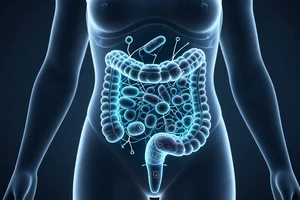
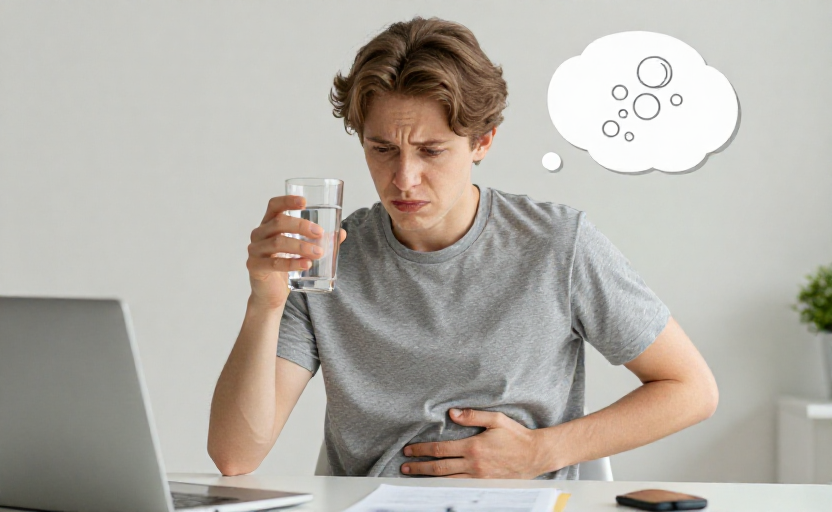
Feeling puffy and uncomfortable after a meal is one of the most frustrating sensations in digestive health. You eat something you think is fine, and within an hour, your stomach feels like a drum. Many people try to fix this by making sudden changes to their diet, but the solution isn't always about what you remove. Often, it's about how and when you eat. After working with countless readers on their gut-health journeys, I see two specific missteps over and over again. Let's break them down so you can stop the bloat — not by suffering, but by adjusting your strategy.
Mistake #1: Overloading on raw vegetables and high-fiber foods overnight
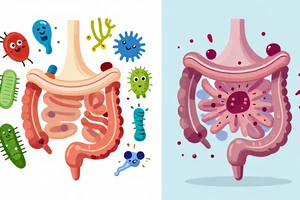
We all know fiber is good for us. It feeds our gut bacteria, keeps things moving, and helps regulate blood sugar. But when someone suddenly switches from a low-fiber diet to a salad-heavy, legume-packed regimen, the gut microbiome often rebels. The result? Gas, distention, and that tight, uncomfortable feeling you were trying to avoid in the first place.
Raw cruciferous vegetables — think broccoli, cauliflower, kale, and cabbage — are especially tricky. They contain a type of carbohydrate called raffinose, which the human body cannot digest on its own. Instead, our gut bacteria feast on it, producing hydrogen, methane, and carbon dioxide as byproducts. That's the gas you feel.
This doesn't mean you should avoid fiber forever. The fix is gentler: introduce high-fiber foods slowly, over a few weeks, and always pair them with plenty of water. Cooking vegetables (steaming, roasting, or sautéing) can also break down some of the complex sugars, making them easier to tolerate. Think of your gut like a muscle — you wouldn't run a marathon without training. The same logic applies to dietary fiber.
A quick tip: If you are sensitive to cruciferous vegetables, try blanching them for 2–3 minutes before eating. This softens the cell walls and reduces the gas-producing compounds without destroying all the nutrients.
Mistake #2: Drinking water the wrong way during meals
This one surprises almost everyone. You know hydration is important, and you've heard that water can help with digestion. But how you drink matters just as much as how much you drink. One of the most common bloat triggers I see is gulping down large amounts of water or other beverages during a meal.
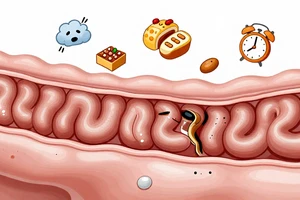
When you swallow air along with your water — which happens easily when you drink quickly from a glass or bottle — that air gets trapped in your stomach and intestines. This is called aerophagia, and it's a direct cause of post-meal bloating. Additionally, drinking too much liquid alongside food can dilute your stomach acid and digestive enzymes, making it harder for your body to break down proteins and complex carbohydrates. This can lead to fermentation in the lower gut, which produces more gas.
The better approach is to sip water slowly throughout the day, and limit drinking to small amounts (a few ounces) during meals. Keep your main hydration window to 30 minutes before eating or 30–60 minutes after finishing. If you feel thirsty while eating, take a tiny sip — just enough to moisten your mouth — and resist the urge to chug.
These two errors — the fiber overload and the meal-time water chug — are deceptively simple. Yet I see them in client journals and reader emails constantly. The good news is that both are easy to correct without giving up foods you love. Your digestive system isn't broken; it just needs a little coaching on pacing and preparation.
Why timing and temperature also matter (bonus insight)
While not as common as the two main mistakes, a related factor is the temperature of what you drink. Very cold beverages can slow down gastric emptying temporarily, causing food to sit longer in your stomach. If you tend to bloat, try room-temperature water or herbal tea with meals instead of iced drinks. This small swap can make a noticeable difference for some people.
Also, consider the pacing of your meal itself. Eating too quickly — regardless of what is on your plate — forces you to swallow excess air. Try putting your fork down between bites, chewing each mouthful thoroughly (aim for 20–30 chews per bite), and taking at least 20 minutes to finish your meal. Your gut will thank you.
When to see a doctor
Everyone experiences bloating from time to time. But if you have persistent or severe bloating that does not improve with these adjustments, or if it is accompanied by pain, diarrhea, weight loss, or blood in your stool, please consult a healthcare provider. Conditions like small intestinal bacterial overgrowth (SIBO), irritable bowel syndrome (IBS), or food intolerances may require a different approach. The tips in this article are for general wellness education, not a substitute for professional medical advice.
Making one small change at a time — such as cooking your vegetables or sipping your water more mindfully — can lead to a much more comfortable afternoon. Your gut is resilient, but it's also sensitive to sudden shifts. Treat it with patience, and the bloating will likely recede on its own.