
Living with irritable bowel syndrome often feels like walking through a minefield. You might have weeks of calm, followed by a sudden, painful reminder that your gut is in charge. When an IBS flare-up hits — with its familiar trio of bloating, cramping, and urgent trips to the bathroom — the natural reaction is to wonder: what did I do wrong?
The honest answer is that flare-ups are rarely caused by one single thing. However, most episodes tend to circle back to two common drivers: a food trigger you didn't spot, or a buildup of physical and emotional stress. Understanding these two root causes turns the guessing game into a manageable process. This article focuses on how to spot the dietary triggers that quietly sabotage your gut, while acknowledging the stress connection that often amplifies the reaction.
Cause #1: The Unexpected Dietary Trigger
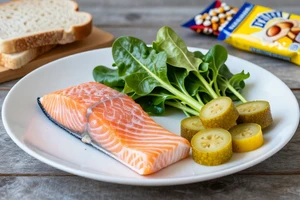
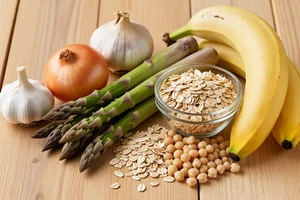
Even when you eat what you consider a “safe” diet, certain foods can act as silent irritants. For many people, the problem isn't the food itself, but how quickly it ferments or how much water it pulls into the bowel. This is where the FODMAP concept comes into play. FODMAPs (fermentable carbohydrates) are found in a wide range of healthy foods, including many fruits, vegetables, grains, and dairy products. A single bowl of lentil soup or a crisp apple, while nutritious, can be enough to tip your gut into distress if you are sensitive to these compounds.
The tricky part is that the effect is cumulative. You might tolerate a small portion of beans, but add a side of garlic-seasoned broccoli and a glass of milk, and the combination pushes your gut into overdrive. The reaction can also be delayed by 12 to 48 hours, making it very difficult to connect the meal to the symptoms. This delay is why many people dismiss whole categories of food, when really, they only need to adjust portion size or preparation method.
How to Start Spotting Your Triggers
The most reliable method for finding your specific dietary triggers is not guesswork — it is data. A structured elimination diet, typically overseen with guidance from a dietitian, remains the first-line approach. The gold standard is the low-FODMAP diet, which removes all high-FODMAP foods for a short period (usually 2 to 6 weeks). During this time, you monitor your symptom relief. Once your gut is calm, you systematically reintroduce individual foods to see which ones cause a reaction.
This is not about permanently cutting out all trigger foods. It is about learning your personal threshold. For example, you may discover that you can handle a quarter of an avocado but not half, or that garlic powder is much more tolerable than a fresh clove. Keeping a simple symptom diary — noting what you ate, your stress level, and how you felt afterward — is the single most effective tool for identifying patterns that your memory will miss.
You are not looking for a perfect diet. You are looking for your body's specific limits. Small tweaks in portion, ripeness, or preparation often make the difference between a good day and a flare-up.
Cause #2: The Stress-Digestion Feedback Loop
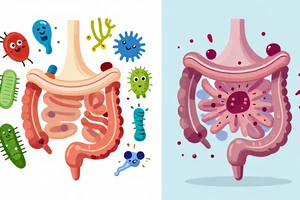
The brain and gut are directly connected via the vagus nerve. This bidirectional highway means that stress is not just an emotional state — it is a biological trigger for IBS symptoms. When you experience anxiety, time pressure, or even underlying worry about your symptoms, your body shifts into a “fight or flight” mode. Digestion is deprioritized. Gut motility changes, sensitivity increases, and the microbiome environment becomes more reactive to normal foods.
This second cause is often the reason why a food you tolerated last week suddenly causes a flare-up today. The food was never the sole problem — it was the combination of the food with a stressed nervous system. You eat a trigger food while relaxed, and it passes with minor discomfort. You eat that same food while rushing through a stressful day, and you experience a major reaction. The stress lowers your threshold.
Breaking the Cycle
Identifying stress as a trigger does not require you to eliminate stress from your life. That is unrealistic for most adults. Instead, it means adding intentional recovery practices. A short walk, a few minutes of deep diaphragmatic breathing before eating, or even simply sitting down without looking at a screen during a meal can noticeably reduce the gut reaction. These small habits help signal to your nervous system that it is safe to digest food.
For many, the most overlooked stress trigger is the stress of trying to control IBS. The hyper-vigilance around food choices can create a constant low-level anxiety that paradoxically worsens symptoms. Letting go of the idea of a perfect diet and adopting a flexible approach — where you aim for “good enough” most of the time — often reduces flares better than any single food restriction.
Practical Steps for Flare-Up Prevention
Armed with the knowledge of these two common causes, you can move from reacting to preventing. Here are three actionable steps that address both dietary triggers and the stress response:
- Keep a structured symptom diary. Write down the main meal, portion size, and your stress level (1 to 10) for three days. You will likely see a pattern you did not expect.
- Test one variable at a time. If you suspect a food, try removing it for two weeks. If symptoms improve, reintroduce a small amount on a calm day to confirm the connection. Do not remove a dozen foods at once — you will learn nothing.
- Pre-eat a calming ritual. Before any meal, pause for 30 seconds and take three slow, deep breaths. This activates the parasympathetic nervous system, directly calming the gut before food arrives.
Flare-ups are discouraging, but they are also information. Each episode gives you a clue about what your gut needs. Instead of fearing the next flare, use it as a signal to check in with what you ate and how you are feeling emotionally. By focusing on the two root causes — dietary triggers and the stress loop — you regain a sense of control. You stop fighting your gut and start listening to it.