You’ve heard that protein is important, but the real question is when and how much you actually need. Many people load up on protein at dinner—think a big chicken breast or a steak—and then barely touch it for breakfast or lunch. That pattern doesn't serve your body well. Research and nutrition experts agree: spreading your protein intake evenly across meals helps muscles stay strong, keeps blood sugar steady, and supports metabolic health.
Think of protein as the body’s building block. It repairs tissues, makes enzymes and hormones, and provides structure to every cell. But your body doesn’t store extra protein the way it stores fat or carbohydrates. If you eat a large amount at one meal, the surplus is oxidized for energy or excreted, not saved for later. That’s why consistency matters. Here’s what you need to know about why every meal should include a meaningful portion.
Protein Distribution and Muscle Health
Muscle protein synthesis—the process your body uses to repair and build muscle—is triggered by dietary protein, particularly the amino acid leucine. The problem is that this process is temporary. After a high-protein meal, synthesis increases for a few hours and then returns to baseline. If you skip protein at breakfast and lunch, your body spends most of the day in a “breakdown” state. By dinner, you try to catch up, but a single large dose doesn’t sustain muscle growth as well as three moderate doses would.
According to sports nutrition research, a target of roughly 25–30 grams of protein per meal is a good starting point for most adults. That’s not a strict prescription—individual needs vary based on weight, activity level, and age—but it gives you a practical benchmark. Spreading protein evenly over three meals has been linked to better muscle mass retention, especially in older adults who are more prone to sarcopenia (age-related muscle loss).
Blood Sugar Stability and Satiety
Protein slows the digestion of carbohydrates. When you eat a carb-heavy meal without protein—say, a bagel with jam or a bowl of sugary cereal—your blood sugar spikes quickly and then drops. That crash can leave you feeling hungry, irritable, and craving more carbs. Adding a protein source (eggs, Greek yogurt, tofu, or lean meat) at the same meal blunts that spike and keeps your energy level steadier for hours.
This is especially relevant for people managing insulin resistance or type 2 diabetes, but it’s good advice for anyone. A stable blood sugar curve reduces between-meal hunger and makes it easier to avoid mindless snacking. Protein is also the most satiating macronutrient, meaning a breakfast or lunch that contains enough protein is more likely to hold you over until the next meal.
Practical Ways to Add Protein at Every Meal
You don’t need protein powder or complicated meal prep to hit a per-meal target. Here are simple combinations:
- Breakfast: Two eggs and a quarter-cup of cottage cheese (about 25g); a smoothie with Greek yogurt and a scoop of protein powder; or a tofu scramble with vegetables.
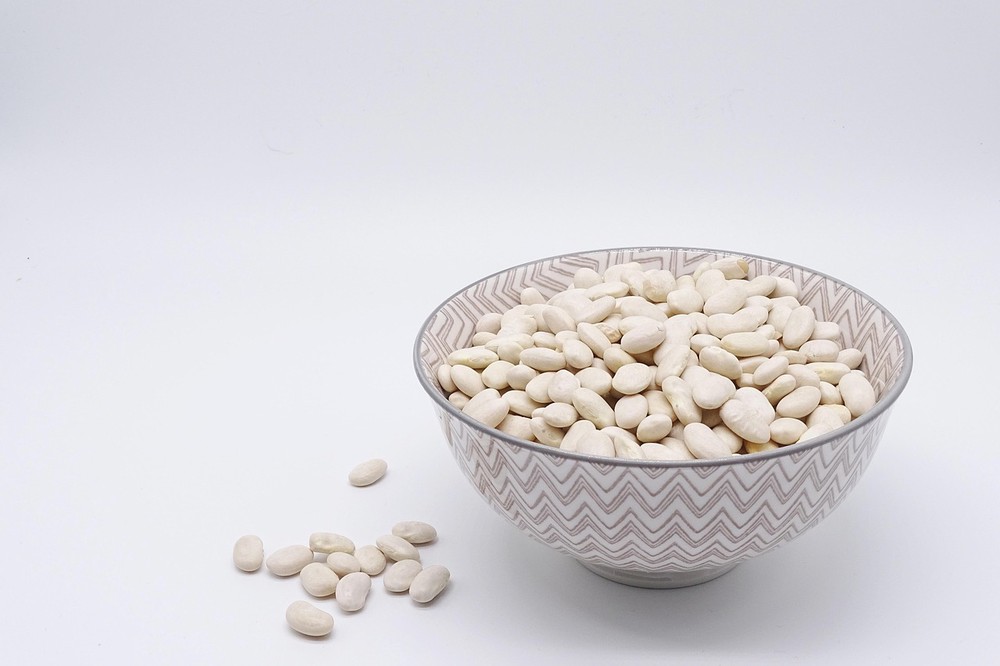
- Lunch: A salad with 4–5 ounces of grilled chicken, chickpeas, or edamame; a quinoa bowl with black beans; tuna salad on whole-grain crackers.
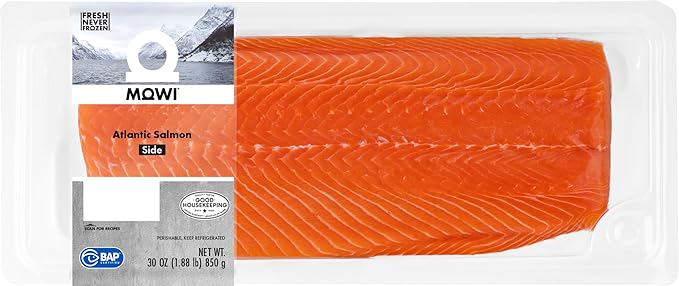
- Dinner: A palm-sized piece of fish, chicken, or lean red meat with a side of lentils; stir-fried tempeh with vegetables; a bean-based chili.
If you’re plant-based, focus on complementary proteins—beans with rice, hummus with pita, or tofu with quinoa—to ensure you get a full amino acid profile. Soy, quinoa, and buckwheat are complete proteins on their own.
What About Snacks?
Snacks can also be protein-rich, but they shouldn’t replace a meal’s worth of protein. Think of them as a bridge. A handful of almonds, a hard-boiled egg, a stick of string cheese, or a cup of milk all provide 6–10 grams of protein. If you’re highly active or have higher needs, you might benefit from an additional protein snack post-workout.
Does Protein Quality Matter?
Yes. Animal proteins (meat, dairy, eggs) are considered “complete” because they contain all nine essential amino acids in sufficient amounts. Most plant proteins are incomplete, meaning they lack one or more essential amino acids. But that’s not a problem if you eat a variety of plant sources throughout the day. The old idea that you must combine proteins at every meal has been relaxed; as long as your overall diet contains a mix of grains, legumes, nuts, and vegetables, your body will get what it needs.
Aim for three meals each with roughly 25–30 grams of protein, rather than one huge serving at dinner.
Common Questions About Timing and Amount
Does eating protein before bed help?
There is some evidence that consuming a moderate amount of protein (like a small glass of milk or a tub of cottage cheese) before sleep can support overnight muscle repair, especially for athletes or older adults. For most people, however, the focus should be on daytime distribution.
Can you eat too much protein at once?
Your body can only use so much at one sitting for muscle synthesis. The exact upper limit varies, but studies suggest that beyond 40–50 grams in a single meal, the excess is oxidized for energy or converted to urea. It won’t harm you (unless you have kidney disease), but it’s not more beneficial.
What if you don’t like cooking?
Canned beans, rotisserie chicken, pre-cooked hard-boiled eggs, Greek yogurt, and protein-rich breads or pastas are quick options. You can also prep a batch of quinoa or lentils at the start of the week to add to meals easily.
Spreading protein throughout the day isn’t a fad—it’s a practical strategy supported by decades of nutritional science. Start with one small change: add a protein source to your breakfast. Then build from there. Your muscles, your blood sugar, and your appetite will thank you.