Chronic inflammation is often mentioned alongside restrictive eating plans, elimination protocols, and complicated rules about what to cut out. But according to registered dietitians, a lasting anti-inflammatory diet does not require extreme measures. The most effective approach is about adding in—not stripping away—foods that actively support the body's inflammatory response.
Instead of labeling entire food groups as off-limits, dietitians recommend a flexible, pattern-based style of eating that emphasizes nutrient-rich choices most of the time while allowing for balance. This steady, realistic method helps lower inflammation without the yo-yo cycle of strict diets that often leads to frustration and rebound symptoms.
Build meals around colorful plant foods
Phytochemicals—the natural compounds that give fruits and vegetables their vivid colors—act as antioxidants that help neutralize free radicals, one of the drivers of inflammation. Dietitians suggest aiming for a variety of colors across the day rather than focusing on one or two "superfoods." Dark leafy greens, berries, oranges, beets, cruciferous vegetables like broccoli and Brussels sprouts, and deeply colored peppers all provide distinct anti-inflammatory compounds.
Choose fats that work with your body, not against it
Fat is not the enemy in an anti-inflammatory diet. The key lies in the type of fat you consume. Dietitians highlight unsaturated fats—especially omega-3s—for their proven ability to lower inflammatory markers. Fatty fish such as salmon, mackerel, sardines, and anchovies are among the best sources. For those who do not eat fish, plant-based omega-3 options include walnuts, chia seeds, flaxseeds, and hemp seeds. Extra-virgin olive oil, avocados, and almonds also contribute beneficial monounsaturated fats that support a healthy inflammatory balance.
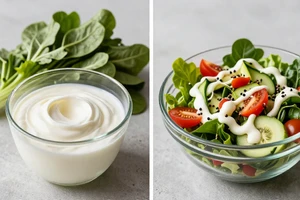
A simple daily swap: replace butter or margarine with olive oil when cooking vegetables, or use avocado as a spread instead of processed dressings.
Include whole grains and legumes for fiber
Dietary fiber is one of the most overlooked tools for managing inflammation. Soluble fiber from oats, barley, lentils, beans, and chickpeas feeds beneficial gut bacteria. These microbes produce short-chain fatty acids that help regulate immune signals and reduce systemic inflammation. Dietitians advise keeping intact whole grains—such as quinoa, brown rice, farro, and oats—as a regular part of meals. Legumes count, too: a lentil soup or chickpea salad delivers fiber along with plant protein and minerals.
Incorporate herbs, spices, and fermented foods
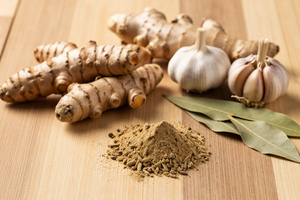
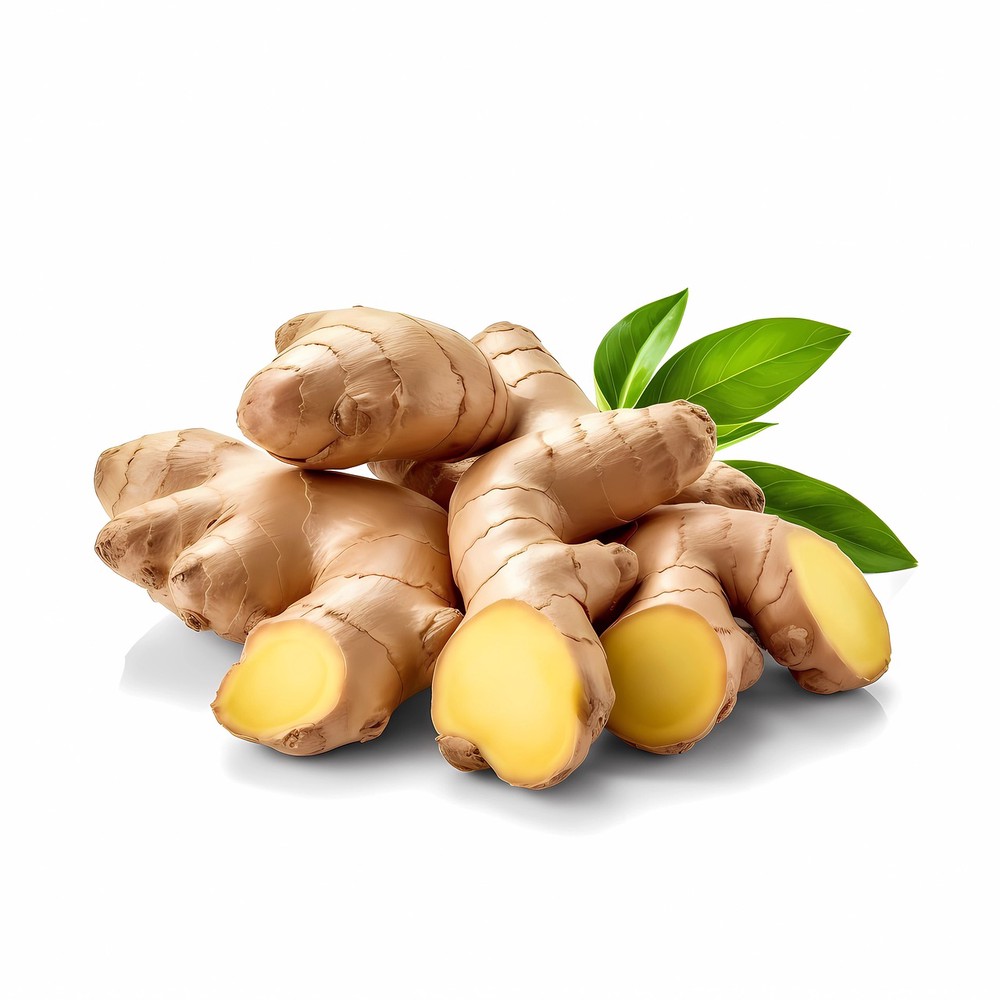
Beyond basic seasoning, herbs and spices contain concentrated anti-inflammatory compounds. Turmeric (paired with a pinch of black pepper for absorption), ginger, cinnamon, garlic, and rosemary are backed by research showing they can help blunt pro-inflammatory pathways. Fermented foods—plain yogurt with live cultures, kefir, kimchi, sauerkraut, miso—support a healthy gut microbiome, which plays a direct role in how the body regulates inflammation.
What to limit, not eliminate
Rather than banning any food permanently, dietitians suggest moderating the ones known to promote inflammation when consumed in excess. Ultra-processed snacks, sugary drinks, refined grains (white bread, pastries), and fried foods can increase inflammatory markers. The goal is to reduce how often these appear, not to treat them as forbidden. Likewise, red meat and processed meats are fine occasionally but should not be the centerpiece of daily meals.
Sustainable habits matter more than perfection
The greatest risk with extreme diets is that they are hard to maintain. Dietitians emphasize consistency over perfection. Eating a variety of anti-inflammatory foods most days, staying hydrated, getting enough sleep, and managing stress all contribute to lowering inflammation. A person who eats a balanced plate with salmon, roasted vegetables, and quinoa four times a week is doing more for their health than someone who follows a strict protocol for two weeks and then quits.
Small, realistic changes—like adding a handful of spinach to your morning smoothie or choosing berries for dessert—build a foundation that can last for years.