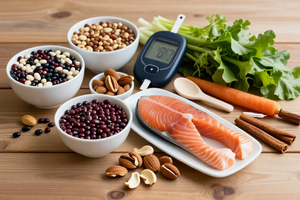

Chronic inflammation doesn't happen overnight, and fighting it doesn't require a complete kitchen overhaul. The most effective changes are the ones you make meal by meal, starting with the first two of the day. Research shows that swapping a few key ingredients at breakfast and lunch can measurably lower inflammatory markers like C-reactive protein (CRP) and interleukin-6.
Instead of focusing on what to cut out, these science-backed swaps focus on what to add. Small shifts in your morning and midday meals can reduce oxidative stress, support gut health, and keep your blood sugar steady—all of which calm inflammation at the cellular level.
Why Breakfast Sets the Tone for Inflammation
The first meal of the day influences your glycemic response for hours. A breakfast high in refined carbs and added sugars triggers a spike in blood glucose and insulin, which can promote inflammatory cytokines. The goal is to build a plate that balances protein, healthy fats, and fiber.
Swap sugary cereal for steel-cut oats with berries
Replacing a bowl of sweetened flakes with slow-cooked oats dramatically cuts the glycemic load. Oats are rich in beta-glucan, a soluble fiber that feeds beneficial gut bacteria and produces short-chain fatty acids with anti-inflammatory effects. Top them with blueberries or raspberries, both packed with anthocyanins—antioxidants that have been shown in clinical trials to reduce markers of inflammation in as little as six weeks.
Swap buttered toast for avocado on whole-grain rye
Standard white toast with butter delivers saturated fat and a rapid carb hit. Swapping to a slice of rye bread topped with a quarter of a ripe avocado introduces monounsaturated fats (oleic acid) and fiber. Oleic acid has been linked to lower levels of CRP, while rye's dense indigestible carbs feed a healthier microbiome.
Lunch Swaps That Fight Afternoon Inflammation
Midday meals often rely on processed meats, white bread, and sugary dressings—a combination that can trigger a post-meal inflammatory response. These swaps keep you full and reduce oxidative load.
Swap deli meat for wild-caught salmon or sardines
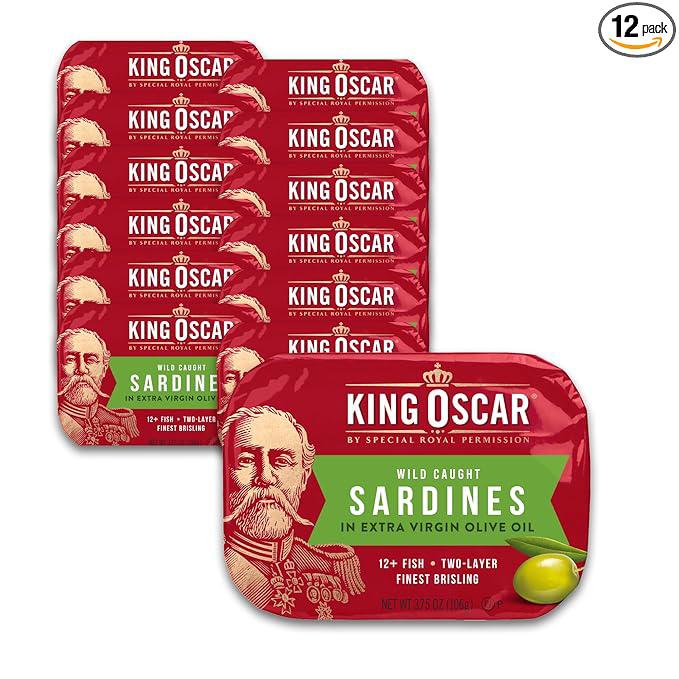
Processed lunch meats contain preservatives like nitrates that may promote inflammation. Canned or fresh wild salmon and sardines provide a concentrated source of omega-3 fatty acids EPA and DHA. Dietary omega-3s are incorporated directly into cell membranes, where they help resolve inflammation by producing specialized pro-resolving mediators.
Swap white rice for cooked leafy greens or cauliflower rice
White rice is a high-glycemic carbohydrate that can spike insulin, and for some people, chronic insulin elevation is a driver of inflammation. Cauliflower rice offers a fraction of the carbs along with glucosinolates—sulfur compounds that activate liver detoxification pathways. Alternatively, a bed of sautéed spinach or Swiss chard provides magnesium, a mineral many people are deficient in and which plays a direct role in controlling inflammatory cytokine production.
Swap creamy ranch dressing for a vinaigrette with turmeric and black pepper
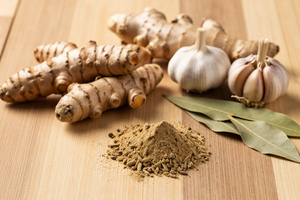
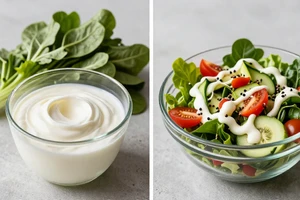
Store-bought creamy dressings are often made with soybean or canola oil, which are high in pro-inflammatory omega-6 fatty acids. A simple vinaigrette made with extra-virgin olive oil, lemon juice, a pinch of turmeric, and a crack of black pepper adds polyphenols from the olive oil and curcumin from the turmeric. Black pepper's piperine increases curcumin absorption by up to 2,000 percent.
One small study found that participants who consumed a turmeric-based dressing daily for four weeks showed a significant drop in inflammatory markers compared to those using a standard dressing.
What the Science Actually Says
These swaps aren't trendy guesses—they're grounded in dietary intervention trials. A 2023 meta-analysis of Mediterranean diet studies, which emphasize many of these same swaps, found a consistent reduction in CRP of 0.5–1.0 mg/L within three months. Another trial looking specifically at replacing refined grains with whole grains showed measurable drops in interleukin-6 and tumor necrosis factor-alpha.
The key takeaway is consistency. A single swap won't fix chronic inflammation. But stacking two or three of these changes across breakfast and lunch, day after day, creates a dietary pattern that systematically lowers the inflammatory load.
Practical Tips to Make These Swaps Stick
- Prep overnight oats with chia seeds, flaxmeal, and frozen berries on Sunday night so you don't reach for cereal on busy mornings.
- Keep canned fish in your desk drawer—wild salmon, sardines, or mackerel mixed with a little Dijon and chopped celery makes a fast, anti-inflammatory lunch.
- Double the greens at lunch. Whether you're ordering takeout or packing your own, make a conscious effort to fill half your plate with colorful, non-starchy vegetables.
- Batch your vinaigrette. Whisk together olive oil, red wine vinegar, turmeric, black pepper, and a touch of mustard. It keeps for a week in the fridge and beats any bottled dressing.
No single meal is a magic bullet, but the cumulative effect of these science-backed swaps is real. Start with one change tomorrow, then add another next week. Your cells will notice.