Our immune system is a quiet, constant guardian, working to identify and respond to potential threats. While no single food or herb is a magic shield, supporting this system through daily choices is a cornerstone of wellness. Ayurveda, the ancient Indian system of medicine, offers a profound perspective on this, viewing health as a balance between the individual and their environment. It suggests that certain everyday herbs and spices, deeply woven into culinary and healing traditions, can help nourish the body's natural defenses from within.
These are not exotic or rare ingredients, but familiar allies from the kitchen and the herbalist's shelf. Their value lies in their integration into a holistic lifestyle—added to meals, brewed into teas, and used with mindful awareness of their warming, cooling, or balancing qualities. Here, we explore five such Ayurvedic staples celebrated for their potential to support immune resilience.
Turmeric: The Golden Protector
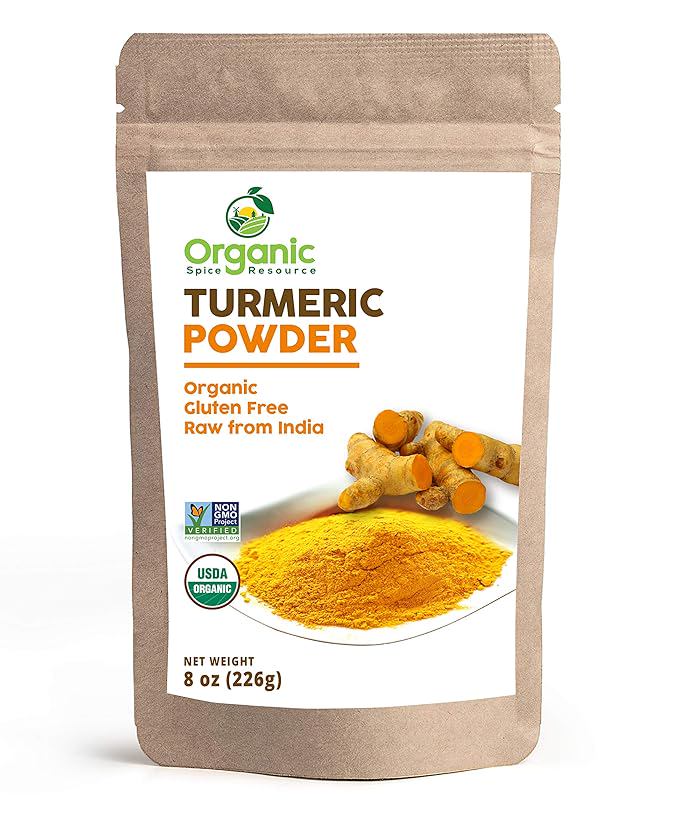
More than just a vibrant kitchen staple, turmeric holds a place of reverence in Ayurveda. Its warm, slightly bitter quality is believed to support the body's natural cleansing processes and reduce occasional inflammation. The active compound curcumin is the focus of much modern interest for its role in modulating immune cell activity.
For centuries, a warm cup of turmeric milk has been a go-to remedy in Indian households, not as a cure, but as a comforting, supportive tonic.
To enhance the body's absorption of curcumin, Ayurveda often pairs turmeric with a pinch of black pepper and a source of healthy fat, like ghee or coconut oil. This simple synergy turns a sprinkle of spice into a more bioavailable form of support.
Garlic: The Pungent Powerhouse
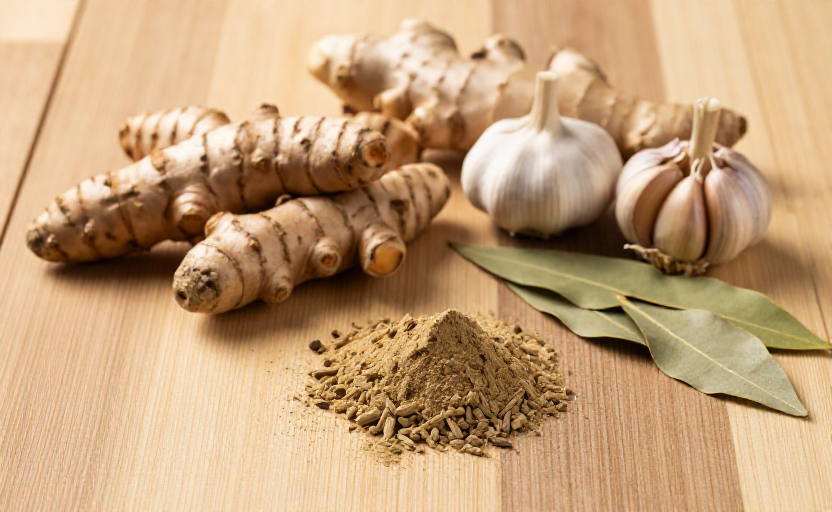
Garlic’s sharp, heating energy is considered a potent cleanser in Ayurvedic thought. It’s traditionally used to support the body's resilience during seasonal changes. Modern science points to compounds like allicin, which forms when garlic is crushed or chopped, for its antimicrobial properties.
Ayurvedic practice often recommends consuming raw or lightly cooked garlic to preserve these compounds. Adding a minced clove to dressings, dips, or finishing cooked dishes can be a simple way to incorporate it. For those sensitive to its pungency, roasting garlic mellows its flavor while retaining many of its supportive benefits.
Ginger: The Warming Stimulant
Fresh ginger, with its sharp, sweet, and heating qualities, is a quintessential Ayurvedic herb for digestion and circulation—two systems deeply linked to immune function. It’s known as a kindler of digestive fire (agni), helping the body process nutrients efficiently and clear metabolic waste.
Its ability to soothe occasional nausea and support comfortable digestion is well-documented. A simple tea made from fresh ginger slices, lemon, and honey is a classic supportive brew. Ginger’s warming nature also makes it a favorite for promoting circulation, helping to move vitality throughout the body.
Fresh vs. Dried
In Ayurveda, fresh ginger root and dried ginger powder (sunthi) are considered to have slightly different properties. Fresh ginger is often preferred for its juiciness and stronger effect on digestion, while dried ginger is hotter and more drying, sometimes used for its intense warming quality.
Ashwagandha: The Adaptogenic Root
Unlike the culinary spices, ashwagandha is a classic adaptogen—an herb used traditionally to help the body manage stress. Since prolonged stress can dampen immune responsiveness, supporting resilience in this way is a key Ayurvedic strategy. The name itself translates to "smell of the horse," hinting at its traditional use for promoting strength and vitality.
Research has explored its influence on immune markers and its potential to modulate the body's stress response, including cortisol levels. In practice, ashwagandha is typically taken as a powdered root, often stirred into warm milk or water. Its earthy, slightly bitter taste is best balanced with warming spices like cinnamon or cardamom.
Giloy: The Immunity Vine
Known as Amrita or "the root of immortality" in Sanskrit texts, giloy is a climbing vine whose stem is prized in Ayurveda. It is considered a broad-spectrum herb for promoting overall wellness, with a particular focus on supporting healthy immune function and purifying the blood.
Giloy is believed to have antioxidant properties and is traditionally used during seasonal transitions to maintain balance. It is most commonly consumed as a juice from the fresh stem, a powder (churna), or in tablet form. Its bitter taste is often masked by combining it with other herbs or a small amount of honey.
Integrating Ayurvedic Wisdom into Daily Life
The true power of these herbs lies not in occasional, high-dose consumption, but in their gentle, consistent inclusion. Think of them as supportive ingredients in the recipe of your daily routine, not as isolated remedies.
- Start with food: Incorporate turmeric, ginger, and garlic generously into your cooking—in soups, stews, stir-fries, and dressings.
- Consider herbal teas: Sip on ginger-turmeric tea or tulsi (holy basil) tea throughout the day for gentle hydration and support.
- Respect your constitution: Ayurveda emphasizes individuality (prakriti). If you have a predominantly fiery (pitta) constitution, very heating herbs like dry ginger or raw garlic in excess may not be suitable. Listening to your body's response is key.
- Focus on foundation: Herbs work best when paired with adequate sleep, managed stress, regular movement, and a whole-foods diet. They are partners in wellness, not replacements for these pillars.
Approaching these herbs with respect for their traditional context allows us to tap into an ancient, holistic model of health—one that supports the immune system by nurturing the whole person.