Managing blood sugar isn't just about what you avoid; it's powerfully influenced by the foods you choose to include. When you focus on nutrient-dense options that slow digestion and temper the release of glucose into your bloodstream, you support steady energy, curb cravings, and promote long-term metabolic health. Nutritionists consistently point to a core group of foods that excel at this stabilizing task, making them foundational for anyone looking to support balanced blood sugar levels.
What makes a food good for blood sugar stability?
Before diving into the list, it helps to understand the principles at play. Foods that help stabilize blood sugar typically share a few key characteristics: they are rich in fiber, contain high-quality protein or healthy fats, and have a low glycemic index. Fiber, especially soluble fiber, forms a gel-like substance in the gut that slows the absorption of sugar. Protein and fats also slow gastric emptying, leading to a more gradual rise in blood glucose after a meal. Together, these nutrients prevent the sharp spikes and subsequent crashes that can leave you feeling tired and hungry soon after eating.
1. Legumes (Beans, Lentils, and Chickpeas)
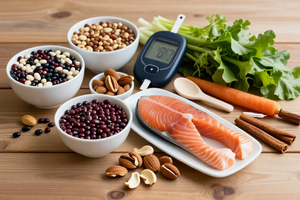
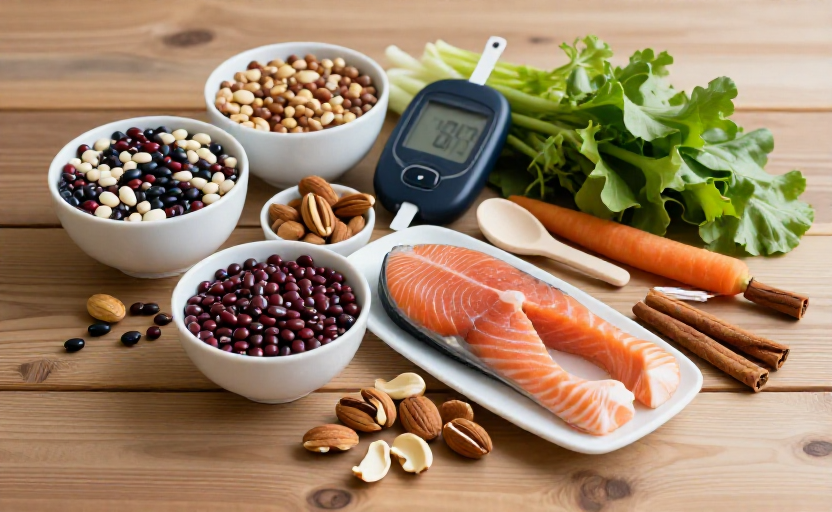
Legumes are a triple threat for blood sugar management. They are packed with both soluble and insoluble fiber, contain a significant amount of plant-based protein, and are complex carbohydrates that digest slowly. This combination is exceptionally effective at producing a gentle, sustained release of energy.
Adding a half-cup of beans or lentils to a meal can significantly blunt the blood sugar response to the entire plate.
Their versatility makes them easy to incorporate—think lentil soup, black bean tacos, or chickpeas roasted for a crunchy salad topping.
2. Non-Starchy Vegetables
Vegetables like leafy greens, broccoli, cauliflower, bell peppers, and zucchini are incredibly low in digestible carbohydrates and calories but high in volume, fiber, and essential nutrients. They add bulk to meals without spiking blood sugar, helping you feel full and satisfied.
Nutritionists often recommend filling half your plate with these vegetables as a simple, visual guide to creating a blood sugar-friendly meal. Their high water and fiber content also supports overall digestive health.
3. Nuts and Seeds
A small handful of nuts or seeds provides a powerful dose of healthy fats, protein, and fiber. Almonds, walnuts, chia seeds, and flaxseeds are particularly excellent choices. The fat and protein content slows down the digestion of any carbohydrates eaten alongside them.
Studies have shown that consuming nuts, especially with a carbohydrate-rich meal, can improve post-meal blood sugar control. Sprinkle them on yogurt, add them to salads, or enjoy them as a satisfying snack.
4. Whole, Intact Grains
Not all carbohydrates are created equal. Unlike refined grains (white bread, white rice), whole grains like oats, quinoa, farro, and barley retain their fiber-rich bran and germ. This fiber is key to moderating the body's insulin response.
Oats, specifically, are rich in a soluble fiber called beta-glucan, which has been shown to improve insulin sensitivity and lower blood sugar responses after meals.
Choose steel-cut or old-fashioned oats over instant, and opt for quinoa or barley as a hearty side dish.
5. Fatty Fish
While not a source of carbohydrates, fatty fish like salmon, mackerel, and sardines support blood sugar stability through their high content of omega-3 fatty acids. Chronic inflammation is linked to insulin resistance, and the anti-inflammatory properties of omega-3s can help improve the body's ability to use insulin effectively.
Pairing a serving of fatty fish with a complex carbohydrate, like a sweet potato or quinoa, creates a balanced meal that supports sustained energy.
6. Cinnamon
This common spice deserves a special mention. While not a food group, cinnamon contains compounds that may mimic insulin and increase glucose transport into cells. Several studies suggest that cinnamon can help lower fasting blood sugar and improve markers of insulin sensitivity.
Aim for Ceylon cinnamon when possible, and sprinkle it into your coffee, oatmeal, or yogurt. Remember, it's a supportive tool, not a substitute for a balanced diet.
How to Build a Blood Sugar-Stabilizing Plate
Knowing which foods to choose is one thing; putting them together is another. A practical approach is the "plate method":
- Half your plate with non-starchy vegetables.
- A quarter of your plate with a lean protein source (like fish, legumes, or poultry).
- A quarter of your plate with a high-fiber carbohydrate (like legumes or a whole, intact grain).
- Include a source of healthy fat (like avocado, nuts, or olive oil) to complete the meal.
This framework naturally combines the stabilizing foods listed above, helping you manage portions and nutrient balance without complex counting.
Incorporating these six food categories into your daily eating pattern is a sustainable, food-first strategy for promoting blood sugar stability. It’s about creating a pattern of eating that nourishes your body consistently, providing steady fuel and protecting your metabolic health over the long term.