Choosing a low-carb approach is a common strategy for managing weight, and for good reason. It can help stabilize blood sugar and shift the body's fuel source. Yet, the path isn't as simple as just cutting bread and pasta. A significant pitfall lies in what we replace them with. Many foods marketed as low-carb or keto-friendly are calorie-dense and can quietly undermine your efforts, leading to weight gain despite your best intentions.
The issue often isn't the carbohydrate content itself, but the overall nutritional profile and portion size of these alternatives. Understanding these hidden calorie sources can help you make more informed choices that truly support your wellness goals.
Coconut Oil: The Calorie-Dense Superfood
Coconut oil has been celebrated for its potential health properties, from its medium-chain triglycerides (MCTs) to its use in cooking. However, its status as a health food can mask a basic nutritional fact: it is pure fat, and fat is calorie-dense. A single tablespoon contains about 120 calories.
While it may have a place in a balanced diet, using it liberally—adding it to coffee, drizzling it over meals, or cooking with it in large amounts—can quickly add hundreds of extra calories to your daily intake. These calories, if not accounted for, contribute directly to weight gain, regardless of the oil's origin.
Think of coconut oil as a concentrated flavoring, not a free pass. A little goes a long way.
The Salad Trap: When Dressings Derail You
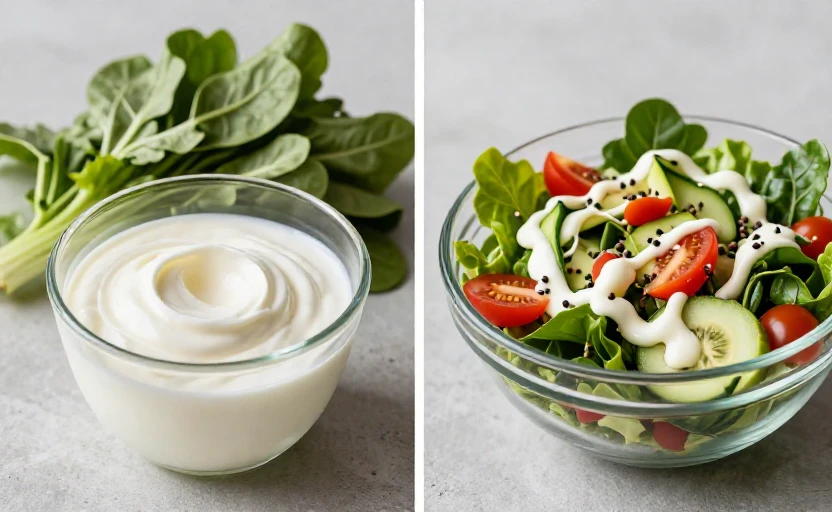
A bowl of leafy greens and fresh vegetables is a cornerstone of healthy eating. The problem begins when we drown that nutrient-rich base in dressings. Many creamy dressings, like ranch, Caesar, or honey mustard, are often high in added sugars, unhealthy fats, and sodium.
Even “fat-free” or “light” versions can be problematic, as they frequently compensate for flavor with added sugars or artificial ingredients. A salad that starts as a 150-calorie meal can easily become a 500- to 800-calorie dish with a heavy pour of dressing, turning a weight-loss ally into a hidden source of excess calories and processed ingredients.
Bulletproof Coffee: A High-Calorie Drink in Disguise
Popularized within ketogenic circles, bulletproof coffee blends coffee with butter and MCT oil. The idea is to promote satiety and energy. Nutritionally, however, you are essentially drinking a fat-rich beverage that can contain 200 to 500 calories per cup.
While it might help some people skip breakfast, for others, it becomes an additional high-calorie item on top of their regular meals. This significant calorie load, primarily from fat, can easily tip the energy balance toward weight gain. Furthermore, consistently replacing whole foods with liquid fat calories may lead to missing out on essential fiber, vitamins, and minerals.
Processed Meats: The Protein with a Catch
Lean proteins like chicken breast and turkey are excellent low-carb choices. The landscape changes with processed versions like deli meats, sausages, bacon, and pre-marinated or packaged meats. These products are often preserved with high amounts of sodium and may contain added sugars, fillers, and unhealthy saturated fats.
Studies suggest that high consumption of processed meats is linked to weight gain and other health concerns. The high sodium content can also cause water retention, leading to temporary weight gain and bloating, which can be discouraging even if fat loss is occurring.
Flavored Greek Yogurt: Sugar in a Protein Package
Plain Greek yogurt is a fantastic source of protein and probiotics. The flavored varieties, however, are a different story. To make them taste like fruit pie or key lime, manufacturers often add substantial amounts of sugar or artificial sweeteners.
A single serving of some flavored Greek yogurts can contain 15 grams or more of added sugar—that's nearly four teaspoons. This transforms a potentially healthy, low-carb snack into a sugar-laden dessert that can spike blood sugar and contribute to excess calorie consumption. Always check the label; the “total sugars” line tells the real story.
Making Smarter Low-Carb Choices
The goal isn't to fear these foods, but to approach them with awareness. Here’s how to navigate these common pitfalls:
- Read labels meticulously. Look beyond the “low-carb” or “keto” banner. Check for added sugars, total calories, and sodium content in processed items.
- Measure high-calorie additions. Use a spoon for oils, dressings, and nut butters instead of pouring freely. You might be using two or three servings without realizing it.
- Prioritize whole foods. Build your meals around unprocessed proteins, non-starchy vegetables, healthy fats in their natural form (like avocados or nuts), and high-fiber, complex carbs when you include them.
- Listen to your hunger cues. Just because a food is technically low-carb doesn't mean you should eat unlimited quantities. Portion control remains a key principle for weight management.
By looking past the marketing and understanding the complete nutritional picture, you can build a sustainable, low-carb approach that truly supports your health and weight goals without hidden setbacks.