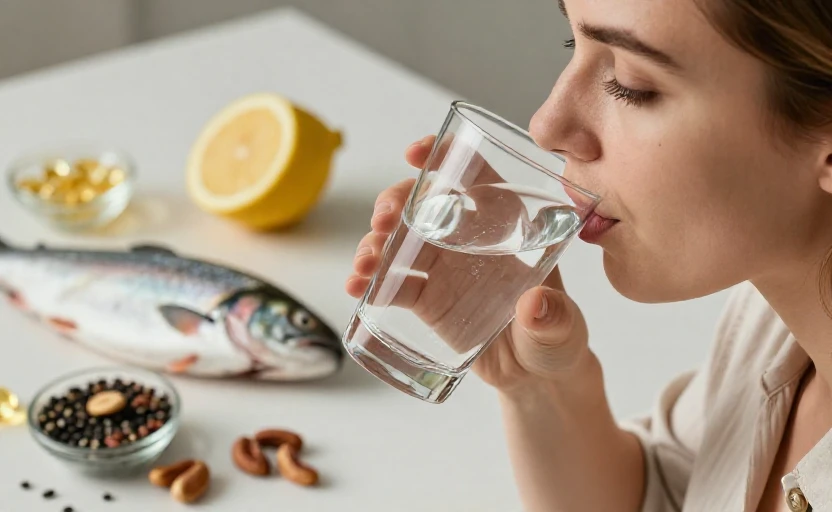
You likely know that essential fatty acids, like omega-3s and omega-6s, are crucial for your health. They support brain function, reduce inflammation, and help build healthy cell membranes. But what you might not realize is that your body’s ability to use these powerful nutrients effectively is deeply intertwined with one simple, everyday factor: hydration.
Think of water as the essential transport and reaction medium for every process in your body. Without adequate fluid, the intricate steps of breaking down, absorbing, and utilizing fats become sluggish. Proper hydration ensures that the enzymes that metabolize fats work optimally, that bile (which emulsifies fats for absorption) flows freely, and that these valuable fatty acids are efficiently delivered to the cells that need them. Here are six practical hydration tips designed to support your body’s use of these essential nutrients.
Why Hydration Matters for Fat Metabolism
Fat metabolism isn't just about burning fat for energy; it's about processing all the fats you consume. Essential fatty acids are, as the name implies, essential—your body can't make them, so you must get them from food. Once ingested, they rely on a well-hydrated system to be put to work.
Water is a key component of bile, a fluid produced by your liver and stored in your gallbladder. Bile acts like a detergent, breaking down large fat globules into tiny droplets in a process called emulsification. This dramatically increases the surface area of the fat, allowing digestive enzymes to access and break it down effectively. If you're dehydrated, bile can become thicker and less fluid, potentially impairing this first critical step of fat digestion.
Simply put, good hydration keeps the pathways for fat processing fluid and functional.
1. Start Your Day with a Glass of Water
After a night's sleep, your body is in a naturally fasted and mildly dehydrated state. Drinking a glass of water first thing in the morning helps kickstart your digestive system. It stimulates the production of gastric juices and primes your liver and gallbladder, gently signaling that it's time to prepare for the day's nutrients. This sets the stage for efficient digestion, whether your first meal contains avocado, chia seeds, or fish.
Make it easy: keep a full glass or bottle of water on your nightstand. Before you reach for your phone, reach for that water.
2. Sip Consistently, Don't Guzzle
Your body absorbs and uses water best when it's provided steadily throughout the day. Chugging a large volume of water at once can overwhelm your system, leading to quick elimination through urine without optimal cellular absorption. Consistent sipping maintains a stable level of hydration, supporting the constant, behind-the-scenes work of metabolizing fats and other nutrients.
Consider carrying a reusable water bottle as a visual reminder. Aim to take a few sips every 30-60 minutes, rather than waiting for the signal of thirst, which is already a sign of early dehydration.
3. Pair Fatty Meals with an Extra Glass
When you sit down to a meal rich in healthy fats—like a salmon fillet, a salad with olive oil dressing, or a handful of nuts—make a conscious effort to drink a full glass of water alongside it. This provides direct, localized support for the digestive process. The extra fluid can aid in the production and release of bile and help move the digested fats along the gastrointestinal tract for absorption.
This isn't about diluting digestive juices; it's about providing the necessary aqueous environment for them to work effectively.
4. Choose Hydrating Foods High in Healthy Fats
Boost your hydration and fatty acid intake simultaneously by focusing on whole foods that offer both. Many foods rich in essential fatty acids also have high water content.
- Cucumber or celery with walnut butter: The crunchy vegetables provide water and fiber, while the walnuts offer omega-3 ALA.
- Water-rich fish like salmon or trout: These are excellent sources of EPA and DHA omega-3s.
- A smoothie with chia seeds and spinach: Chia seeds provide omega-3s and absorb liquid, while spinach is over 90% water.
This strategy creates a synergistic effect, nourishing your body with essential fats while supporting the hydration needed to utilize them.
5. Monitor Your Hydration Cues
Thirst is an obvious signal, but it's a late one. More subtle cues can indicate you need more fluids to support all metabolic processes, including fat use. Pay attention to:
- The color of your urine (aim for pale straw yellow).
- Feelings of low energy or brain fog in the afternoon.
- Occasional dry skin or lips.
If you notice these signs, increase your fluid intake gradually. Herbal teas or infused water with lemon or mint can be appealing alternatives to plain water.
6. Limit Dehydrating Beverages Around Meals
Some beverages can have a net dehydrating effect on the body, primarily due to their diuretic properties. While moderate consumption is fine, it's wise to be mindful of timing. If you enjoy coffee or alcoholic drinks, try not to have them as your primary beverage during a meal focused on healthy fats.
Instead, prioritize water or herbal tea with your meal, and enjoy your coffee or other beverage separately. This ensures the fluids accompanying your meal are actively supporting, not potentially hindering, the hydration needed for optimal digestion and nutrient use.
Hydration is more than just quenching thirst; it's a foundational practice that enables every nutrient in your diet to work its best. By drinking mindfully and consistently, you’re not just hydrating your cells—you’re ensuring the essential fatty acids you consume can effectively support your brain, heart, and overall well-being.