
Walk through any grocery store or scroll through social media for five minutes, and you will run into the word "inflammatory" attached to everything from oat milk to eggs. It has become a catchall label that sounds alarming but often lacks context. The real question for anyone trying to eat well is not whether a single food is "bad," but how to identify which foods truly promote inflammation in the body and which ones are being unfairly blamed.
Inflammation itself is not the enemy. It is the body's natural response to injury or infection. Problems arise when the immune system stays switched on, creating a low-grade, chronic inflammatory state that is linked to heart disease, type 2 diabetes, arthritis, and other conditions. What you eat can either fuel that fire or help put it out. Learning to separate the genuinely inflammatory foods from the misunderstood ones is a skill worth developing.
What Does "Inflammatory Food" Actually Mean?
When nutrition scientists call a food inflammatory, they usually mean one of two things. Either the food contains compounds that directly trigger an immune response — like certain refined oils or high levels of added sugar — or it displaces anti-inflammatory foods in your diet, weakening your body's natural defenses over time. Most of the confusion comes from conflating a true inflammatory reaction, such as gluten triggering a flare in someone with celiac disease, with a food's general effect on the body's inflammatory pathways.
A practical way to think about it is to look at how the food behaves inside your body. Highly processed foods that spike blood sugar, increase oxidative stress, or alter gut bacteria in an unfavorable direction tend to raise inflammatory markers like C-reactive protein. Whole foods that are rich in fiber, antioxidants, and healthy fats tend to lower them. That is the simple framework, but the details matter.
The Most Common Culprits (and Why They Get Blamed)
Refined Carbohydrates and Added Sugars
White bread, pastries, sugary cereals, and sweetened beverages are among the most consistent offenders. When you eat a large dose of rapidly absorbed sugar or refined starch, your blood glucose spikes. This triggers the release of advanced glycation end products (AGEs) and inflammatory cytokines. Over time, frequent spikes can lead to insulin resistance, which itself is an inflammatory condition. The evidence here is strong and consistent across population studies.
Industrial Seed Oils
Vegetable oils like soybean, corn, sunflower, and canola oils are heavily used in ultra-processed foods. They are high in omega-6 fatty acids, which are essential but become problematic when the ratio of omega-6 to omega-3 in your diet tips too far in one direction. The concern is less about the oils themselves in small amounts and more about the sheer volume present in packaged snacks, fried foods, and sauces. There is no need to purge them entirely, but reducing reliance on them is a smart move.
Processed Meats
Bacon, sausage, hot dogs, and deli meats are consistently linked to higher levels of inflammatory markers. This is partly due to their high content of saturated fat, sodium, and preservatives like nitrates, which can promote oxidative stress. The World Health Organization classifies processed meat as a Group 1 carcinogen, and chronic inflammation is one of the mechanisms behind that classification. Occasional consumption is not a crisis, but daily intake is worth reconsidering.
Alcohol in Excess
Moderate alcohol consumption — particularly red wine — has been studied for potential anti-inflammatory effects, but the line between beneficial and harmful is thin. When alcohol intake exceeds one to two drinks per day, it can increase intestinal permeability (often called leaky gut), allowing bacterial fragments to enter the bloodstream and trigger a systemic inflammatory response. For many people, reducing frequency or quantity is more impactful than eliminating alcohol entirely.
Why Some "Inflammatory" Labels Are Misleading
The internet has declared many foods inflammatory based on weak or misinterpreted evidence. Dairy is a classic example. For most people without a milk allergy or lactose intolerance, full-fat yogurt and cheese do not cause inflammation. In fact, fermented dairy products may reduce it. Nightshade vegetables (tomatoes, peppers, eggplant) are often blamed for arthritis flares, but large studies have not confirmed a general inflammatory effect — individual sensitivity exists but is not universal.
Gluten is another case. Unless you have celiac disease or a diagnosed non-celiac gluten sensitivity, gluten does not cause systemic inflammation. Gluten-free products, which often replace wheat with refined starches, may actually be worse for your inflammatory profile because they lack fiber and spike blood sugar.
A Practical Way to Evaluate the Foods in Your Kitchen
Instead of memorizing good and bad lists, try this approach. Look at any packaged food and ask three questions. First, does it contain added sugar in the first few ingredients? Second, does it have more than five ingredients, many of which you do not recognize? Third, does it come with a health claim on the box that feels too good to be true? If the answer is yes to two or more of those, it is likely contributing to inflammation more than helping.
For whole foods, the rule is simpler. Foods that are brightly colored, fibrous, or come from a plant are almost always anti-inflammatory. Foods that are shelf-stable for months without refrigeration and taste engineered to be hyper-palatable are almost always suspect. That is not a rigid rule, but it works surprisingly well.
Building an Anti-Inflammatory Pattern (Without Obsession)
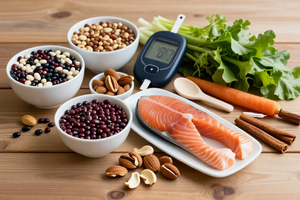
Focusing on single foods can lead to unnecessary anxiety and restriction. The research consistently supports a dietary pattern — not individual superfoods — as the most effective anti-inflammatory strategy. The Mediterranean diet is the most studied example. It emphasizes vegetables, fruits, legumes, whole grains, fish, olive oil, and modest amounts of dairy and red wine.
You do not need to follow it perfectly. Even approximating this pattern by adding more vegetables to dinner, swapping butter for olive oil, and choosing fish once a week has been shown to lower inflammatory markers. The goal is not to eliminate every potentially inflammatory food; it is to shift the overall balance so that anti-inflammatory foods dominate your plate most of the time.
A simple gut check: If you can picture the plant, animal, or grain your meal came from, it is probably fine. If it arrived in a bag with a cartoon mascot, read the ingredients closely.
When to Pay Closer Attention
If you already have a diagnosed inflammatory condition — such as rheumatoid arthritis, psoriasis, or inflammatory bowel disease — you may need to be more deliberate. In those cases, working with a registered dietitian who understands your specific triggers is far more effective than following generic advice. Food sensitivity tests sold online are not reliable for diagnosing inflammation and often lead to unnecessary eliminations.
The overwhelming majority of people will benefit more from adding anti-inflammatory foods than from subtracting the occasional treat. If you eat vegetables at most meals, prioritize fiber, and keep added sugar to around 25 grams per day (the American Heart Association's guideline for women), you are already doing more for your inflammatory health than most fad diets promise.