
You might assume that loading your plate with plants is always a win for your health. And for many reasons, it is. But if you’re following a vegan diet, there’s a common oversight that could actually be working against you — quietly fueling inflammation and compromising your bones. It’s not about eating vegetables; it’s about what you aren’t eating.
The mistake is this: assuming a plant-based diet automatically provides all the nutrients your body needs to stay strong and balanced. In reality, several key nutrients that help regulate inflammation and support bone density are far more abundant in animal foods. When you cut those out without a deliberate plan to replace them, your meals can become more inflammatory than you’d expect.
Why a Vegan Diet Can Become Inflammatory
Research from the German Federal Institute for Risk Assessment compared bone health in 36 vegans and 36 people on a mixed diet using ultrasound measurements of the heel bone. The vegans had lower readings, indicating poorer bone health. The scientists then looked at 28 nutritional parameters and identified 12 biomarkers — including amino acids like lysine and leucine, calcium, omega fatty acids, iodine, magnesium, and vitamins A and B — that were significantly lower in the vegan group.
These biomarkers aren’t just about strong bones — they also play direct roles in controlling inflammation throughout the body. When you’re low on these nutrients, your body’s natural repair processes slow down, and chronic low-grade inflammation can creep in.
Another study from Oxford University, published in BMC Medicine, found that vegans had a 43% higher risk of fractures anywhere in the body compared to meat-eaters. The researchers linked this to lower intakes of dietary protein, calcium, and overall body mass index — all known risk factors for bone weakness and inflammatory stress.
The Real Culprits: Protein and Calcium Gaps
Protein and calcium are the two heavy lifters for bone structure and anti-inflammatory signaling. Protein helps your body absorb calcium, and calcium is a mineral that your skeleton and your cells both need to regulate inflammation. But here’s the catch: plant-based proteins often come with less calcium absorption efficiency, and many popular vegan staples — like leafy greens — contain oxalates that bind calcium and reduce how much you actually take in.
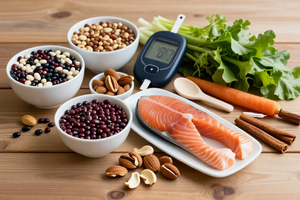
A simple rule of thumb: if your meals are built around grains, legumes, and vegetables but you’re not actively adding calcium-rich plant milks, tofu set with calcium, or a reliable source of vitamin D, you’re probably falling short on the nutrients that keep inflammation in check.
How to Shift Your Plate Back to Anti-Inflammatory
Correcting this mistake doesn’t mean abandoning a vegan diet. It means being intentional about what you add. Here’s where to focus:
1. Prioritize Protein Diversity
Adequate protein intake boosts calcium absorption and supports muscle mass, which protects bones. Instead of relying only on beans and lentils, mix in protein-rich seeds like hemp, pumpkin, and peas. These provide a broader amino acid profile that your body uses to repair tissues and manage inflammation.
2. Choose Calcium-Fortified Foods
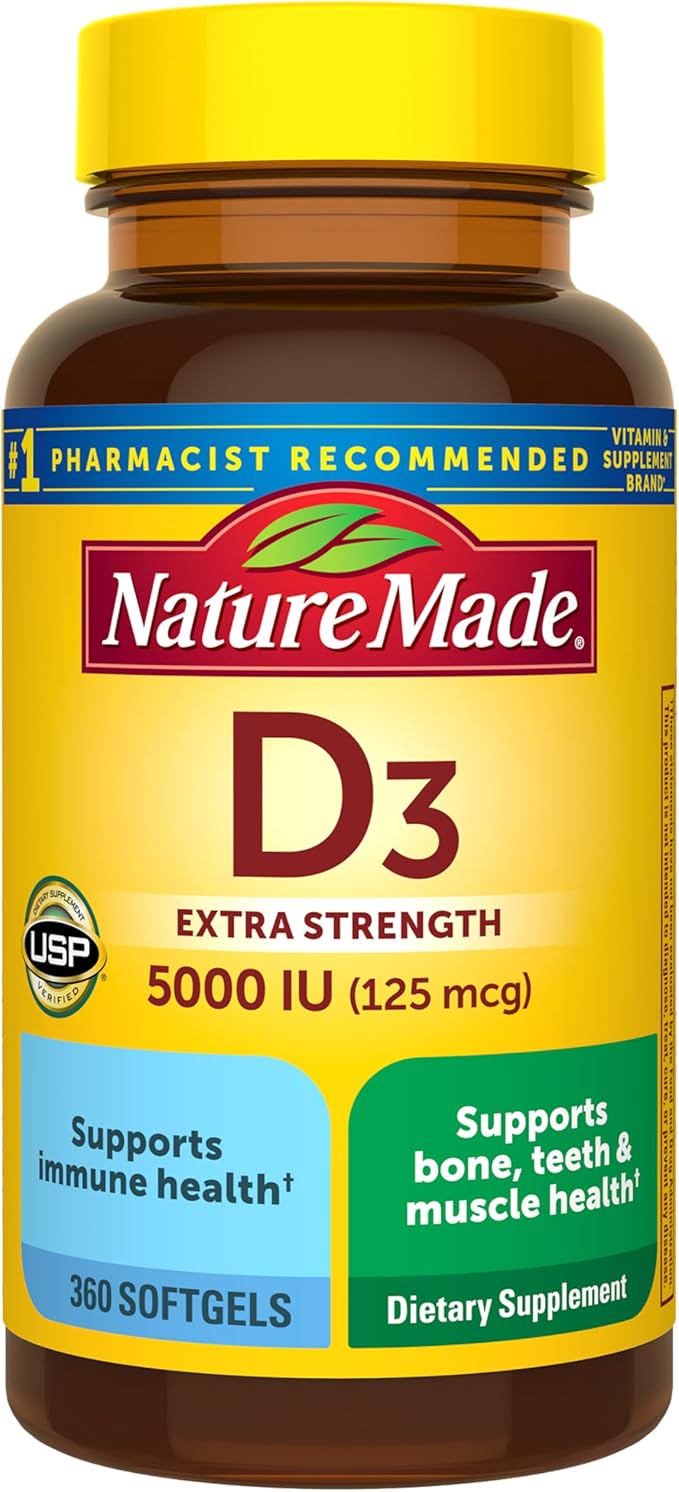
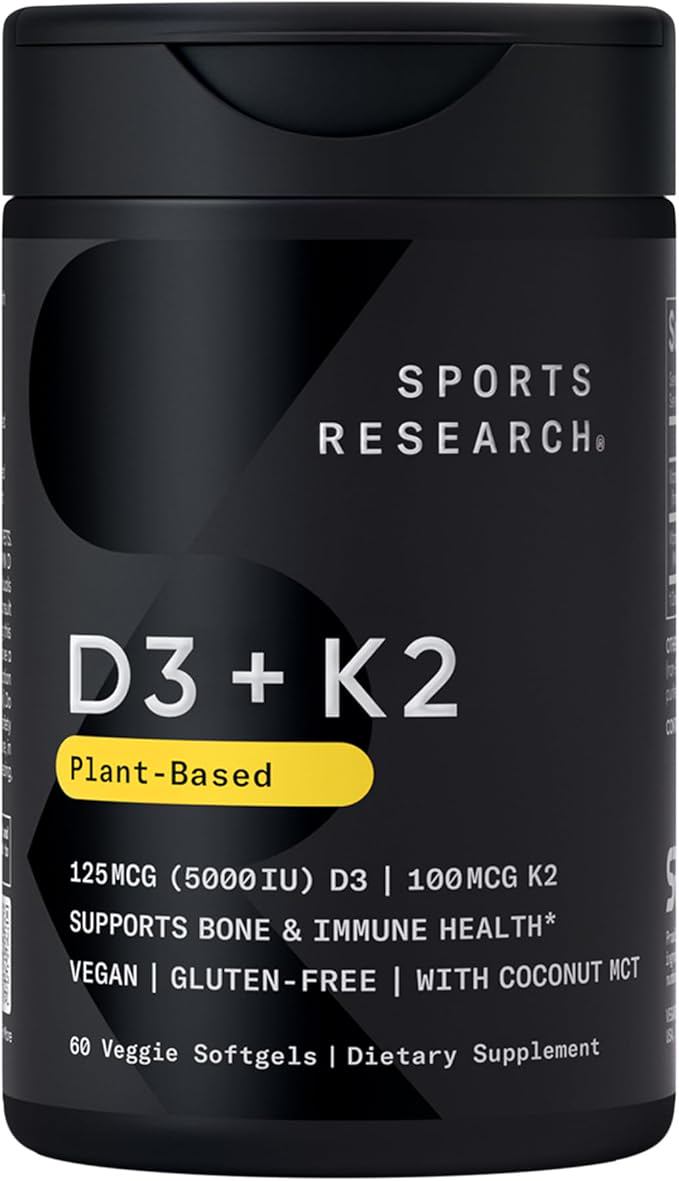
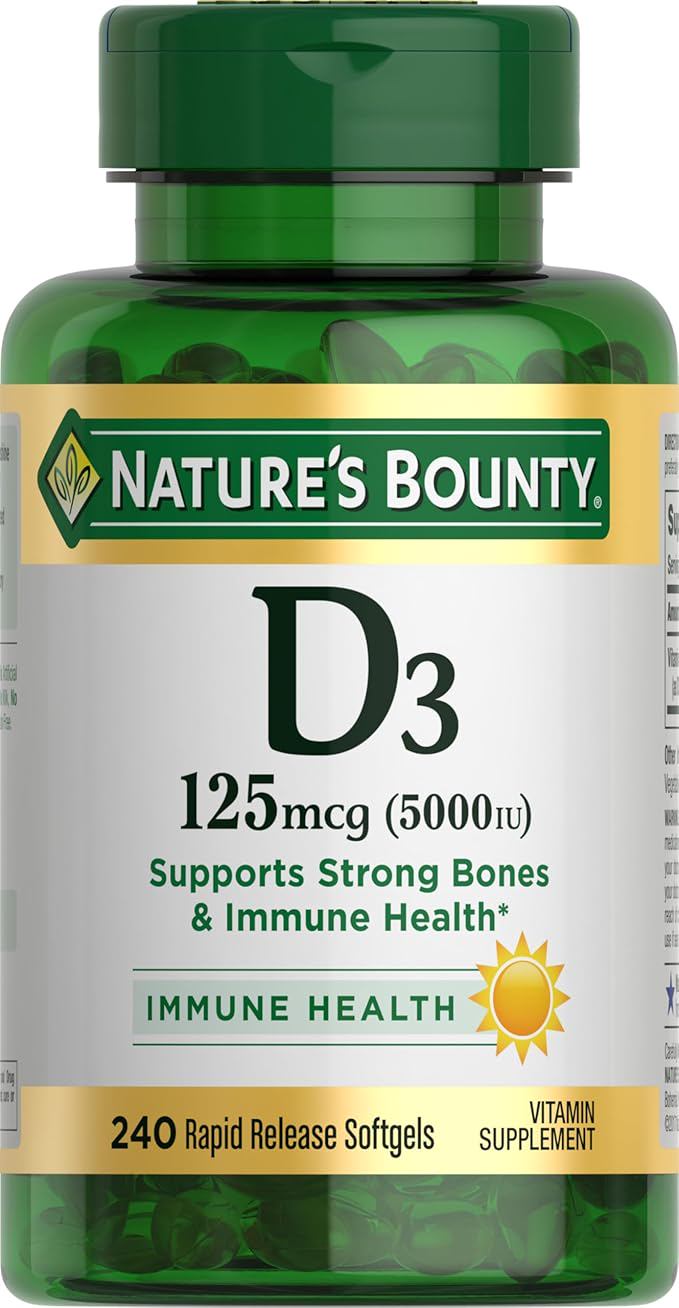
Since natural plant sources of calcium are often low or poorly absorbed, look for fortified options. Plant milks (soy, almond, oat), calcium-set tofu, and fortified orange juice can make a real difference. Pair them with a source of vitamin D — either from sunlight or from mushrooms and fortified products — because vitamin D is the key that unlocks calcium absorption.
3. Load Up on Whole Fruits and Vegetables
This part you’re probably already doing, but the goal here is variety. Cabbage, broccoli, spinach, potatoes, papaya, oranges, red pepper, strawberries, sprouts, and pineapple each bring different vitamins, minerals, and antioxidants that directly combat oxidative stress and inflammation. They also supply magnesium, zinc, and phosphorus — all co-factors for bone health.
4. Move Your Body Daily
Exercise isn’t just about muscles. Weight-bearing activities — walking, jogging, resistance training — signal your bones to retain calcium and grow denser. Physical activity also lowers systemic inflammation on its own, independent of diet.
The Big Picture
Going vegan can be a powerful choice for health, ethics, and the planet — but it’s not immune to blind spots. The simple mistake of overlooking protein, calcium, and vitamin D gaps can quietly push your body into a more inflammatory state. The fix isn’t complicated: diversify your proteins, seek out fortified foods, and pair your plants with smart additions. Your bones and your immune system will thank you.