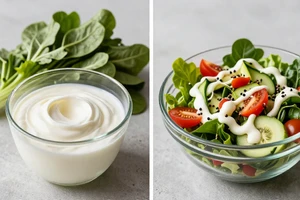
For years, nightshade vegetables have had a bad reputation. If you have autoimmune disease or joint pain, you have probably been told to avoid tomatoes, peppers, eggplants, and potatoes. The claim is that these plants contain compounds that trigger inflammation and make pain worse. But is there real science behind this warning, or is it just another food myth that refuses to die? Let's look at what the evidence actually says.
What Are Nightshade Vegetables, Exactly?
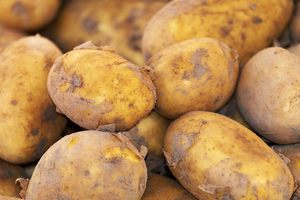
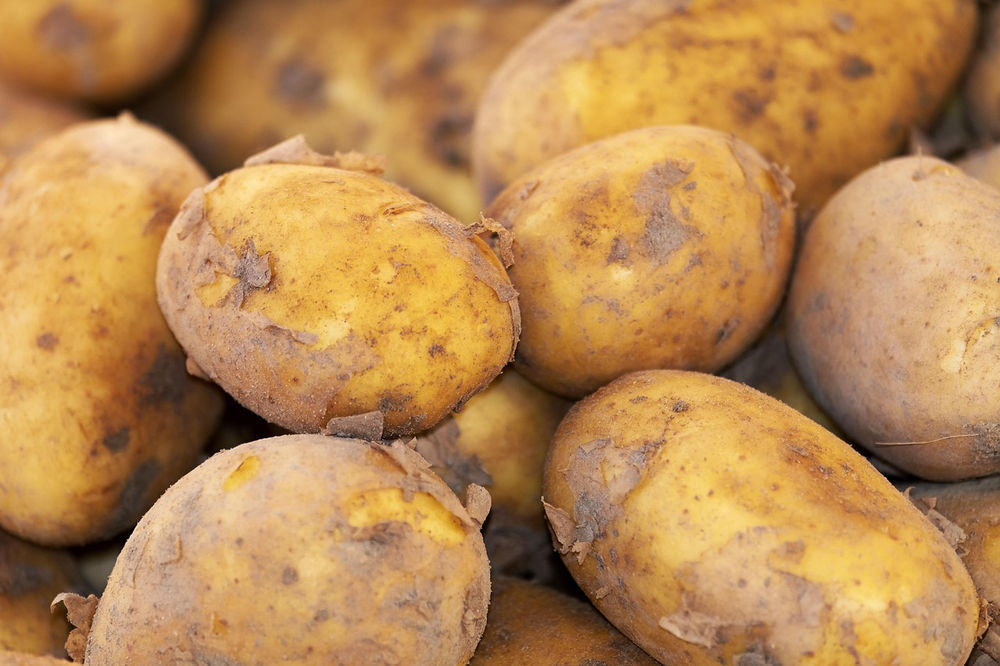
Nightshades belong to the Solanaceae plant family. This group includes many common foods: tomatoes, bell peppers, chili peppers, eggplants, white potatoes (but not sweet potatoes), and spices like cayenne and paprika. These plants naturally produce alkaloid compounds, such as solanine, as a defense mechanism against pests. It is this alkaloid content that has raised concern among some wellness influencers and anti-inflammatory diet proponents.
The idea that nightshades cause inflammation stems from the fact that, in very large quantities, these alkaloids can be toxic. However, the amount found in typical food servings is far below any harmful threshold. In fact, most people eat nightshades every day without noticing any issues.
What Does the Science Say About Nightshades and Inflammation?
When researchers have looked at this question, the data does not support the claim that nightshades are inherently inflammatory. On the contrary, many nightshades are rich in antioxidants, vitamins, and fiber — nutrients that are known to reduce inflammation. For example, tomatoes are a major source of lycopene, a powerful antioxidant linked to lower levels of inflammatory markers. Bell peppers provide high amounts of vitamin C, and eggplant delivers fiber and polyphenols.
A few small studies have looked at whether removing nightshades helps people with arthritis or autoimmune conditions. The results have been mixed and largely anecdotal. Some people report feeling better after cutting out these foods, but that improvement may be due to replacing them with more nutrient-dense options or reducing processed foods in general — not because nightshades themselves are harmful. No high-quality randomized controlled trial has shown that nightshades cause systemic inflammation in the general population.
Bottom line: For the vast majority of people, nightshades are a safe and healthful part of a balanced diet. They do not cause inflammation in the body.
Could Nightshades Be a Problem for Some People?
Individual food sensitivities do exist. A small subset of people may experience digestive discomfort or joint pain after eating nightshades. This is not the same as a true allergy, and it is not caused by inflammation in the classic sense. Instead, it may relate to how certain alkaloids interact with the gut in sensitive individuals. If you suspect nightshades bother you, it is reasonable to try an elimination diet for two to four weeks, then reintroduce them while tracking symptoms. But this is a personal experiment, not a universal rule.
Why the Myth Persists
The nightshade myth has been kept alive largely by wellness blogs and diet books that rely on anecdote rather than data. Additionally, some alternative health practitioners point to the fact that nightshades contain lectins, another group of compounds sometimes linked to inflammation. However, lectins are present in many plant foods, including legumes and whole grains, and are largely neutralized by cooking. The fear around them is generally overblown.
There is also a logical fallacy at play: people with inflammatory conditions often change many aspects of their diet at once. If they cut out nightshades and also start eating more vegetables, fish, and whole foods, they may feel better — and then mistakenly attribute the improvement to avoiding nightshades specifically.
Should You Avoid Nightshades for Health Reasons?
Unless you have a confirmed sensitivity, there is no reason to avoid nightshades. In fact, doing so could mean missing out on valuable nutrients. Public health guidelines consistently recommend eating a wide variety of colorful vegetables, and nightshades are a big part of that color spectrum. A diet rich in tomatoes, peppers, and eggplants is associated with lower risks of heart disease, certain cancers, and age-related decline.
If you have a diagnosed autoimmune condition like rheumatoid arthritis or inflammatory bowel disease, work with a registered dietitian before making major dietary changes. They can help you determine if a targeted elimination is appropriate, rather than cutting out an entire food group without cause.
The takeaway is straightforward: nightshade vegetables are not inflammatory for the general population. They are nutrient-dense foods that support health. The myth that they cause inflammation has been driven by anecdote and misunderstanding, not by robust science. If you enjoy tomatoes on your salad, peppers in your stir-fry, or eggplant in your curry, feel free to eat them without worry. As always, listen to your body — but trust the evidence.