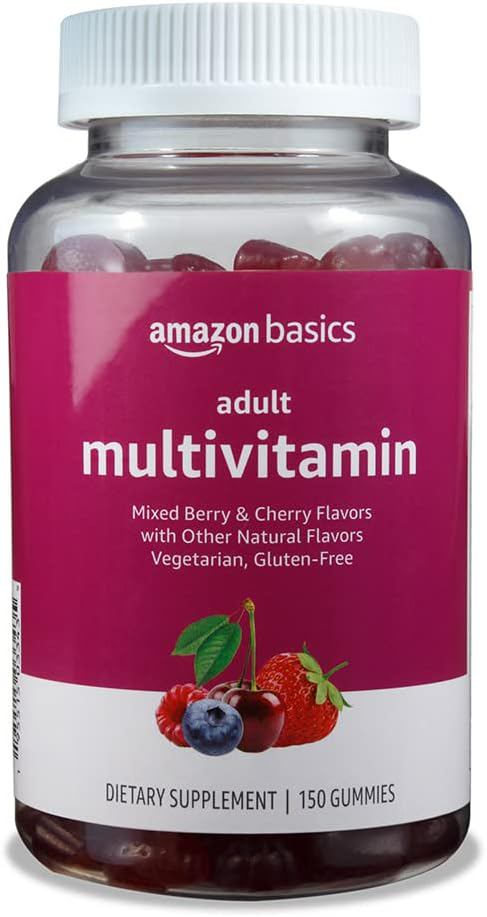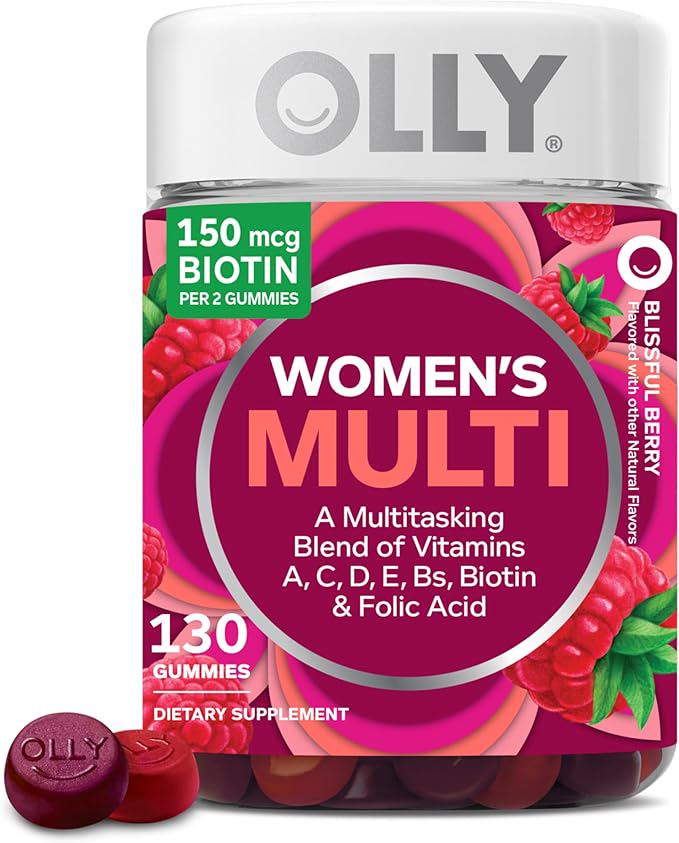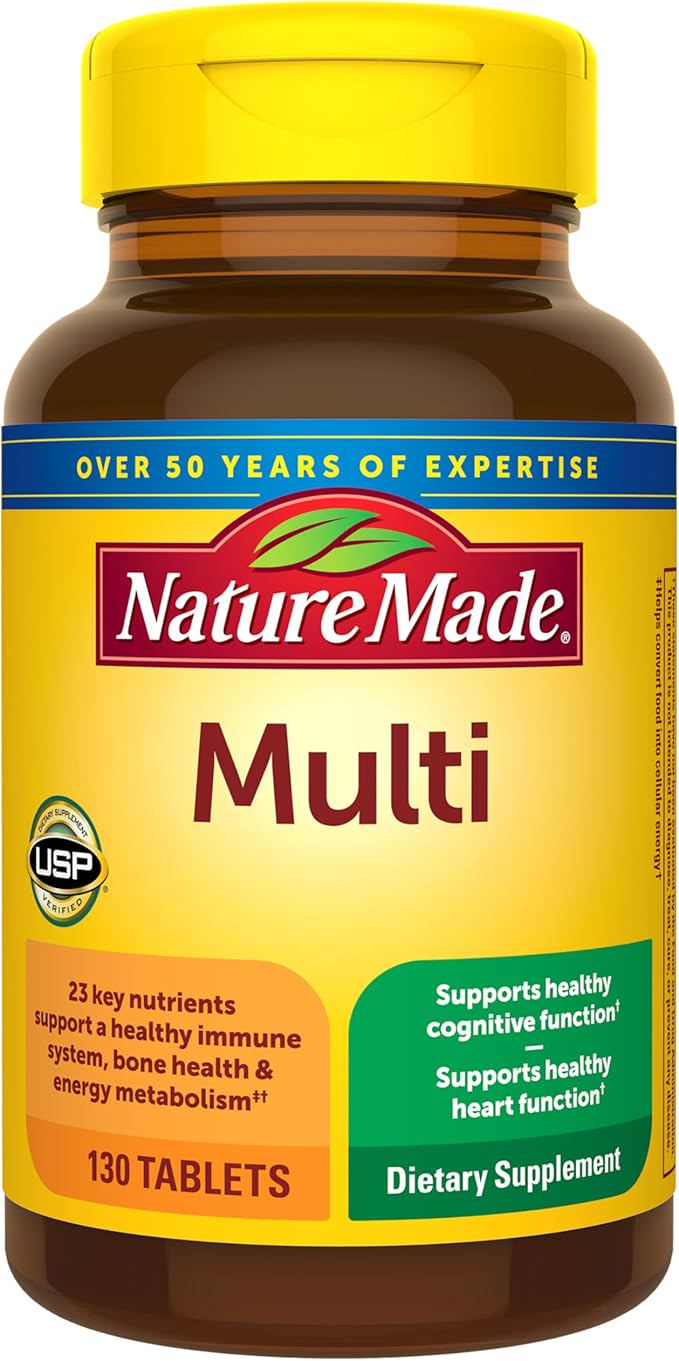

Walk down the supplement aisle and you'll find shelf after shelf of colorful bottles promising a shortcut to good health. Multivitamins are convenient, reassuring, and for many people, a daily habit. But here's the truth that every dietitian wants you to understand: no pill can replicate the complex nutritional web found in whole foods. Popping a multivitamin is not the same as eating a balanced diet, and relying on supplements to fill big gaps can backfire.
What a Multivitamin Can (and Cannot) Do
A standard multivitamin is designed to cover the basics—think vitamin D, B12, iron, and zinc—at levels that help prevent frank deficiencies. For certain populations, like older adults with reduced absorption or people with diagnosed deficiencies, a multivitamin can be a useful safety net. But it's a very different tool from a diet rich in vegetables, fruits, whole grains, lean proteins, and healthy fats.
The issue is that whole foods deliver more than a list of isolated nutrients. An orange, for instance, contains vitamin C, but also fiber, potassium, flavonoids, and other phytonutrients that work together. This synergy is something no lab-made pill can fully copy. When you eat a balanced meal, those compounds interact in ways that affect absorption, metabolism, and how your body actually uses each nutrient. A multivitamin simply doesn't provide that orchestrated effect.
The Problem with Thinking a Pill Covers Your Bases
One of the most common misconceptions I hear as a dietitian is: “If I take a multivitamin, I don't need to worry about eating vegetables today.” That thinking can be harmful. Supplements are intended to supplement—not substitute. When you rely on a multivitamin to make up for a diet heavy on processed foods and light on produce, you miss out on hundreds of beneficial compounds we're still learning about, plus the fiber that supports digestion, blood sugar control, and gut health.
Another risk is that people may take doses far beyond what's needed, assuming “more is better.” Fat-soluble vitamins like A, D, E, and K can build up in the body, and high doses of certain minerals can interfere with absorption of others. Without a dietitian's guidance, it's easy to overdo it.
How Whole Foods Outperform Supplements
Let's look at a few real examples. Calcium from dairy or leafy greens is absorbed differently than calcium carbonate in a tablet. The vitamin C in a pepper helps your body absorb the iron in a bowl of lentils—that's food synergy at work. A multivitamin can't orchestrate those interactions.
Fiber is another huge piece of the puzzle. No multivitamin contains fiber. Yet fiber supports heart health, stable energy, and a healthy gut microbiome. You can only get it from plants.
Phytonutrients like lycopene in tomatoes, flavonoids in berries, and glucosinolates in broccoli have antioxidant and anti-inflammatory effects that scientists are still uncovering. Multivitamins don't contain them.
In short, a multivitamin provides a static set of nutrients at fixed doses. A balanced diet provides a dynamic, interactive package that changes with every meal.
When a Multivitamin Makes Sense
Let's be clear: multivitamins aren't useless. They have a place in specific situations. For example, people following strict vegan diets may benefit from vitamin B12 and iodine supplements. Pregnant women often need folic acid and iron. Older adults with atrophic gastritis might absorb less B12 from food and can use a supplement. And in cases of diagnosed deficiency, a targeted supplement can be essential treatment.
But these are all examples of targeted supplementation based on individual need—not a blanket recommendation for everyone to pop one-a-day pills as insurance against a poor diet.
The Bottom Line: Food First, Supplement Second
The healthiest approach is to build your diet around real, minimally processed foods, and only consider a multivitamin if you and your healthcare provider identify a gap you cannot fill through food alone. Think of food as your foundation and a multivitamin as a possible safety rail—not the main structure.
Your body knows what to do with an apple, a handful of spinach, or a bowl of oatmeal. It has a much harder time with a tablet of isolated compounds.
If you choose to take a multivitamin, look for one that meets basic needs without megadoses. And never use it as permission to skip meals or ignore food quality. The goal is to nourish yourself with variety, color, and balance—every single day.