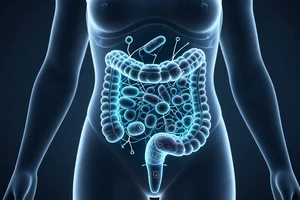

We often think about sugar’s impact on our waistline or our teeth, but its effect on the gut is just as immediate and significant. If you regularly experience bloating, discomfort, or a general sense that your digestion is off, your morning soda or afternoon sweet tea could be a major culprit. The connection between sugary beverages and gut inflammation is not a fringe theory—it's a well-documented biological chain reaction that begins the moment you swallow that first sip.
Understanding this link is the first step toward calming your digestive system. Here’s what happens inside your body when you drink something loaded with sugar, and why swapping that drink out could be one of the most impactful changes you make for your gut health.
How Sugar Fuels the Fire in Your Gut
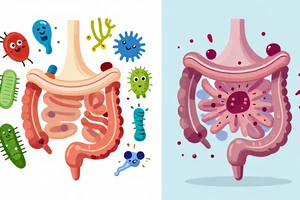
Your gut is home to trillions of bacteria, yeasts, and other microbes that make up your microbiome. This ecosystem thrives on balance. When you consume a high dose of simple sugars—especially fructose and high-fructose corn syrup, which are staples in sodas, fruit punches, and energy drinks—you are essentially pouring fuel on a fire for the wrong microbes.
Unlike complex carbohydrates that feed beneficial bacteria slowly, simple sugars are rapidly fermented by less friendly bacteria and yeast. This rapid fermentation produces gas, bloating, and, crucially, byproducts that can damage the intestinal lining. One of the primary mechanisms is the overgrowth of bacteria like E. coli and certain Clostridium species, which thrive on sugar. As they multiply, they release endotoxins—specifically lipopolysaccharides (LPS)—that trigger a strong inflammatory response from your immune system.
This state is often called “metabolic endotoxemia.” It is a low-grade, chronic inflammation that starts in the gut but can affect your entire body. The sugar doesn’t just feed you; it feeds the bacteria that irritate your intestinal wall.
The blunt truth: A sugary drink doesn't just pass through your stomach. It actively reshapes your gut microbiome within minutes, favoring inflammatory species over protective ones.
Fructose: The Gut’s Worst Enemy in a Can
Not all sugars are created equal when it comes to gut inflammation. Glucose, the sugar in your blood, is metabolized by almost every cell in your body. Fructose, however, is processed almost exclusively by the liver. When you drink a beverage sweetened with high-fructose corn syrup or pure cane sugar (which is half fructose), your liver gets overloaded.
This overload has two direct consequences for the gut. First, the liver converts excess fructose into fat droplets (a process called de novo lipogenesis). Some of these fats find their way back into the gut, where they can act as irritants and disrupt the tight junctions that hold your intestinal lining together. When these junctions loosen—a condition known as “leaky gut”—bacteria and toxins from inside your bowel can slip into your bloodstream, causing full-body inflammation.
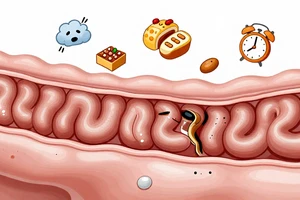
Second, unabsorbed fructose that makes it to the large intestine becomes a feast for gas-producing bacteria. This is why many people feel immediately bloated and uncomfortable after drinking a soda. For those with conditions like irritable bowel syndrome (IBS) or Small Intestinal Bacterial Overgrowth (SIBO), the presence of fructose in the small intestine alone can cause rapid fermentation and pain.
The Empty Calories Problem
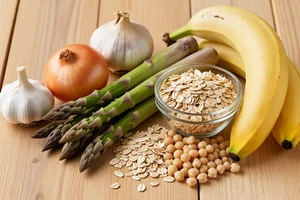
Beyond the direct biochemical damage, sugary beverages crowd out nutrients that actually heal the gut. A 12-ounce soda contains around 40 grams of sugar and offers zero fiber, vitamins, or polyphenols. Fiber is the primary food source for beneficial bacteria like Bifidobacterium and Lactobacillus, which produce anti-inflammatory short-chain fatty acids (SCFAs) like butyrate.
When you replace water or herbal tea with a sugary drink, you aren't just adding a problem—you are missing an opportunity to feed your good bacteria. Without adequate fiber and polyphenols, the population of protective microbes shrinks. The inflammatory bacteria that love sugar fill the void. It becomes a vicious cycle: the more sugar you drink, the more you crave it, and the weaker your gut barrier becomes.
Artificial Sweeteners: Not a Free Pass
Many people switch to “diet” or “zero sugar” beverages thinking they are sidestepping the problem. The research here is evolving, but early evidence suggests that artificial sweeteners like sucralose, saccharin, and aspartame can also disrupt the gut microbiome. Studies in both animals and humans show that these sweeteners may alter the balance of gut bacteria in a way that promotes glucose intolerance and inflammation.
While the mechanisms are different from sugar, the outcome can be similar: an irritated gut. If you are prone to bloating or have a diagnosed gut condition, even sugar-free sodas can act as triggers. Your best bet is to train your palate away from intense sweetness altogether.
Practical Steps to Protect Your Gut
You don’t have to go cold turkey on every sweet drink to see a difference in your digestion. The gut is remarkably resilient, and small changes can yield noticeable improvements within a few days.
- Start with the worst offenders. Sodas, sweetened iced teas, fruit “drinks,” and energy drinks are the most concentrated sources. If you drink one or more of these daily, that is where the biggest shift will happen.
- Try sparkling water with a splash of citrus. The bubbles and cold temperature satisfy the craving for a refreshing drink without the sugar load. Add fresh lemon, lime, or a few muddled raspberries.
- Watch for hidden sugars in “healthy” drinks. Bottled kombucha, pre-made smoothies, and “enhanced” waters often contain as much sugar as a soda. Check labels for grams of added sugar.
- Give it three days. Many people report a significant reduction in bloating and an improvement in bowel regularity within 72 hours of cutting out sugary beverages.
The science is clear: sugary beverages are one of the most direct dietary causes of gut inflammation. By reducing your intake, you give your microbiome a chance to rebalance, your intestinal lining a chance to heal, and your body a break from unnecessary inflammation. Your gut will thank you—probably with a quieter, calmer stomach by the end of the first week.