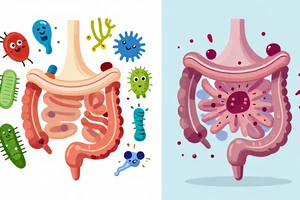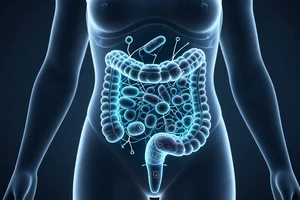
Your gut is a sensitive ecosystem. When it’s happy, you barely notice it. But when something tips the balance—stress, diet, lack of sleep—inflammation can creep in and start sending signals. The tricky part is that many of these signs get written off as normal stress or aging. A little bloating after dinner. A foggy morning. A touch of joint stiffness.
If you’ve been feeling off and can’t quite place why, your digestive tract may be quietly inflamed. Below are seven common warning signs, plus a list of soothing sips that are friendlier to your gut lining than coffee, soda, or alcohol.
1. You’re bloated most days, even when you eat light
Everybody gets bloated now and then. But if you feel distended or gassy several times a week—regardless of what you eat—it might be low-grade inflammation affecting the gut barrier. When the lining of the gut becomes irritated, digestion slows and gas gets trapped.
What to sip instead: Fennel or ginger tea. Both have compounds that help relax the gut muscles and reduce gas buildup.
2. You have loose stools or urgent trips to the bathroom
Inflammation can speed up how fast food moves through your colon. If you find yourself rushing to the bathroom after meals—or dealing with soft, urgent stools more than a few times a week—it’s a sign your gut lining may be irritated.
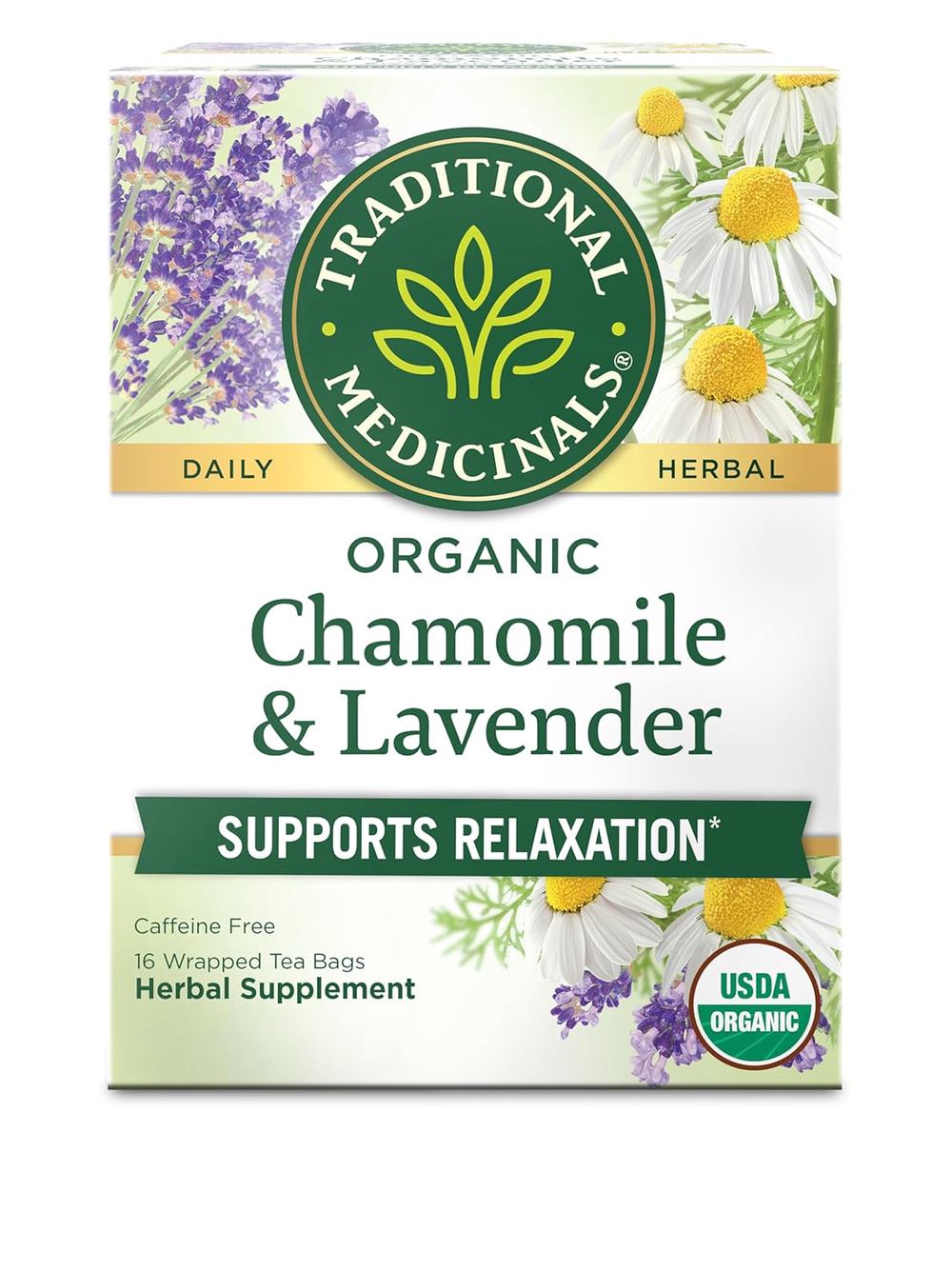
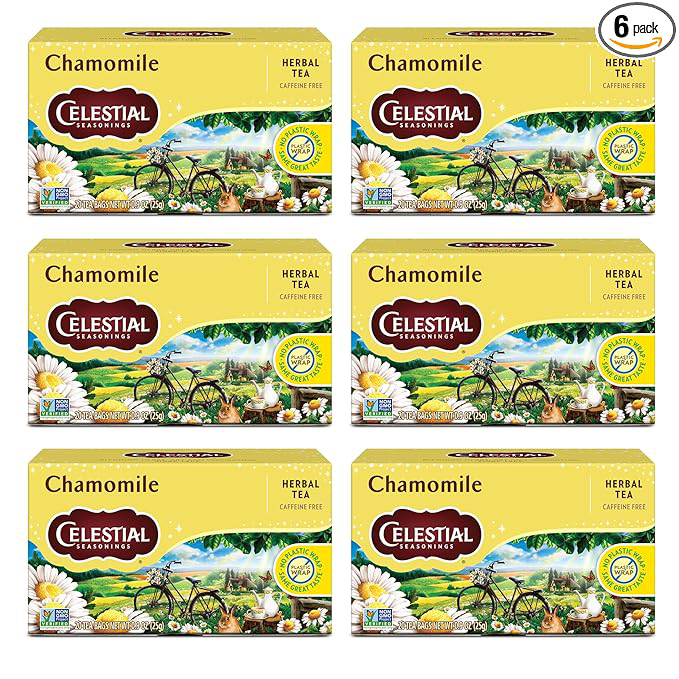
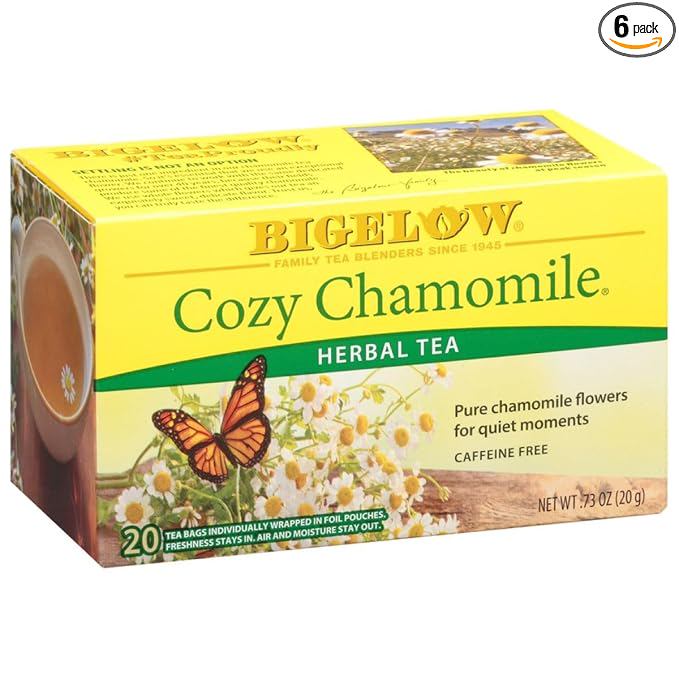
What to sip instead: Bone broth (made fresh, not powder with additives) or chamomile tea. These support the gut lining and calm the muscle contractions that cause urgency.
3. Chronic fatigue that doesn’t improve with sleep
There is a direct pipeline between your gut and your brain. Inflammatory molecules produced in the gut can travel to the central nervous system, triggering fatigue, brain fog, and poor concentration.
What to sip instead: A smoothie with a handful of spinach, half a banana, unsweetened almond milk, and a tablespoon of ground flaxseeds. That combination provides anti-inflammatory fiber without the sugar spikes of juice.
4. Skin breakouts or redness that seem random
When the gut lining is inflamed, it can become more permeable—sometimes called “leaky gut.” Partially digested proteins and toxins can enter the bloodstream, where the immune system reacts with skin inflammation: cystic acne, rosacea flare-ups, or eczema patches.
What to sip instead: Green tea (decaf if caffeine bothers you) or peppermint tea. Green tea is rich in catechins that reduce inflammation, and peppermint soothes intestinal cramping.
5. Joint aches without a clear cause
Inflammation doesn’t stay in the gut. Inflammatory cytokines can circulate and settle in your joints, causing stiffness or achiness that feels like arthritis but shows no swelling. If your fingers or knees feel creaky in the morning and improve after moving, your gut might be the source.
What to sip instead: Tart cherry juice (unsweetened, just a small glass) or turmeric tea made with black pepper. Both have anti-inflammatory properties that target systemic inflammation.
6. Stubborn sugar cravings right after meals
When the gut’s microbiome is out of balance—partly due to inflammation—certain bacteria send signals to your brain that demand quick sugar. You may find you need “something sweet” after every meal, even if you weren’t craving it before.
What to sip instead: A mug of warm water with a squeeze of lemon and a pinch of cinnamon. It tricks the palate into tasting sweetness without the blood-sugar roller coaster.
7. A coated tongue or bad breath that won’t go away
Halitosis and a white or yellow coating on the tongue can be linked to gut dysbiosis. Inflamed digestion can promote an overgrowth of certain bacteria in the small intestine, which produces sulfur compounds that escape as bad breath.
What to sip instead: Peppermint tea or a simple lemon water. These support a healthier oral microbiome and can help balance gut bacteria over time.
The bigger picture: what to avoid while your gut heals
If these signs sound familiar, consider cutting back on common gut irritants. For two to three weeks, try reducing or eliminating alcohol, coffee on an empty stomach, sugary sodas, and highly processed snacks—these all feed inflammation. Instead, focus on whole foods, gentle movement, and the soothing beverages described above.
Most importantly, if your symptoms are severe—blood in the stool, unexplained weight loss, or persistent fevers—see a doctor. These signs can overlap with conditions like Crohn’s disease, ulcerative colitis, or IBS, and a professional diagnosis is essential.