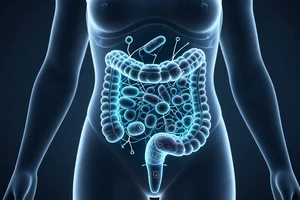
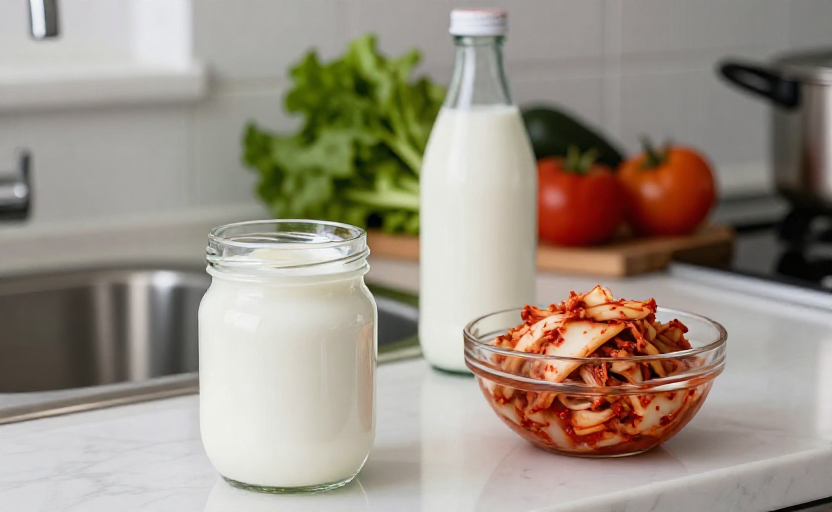
You’ve probably heard that yogurt and sauerkraut are good for your gut. But the phrase “probiotic-rich foods” gets thrown around a lot, and it’s easy to wonder: What’s actually happening inside when you eat them? The short answer is that these foods introduce live beneficial bacteria into your digestive tract, and those bacteria can help break down food, support nutrient absorption, and keep your gut lining healthy. Here’s a closer look at the why and how, without the hype.
What Makes a Food “Probiotic”?
Probiotic foods contain live microorganisms—mostly bacteria, sometimes yeasts—that survive the journey through your stomach acid and reach your intestines. The key is that they’re still alive when you eat them. Not all fermented foods count: some are pasteurized after fermentation, which kills the microbes. Truly probiotic options include yogurt with live cultures, kefir, kimchi, sauerkraut (refrigerated, not shelf-stable), miso, tempeh, and kombucha. The label should say “contains live cultures” or “unpasteurized.”
How They Help Break Down Food
Your digestive system relies on enzymes to dismantle proteins, fats, and carbohydrates. The bacteria in probiotic foods produce their own enzymes that assist this process. For instance, Lactobacillus strains help break down lactose, which is why many people who are lactose intolerant can handle yogurt and kefir better than milk. Fermented vegetables like kimchi contain bacteria that begin pre-digesting fibers and complex carbs, making them easier for your own system to process.
Think of probiotic bacteria as extra kitchen staff: they don’t replace your own chefs, but they help prep the ingredients so the meal goes smoothly.
Supporting Nutrient Absorption
Even if you eat a nutrient-dense meal, your body only benefits if it can absorb those vitamins and minerals. A healthy colony of probiotic bacteria increases the bioavailability of certain nutrients. They help synthesize B vitamins and vitamin K2 directly in the gut, and they improve the absorption of minerals like magnesium, calcium, and iron. For example, the lactic acid produced by beneficial bacteria lowers the pH in your colon, which makes minerals more soluble and easier for your intestinal walls to take up.
Maintaining a Healthy Gut Barrier
Your intestinal lining is only one cell thick. It’s the gatekeeper between the contents of your gut and your bloodstream. Probiotics strengthen that barrier by supporting the tight junctions between cells. When those junctions become loose, partially digested food particles and toxins can leak through—a condition sometimes called increased intestinal permeability, or “leaky gut.” Probiotic bacteria produce short-chain fatty acids like butyrate, which feed the cells lining your colon and help keep that barrier intact.
Balancing the Gut Microbiome
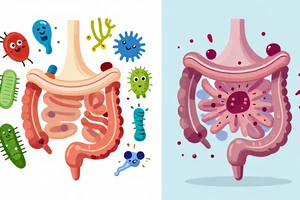
Your gut is home to trillions of microbes—both helpful and potentially harmful. Diet, stress, antibiotics, and illness can tip the balance toward the bad guys. Probiotic-rich foods help restore diversity by introducing more beneficial strains. They also crowd out harmful bacteria by competing for space and food, and by producing antimicrobial compounds. A more balanced microbiome means less gas, bloating, and irregularity for many people.
Practical Ways to Add Them to Your Day
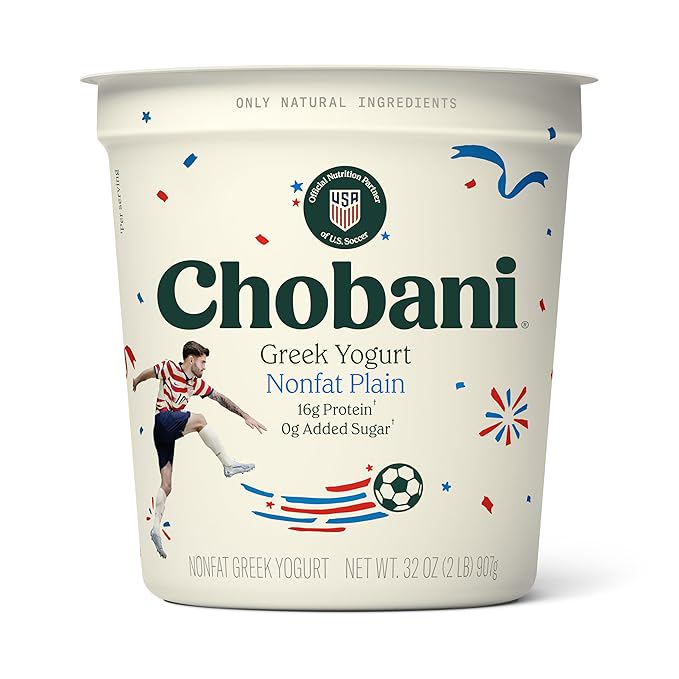
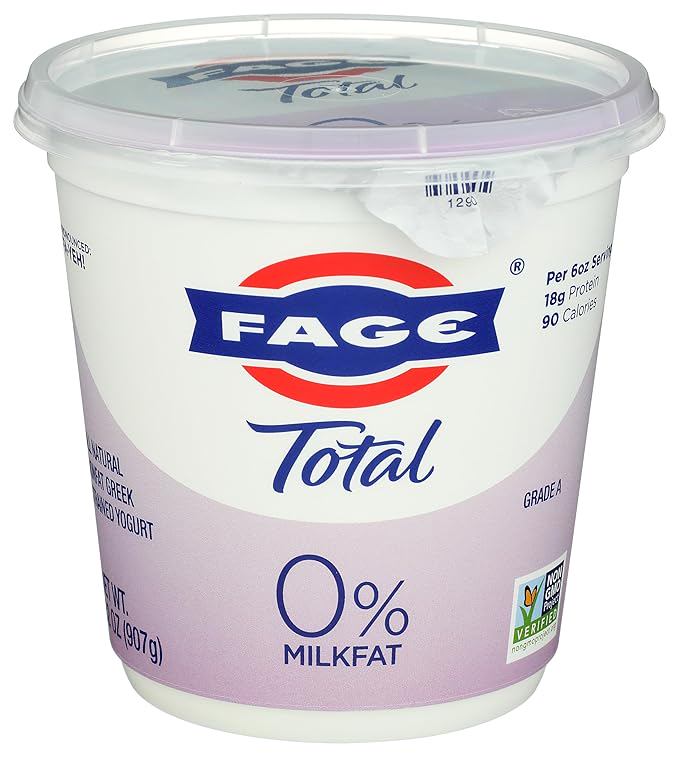
- Start with breakfast: A bowl of plain Greek yogurt or a small glass of kefir with berries.
- Ferment your veggies: Add a forkful of sauerkraut or kimchi to lunch bowls, tacos, or scrambled eggs.
- Sip mindfully: A small serving of kombucha makes a low-sugar afternoon drink.
- Go beyond dairy: Miso soup or tempeh stir-fry offer probiotics without any milk products.
You don’t need to eat all of these every day. Even one or two servings of a live-culture food can make a difference over time. Start small, because introducing a lot of new bacteria at once can temporarily cause gas or bloating as your gut adjusts.
Common Myths About Probiotic Foods
One misconception is that all fermented foods are probiotic. Pickles from a grocery shelf are usually pasteurized and vinegar-brined—no live bacteria left. Traditional fermented pickles (sold refrigerated, made with salt brine) are a different story. Another myth: more is always better. Overloading on probiotic foods at once can actually cause digestive upset. Consistency matters more than quantity. Finally, probiotic foods won’t fix everything overnight. They are a supportive piece of a broader digestive-health picture that includes fiber, hydration, and sleep.