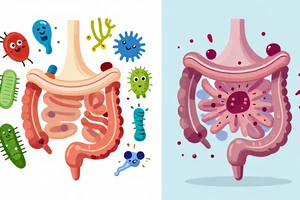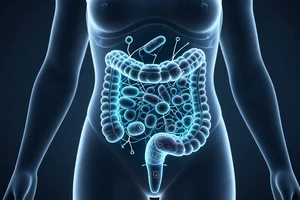

Your digestive system relies on enzymes to break down food so your body can absorb nutrients. While your pancreas, stomach, and small intestine produce these enzymes naturally, certain foods lend a helping hand. These foods contain active enzymes that start digesting proteins, fats, and carbohydrates as soon as they hit your mouth. Adding them to your meals can ease bloating, improve nutrient absorption, and support smooth digestion without supplements.
Here are four foods that naturally boost your digestive enzymes — and practical ways to eat them more often.
Papaya: The Protein-Digesting Powerhouse
Papaya contains papain, a potent enzyme that breaks down proteins into amino acids. Unlike some enzymes that only activate once they reach the stomach, papain begins working in the mouth and continues through the upper digestive tract. This makes papaya especially helpful after a heavy meal with meat, eggs, or legumes.
Papain also acts as a mild anti-inflammatory in the gut. Research suggests it can help reduce symptoms of indigestion and heartburn for some people. The fruit is also rich in fiber, vitamin C, and water content, all of which promote regular bowel movements and gut comfort.
How to eat it: Enjoy fresh papaya as a breakfast fruit or afternoon snack. Squeeze a little lime over the slices to enhance the flavor. For a digestive boost before a meal, try a small bowl of papaya 15 to 20 minutes before you eat. You can also blend it into smoothies with ginger and spinach for a gentle morning start.
Tip: Unripe papaya contains more papain than ripe fruit. If you find green papaya, try it shredded into a salad or slaw. It has a mild, crunchy texture that pairs well with lime and cilantro.
Pineapple: Bromelain for Protein and Inflammation
Pineapple provides bromelain, a mixture of enzymes that digest protein and fight inflammation. Bromelain is most concentrated in the stem and core of the fruit, which is why you often find it in powdered enzyme supplements. But the flesh itself still offers a solid digestive advantage.
Bromelain works best in a slightly acidic environment, so it begins breaking down protein in the stomach. It can help relieve post-meal bloating and heaviness, especially after protein-rich meals. Some people use bromelain to reduce sinus inflammation and joint pain, though the digestive benefit is its most direct effect.
How to eat it: Fresh pineapple is far more effective than canned, which is often heated and loses enzyme activity. Eat a few chunks of fresh pineapple with your meal or as a dessert. Grilling pineapple can deactivate bromelain, so keep it raw for the enzyme benefit. Try adding pineapple to salsa with jalapeño, cilantro, and lime — the enzymes help tenderize the other ingredients naturally.
Fermented Vegetables: Bacteria That Make Enzymes
Fermented vegetables like sauerkraut, kimchi, and pickles (brine-cured, not vinegar) are unique. They don't contain enzymes in high concentrations themselves, but they supply live bacteria that produce digestive enzymes in your gut. This makes them a indirect yet powerful way to support your body's enzyme production over time.
The fermentation process creates beneficial strains of Lactobacillus and other probiotics. These bacteria help break down lactose, proteins, and fibers that your own enzymes struggle with. Regular intake of fermented vegetables is linked to less gas, reduced bloating, and better digestion of plant foods high in fiber.
How to eat it: Look for unpasteurized, refrigerated sauerkraut or kimchi in the cold section of the grocery store. Pasteurized versions found on shelves have no live cultures. Start with one to two tablespoons per day — a small forkful as a side dish or on top of a bowl of rice. You can also add fermented vegetables to sandwiches, tacos, or scrambled eggs.
Kiwi: Actinidin for Gentle Digestion
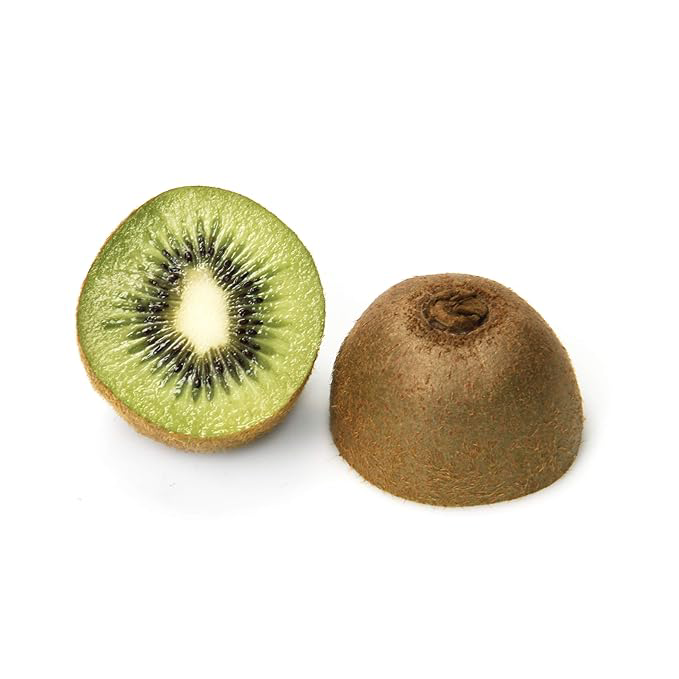
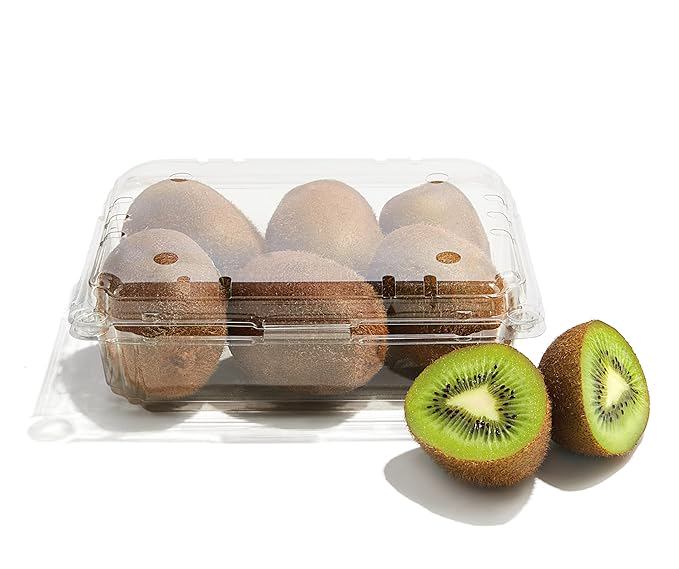
Kiwi contains actinidin, an enzyme that breaks down protein similarly to papain and bromelain but works especially well in the stomach's acidic environment. Research shows that actinidin can accelerate digestion of meat, dairy, and gelatin — proteins that sometimes linger in the stomach and cause heaviness.
What sets kiwi apart is its gentle nature. People with sensitive stomachs who react to papaya or pineapple often tolerate kiwi well. Studies have found that eating two kiwis per day can improve bowel regularity and reduce constipation in both children and adults. The soluble fiber in kiwi also helps feed good gut bacteria.
How to eat it: Eat kiwi with the skin on for maximum fiber and enzyme benefit — just wash it thoroughly first. The fuzzy skin contains a large portion of the fiber and some of the enzyme activity. Slice it into rounds or eat it whole like an apple. Pair kiwi with yogurt or cottage cheese to help break down the milk proteins if you're lactose sensitive. Add sliced kiwi to water for a subtle digestive infusion during meals.
How to Get the Most from Enzyme-Rich Foods
Heat deactivates enzymes. Cooking, boiling, or pasteurizing these foods kills their enzymatic activity. For full digestive benefit, eat these foods raw or only very lightly warmed. Grilling pineapple or roasting papaya will give you flavor and fiber, but the enzymes will have already broken down.
Chew thoroughly. Digestion actually starts in your mouth. Chewing breaks food into smaller pieces and mixes it with saliva, which contains its own enzyme, amylase. The more you chew, the more surface area enzymes from food have to work on.
Use enzyme foods strategically. Eat a small serving 10 to 20 minutes before your largest meal of the day. This pre-load of enzymes helps kickstart digestion before the bulk of food arrives. Even a few chunks of fresh pineapple or a small bowl of papaya can make a difference.
Combine with hydration. Water doesn't contain enzymes, but staying well hydrated helps enzymes move freely through your digestive tract. Drink a glass of water with your enzyme-rich snack for best results.
Important note: While these foods support healthy digestion, they cannot fix serious digestive disorders like chronic pancreatitis, cystic fibrosis, or severe enzyme insufficiency. If you have ongoing digestive symptoms, consult a healthcare provider for proper evaluation.