
You’ve heard about digestive enzymes. Maybe you’ve even bought a bottle, hoping they’ll finally calm the bloating after meals or help you digest foods that have been giving you trouble. You take one before dinner, wait a few days, and feel… not much. Or worse, you feel a little off.
Digestive enzyme supplements can be genuinely helpful for some people, but they aren’t magic pills. They operate on specific biological logic, and when that logic is ignored, they often fail to deliver results. Over the years, I’ve seen the same three mistakes come up again and again. If you’ve tried enzymes and felt let down, or if you’re thinking about starting them, here’s what to watch for.
1. Choosing the wrong enzyme blend for your specific meal
This is the most common misstep, and it’s an easy one to make. Most bottles on the shelf are labeled something like “Digestive Enzyme Complex” or “Full Spectrum Digestive Aid.” It sounds comprehensive, but a one-size-fits-all blend is rarely the right choice because digestion is not a one-size-fits-all process.
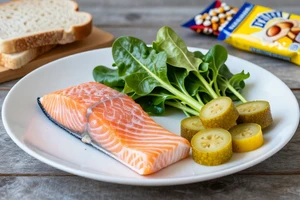
Think about what you actually eat. The enzymes your body needs to break down a high-protein steak dinner are different from the ones needed for a plate of pasta, a bowl of bean chili, or a handful of almonds. Here’s a quick breakdown:
- Proteases break down proteins (meat, eggs, dairy, beans).
- Lipases break down fats (oils, butter, fatty fish, avocado).
- Amylases break down starches (bread, rice, potatoes, pasta).
- Cellulase helps break down fiber from plant cell walls (vegetables, grains).
- Lactase specifically breaks down lactose in dairy.
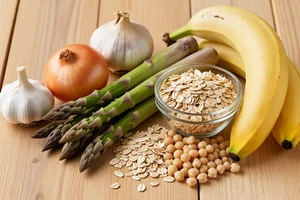
If you take a general “full spectrum” blend but your main issue is digesting a greasy burger, you might not have enough lipase activity to handle the fat load. Conversely, if you are mostly vegetarian and your bloating comes from beans and broccoli, you may need more alpha-galactosidase (the enzyme that breaks down the complex carbs in legumes and cruciferous vegetables) rather than a high-protease formula.
A practical tip: Match your enzyme to your meal. Look for blends that highlight specific activities—like “high lipase for fatty meals” or “contains alpha-galactosidase for gassy vegetables”—instead of grabbing a generic bottle.
2. Taking them at the wrong time or with the wrong conditions
Even the perfect enzyme blend won't work well if you take it at the wrong moment. Enzymes need to mix with the food in your stomach before digestion gets too far along. The general rule is to take them within the first few bites of your meal or right before you start eating. If you wait until you’re already halfway through your plate, or worse, after you’ve finished eating, the food may have already moved past the point where the enzymes can effectively interact with it.
There is another subtle but important condition: the pH of your stomach. Many enzyme supplements, especially those derived from plant sources like bromelain (from pineapple) or papain (from papaya), work best in the acidic environment of your stomach. However, some bacterial or fungal-derived enzymes are more active in a neutral to slightly alkaline pH, which is closer to the environment of the small intestine.
If you are taking a proton pump inhibitor (PPI) or another acid-reducing medication, your stomach pH is less acidic, which can actually help certain enzymes work better—but it can hinder the ones that need a truly acidic environment. Pay attention to timing, but also be aware that what’s in your stomach (acid-wise) matters.
3. Expecting them to fix a root cause they cannot fix
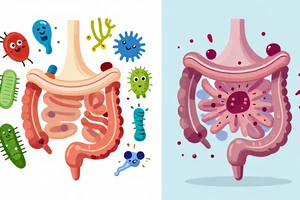
Digestive enzymes are a support tool, not a cure. They can help you break down a specific meal, but they will not heal a damaged gut lining, rebalance your gut microbiome, or compensate for chronically low stomach acid or pancreatic insufficiency. If your underlying issue is something like small intestinal bacterial overgrowth (SIBO), inflammatory bowel disease, or a food sensitivity driven by immune response, enzymes are not the right tool.
I have spoken with many people who took enzymes for months, hoping to resolve constant bloating or loose stools, only to find their symptoms persisted. The enzymes were doing their job—breaking down the food—but the real problem was a lack of beneficial bacteria, an overgrowth of harmful bacteria, or a chronic inflammatory condition. In those cases, enzymes can even mask the symptoms temporarily, delaying a proper diagnosis.
A note of caution: If you feel consistently worse after taking enzymes, or if your digestive distress is severe, painful, or accompanied by unexplained weight loss or blood, stop the supplement and consult a healthcare provider. Enzymes are not for everyone, and they are not designed to treat serious conditions.
When used wisely, digestive enzymes can be a helpful addition to a gut-supporting routine. They work best when you pick the right type for the food on your plate, take them at the right time, and pair them with an honest assessment of what is actually going on with your digestive health.