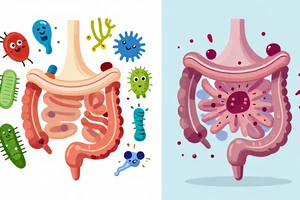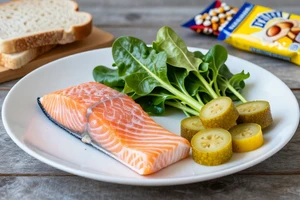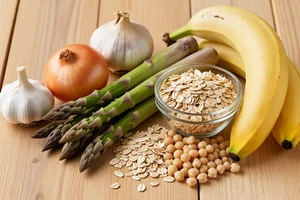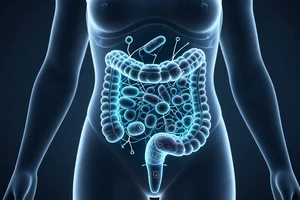

A healthy gut is the bedrock of good energy, clear skin, and a balanced mood. Yet many of us unknowingly sabotage our digestion every single day with habits that seem completely harmless. The key players? Your digestive enzymes—tiny protein workers that break down the food you eat into absorbable nutrients. When they are in short supply, you pay for it.
Instead of reaching for a supplement right away, it helps to first identify the two most common daily routines that directly drain your enzyme reserves. Once you see them clearly, the fix is surprisingly simple.
1. Drinking fluids with your meals
You have heard that staying hydrated is important, and it is. But timing matters. Drinking large amounts of water, iced tea, or juice with your meal dilutes the concentration of stomach acid and digestive enzymes in your stomach and small intestine. Think of enzymes like a team of workers. If you flood the job site with water, they struggle to do their work efficiently.
When enzyme concentration drops, food spends too long sitting in the stomach, which often leads to bloating, burping, and a heavy feeling after eating. Over time, the body may need to produce extra enzymes just to keep up, which creates a constant low-grade demand that can wear out the pancreas.
A simple shift: Try to finish drinking fluids 20 to 30 minutes before a meal, and then wait at least 45 minutes to an hour after eating before you have a significant amount to drink again. If you absolutely need a sip during the meal to swallow a bite, keep it to a small mouthful of room-temperature water—not a full glass.
2. Chronic low-grade stress (especially at the table)
This is the one that surprises most people. You do not have to be in full panic mode to disrupt your enzyme production. Constant background stress—rushing through lunch at your desk, arguing in the car on the way home, or even scrolling through upsetting news while you eat—triggers your sympathetic nervous system, the fight-or-flight branch.
When your body thinks it is under threat, it shifts blood flow away from the digestive organs and toward the muscles and heart. That redirection directly decreases the secretion of salivary amylase, pepsin, and pancreatic enzymes. The result is that a meal full of good nutrition becomes only partially digested. Undigested food particles can then irritate the gut lining, feed undesirable bacteria, and cause gas, cramping, or fatigue after eating.
Stress management is often framed as a luxury, but from a digestive perspective it is a non-negotiable tool for enzyme health.
How to eat in a restful state
- Pause before the first bite. Take three slow breaths. This simple act signals to your nervous system that it is safe to transition into rest-and-digest mode.
- Step away from screens. Keep phones and laptops off the table. Eating while reading or watching creates a distracted state that your brain interprets as multitasking, which keeps adrenaline slightly elevated.
- Chew thoroughly. Digestion actually begins in the mouth. Amylase in saliva starts breaking down starches, and chewing signals the stomach to ramp up enzyme production. Aim to soften each bite into a paste before swallowing.
What you can do to protect and support your enzymes
Eliminating those two daily drains is the most powerful first step. But you can go a step further by deliberately supporting your body’s natural enzyme production with a few mindful choices.
Eat more raw, enzyme-rich foods
Fresh fruits and vegetables contain natural enzymes that assist in their own digestion. Pineapple yields bromelain, papaya boasts papain, and raw honey, sprouted seeds, and fermented vegetables like sauerkraut or kimchi all supply enzymes that ease the burden on your pancreas. Heating food above roughly 118°F (48°C) destroys most natural enzymes, which is why a mix of raw and cooked is ideal.
Let the stomach do its work first
Digestive enzymes need an acidic environment to activate properly. Popping antacids routinely or drinking alkaline water with meals can raise stomach pH too much, making it harder for enzymes to function. If you experience heartburn, work with a health professional to understand the root cause rather than automatically neutralizing stomach acid.
Consider your food combinations
Fruits, especially melons, digest very quickly. Eating them on top of a heavy meal of protein and fat can cause them to ferment in the warm gut while waiting for the slower foods to break down. Eating fruit alone or at least 30 minutes before a meal can prevent that uncomfortable fermentation.
Bottom line: Your digestive system is remarkably resilient, but it responds to your daily patterns. By protecting your enzymes through simple habit changes, you can reduce bloating, improve nutrient absorption, and feel lighter and more energized after meals.
If you try these adjustments for a week and still experience significant discomfort—such as chronic bloating, undigested food in stools, or unexplained fatigue—it is wise to speak with a healthcare provider. Low enzyme activity can sometimes signal an underlying issue, such as pancreatic insufficiency or inflammatory bowel conditions, that requires personalized attention.