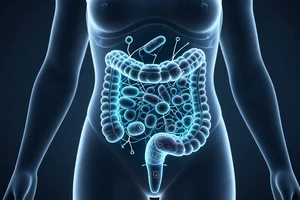
Digestive enzymes are the unsung workforce behind every meal you eat. When your body produces the right mix, food breaks down smoothly, nutrients get absorbed, and your gut feels quiet and comfortable. When production falters—due to age, stress, or certain health conditions—you might notice bloating, fullness, or irregularity after eating. Understanding the most common digestive enzymes and what they do can help you make smarter choices about food pairing and, if needed, supplementation.
Let's walk through the five enzymes you rely on most, what they break down, and how they fit into the bigger picture of gut health.
Amylase: The Starch Breaker
Amylase is the first enzyme to get to work. It starts in your saliva—right when you chew—and continues in the small intestine. Its job is to break complex carbohydrates (starches) into shorter sugar chains and eventually maltose.
If you've ever noticed that a cracker starts to taste sweet after you chew it for a while, that's amylase in action. Foods rich in starch—potatoes, rice, bread, pasta, and grains—all depend on this enzyme for proper digestion. When amylase activity is low, undigested carbohydrates can feed gut bacteria and lead to gas and bloating.
Quick tip: Chewing thoroughly gives salivary amylase time to start breaking down starches before they reach your stomach.
Protease: The Protein Artist
Protease enzymes (including pepsin, trypsin, and chymotrypsin) break proteins into smaller peptides and amino acids. Protein digestion actually begins in the stomach, where pepsin works in a highly acidic environment. Pancreatic proteases then take over in the small intestine.
Why this matters for gut health—incompletely digested proteins can pass through the intestinal lining and trigger immune reactions or inflammation in sensitive individuals. Adequate protease activity helps ensure proteins are broken down fully so your body can access the building blocks it needs for muscle repair, hormone production, and immune function.
Lipase: The Fat Maven
Lipase breaks down dietary fats (triglycerides) into free fatty acids and monoglycerides. Most lipase is produced by the pancreas and released into the small intestine. Bile from the liver helps emulsify fats first, which gives lipase a bigger surface area to work with.
Signs of low lipase may include greasy or floating stools, bloating after fatty meals, and an uncomfortable sense of fullness. Conditions such as pancreatic insufficiency, gallbladder removal, or cystic fibrosis can reduce lipase output. For the rest of us, simply pairing fatty foods with good chewing and a calm eating pace supports natural lipase function.
Lactase: The Dairy Specialist
Lactase is a specific enzyme that splits lactose—the natural sugar in milk—into glucose and galactose. Unlike the other enzymes on this list, lactase is often produced in high amounts only during infancy and childhood. Many adults gradually lose the ability to produce enough lactase, a condition known as lactase non-persistence or lactose intolerance.
When lactose travels undigested to the colon, gut bacteria ferment it, producing gas, cramping, and diarrhea. The degree of lactase deficiency varies widely across ethnic groups, with the highest rates of tolerance found in people of Northern European descent and the lowest in East Asian, West African, and Native American populations. If dairy bothers you, lactase enzyme supplements taken just before a meal can make a real difference.
Cellulase: The Plant Wall Wrecker
Cellulase breaks down cellulose, a tough, fibrous component of plant cell walls. Humans do not produce cellulase naturally. Instead, we rely on bacteria in our gut to do this job, but only partially. Certain people may have difficulty digesting high-fiber vegetables like broccoli, cabbage, or kale, leading to gas and bloating.
Supplemental cellulase is sometimes added to digestive enzyme formulas to assist with breaking down plant fibers more thoroughly. This can be especially helpful for individuals who eat a high-plant-based diet and experience bloating despite otherwise healthy digestion. It is worth noting that cellulase cannot fully replace the role of fiber on our microbiome—some undigested fiber is actually good for gut bacteria.
How These Enzymes Work Together
Digestion is not a solo act. While each enzyme targets a specific type of macronutrient, they all work in a coordinated sequence along the digestive tract. Stomach acid and peristalsis help mix and move food. The pancreas secretes a powerful cocktail of amylase, protease, and lipase into the small intestine. Bile adds a detergent-like effect for fats. The brush border of the small intestine adds its own finishing enzymes, including lactase.
If one part of this system is underperforming, you may feel it. Low stomach acid, for instance, can impair protease activation. A sluggish gallbladder reduces fat digestion efficiency. Even stress—by shifting blood flow away from the digestive tract—can temporarily lower enzyme secretion.
Rather than fixating on single enzymes, think of the whole system. Supporting your natural enzyme production often involves:
- Eating a varied, whole-food diet that gives your pancreas balanced demands
- Staying hydrated; adequate fluid helps intestinal juices flow
- Chewing food thoroughly; mechanical breakdown increases surface area for enzymes
- Managing chronic stress with breathing, movement, or adequate sleep
- Avoiding excessive alcohol and smoking, which harm pancreatic function
When Supplementing Makes Sense
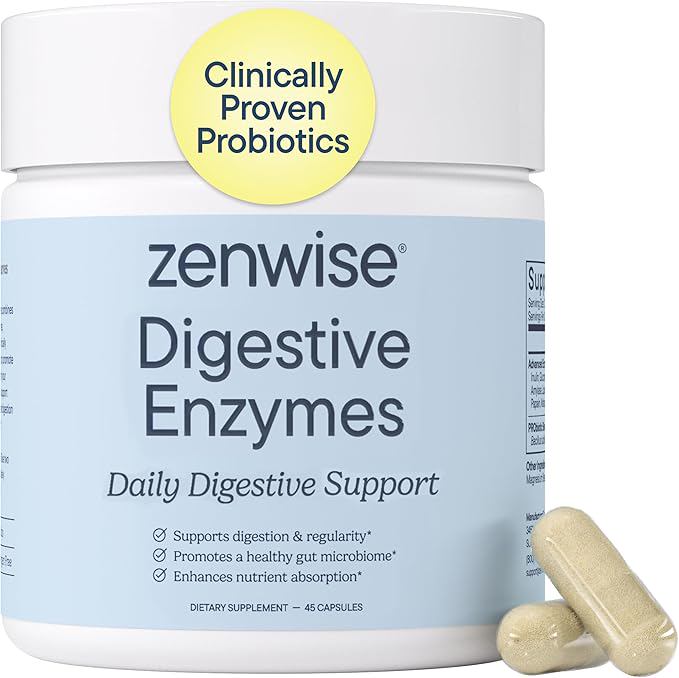
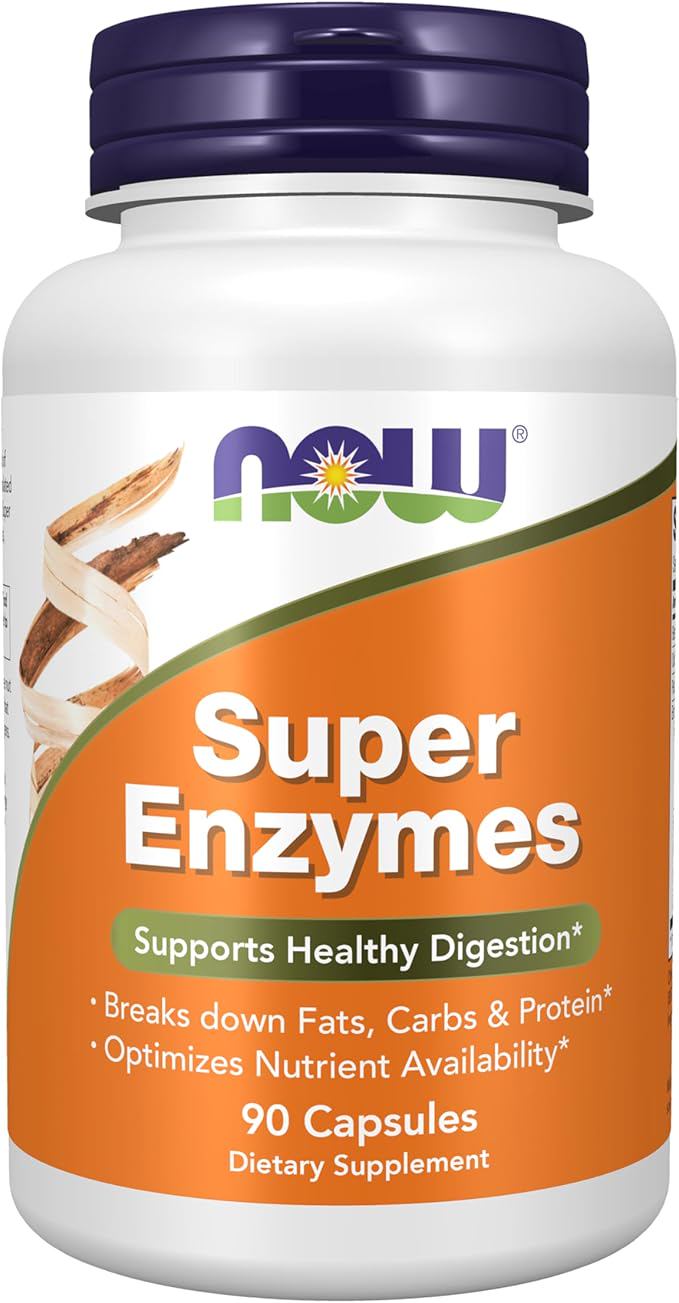
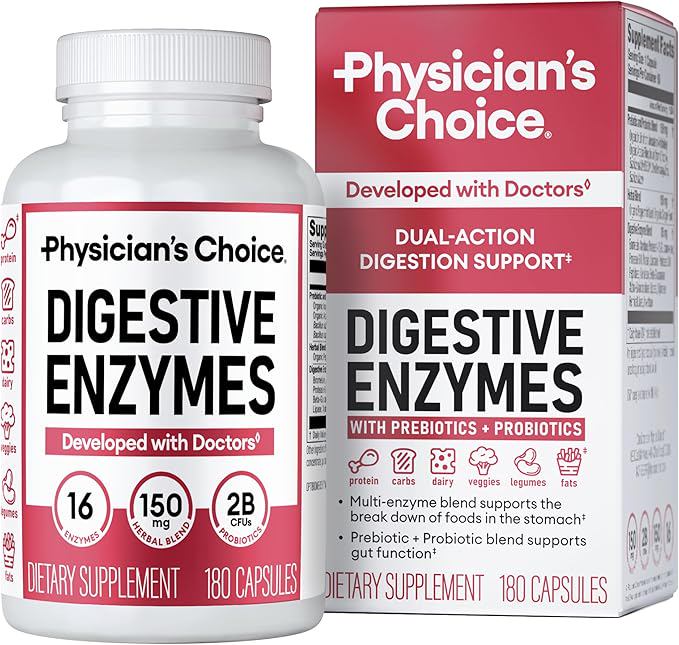
Digestive enzyme supplements are widely available and typically contain a blend of the enzymes above. They are often derived from fungal sources (like Aspergillus strains) or pancreatic extracts (from pigs or cows). Some people use them as a bridge while healing from gut infections, after gallbladder surgery, or during a period of high stress. Others use them when eating a particularly heavy meal.
Important guardrails: Enzyme supplements are not intended to treat or cure diseases. They do not replace medical advice. If you have chronic digestive issues, recurrent abdominal pain, or unexplained weight loss, see a healthcare provider before self-prescribing. There are prescription-strength enzymes (like pancrelipase) for conditions such as exocrine pancreatic insufficiency, which require a doctor's supervision.
Real Reader Concerns About Digestive Enzymes
Can I take digestive enzymes on an empty stomach?
Most enzyme supplements are designed to be taken with meals—the enzymes need food to work on. Taking them on an empty stomach may cause mild gastric irritation in some people and does not offer the same benefit.
Are digestive enzymes safe long-term?
For most people, digestive enzyme supplements are safe when used as directed. However, long-term use is not well-studied in healthy individuals. It is generally recommended to use them when needed and address the underlying causes of poor digestion rather than relying on supplements indefinitely.
Will enzymes make me lose weight?
There is no strong evidence that digestive enzyme supplements directly cause weight loss. They may improve nutrient absorption and reduce bloating, which could make you feel more comfortable, but they are not a weight loss tool.
Do enzymes help with acid reflux?
Some people report that certain enzymes, particularly proteases taken with meals, help reduce symptoms of reflux by supporting complete digestion and reducing pressure on the lower esophageal sphincter. However, the evidence is mixed, and individual responses vary.