Walk into any pharmacy or health food store, and you will see rows of probiotic capsules promising better digestion, a stronger immune system, and a happier gut. It is tempting to grab a bottle and call it a day. But if you want to really support the trillions of microbes living in your digestive tract, the evidence leans surprisingly toward your grocery list, not your supplement cabinet.
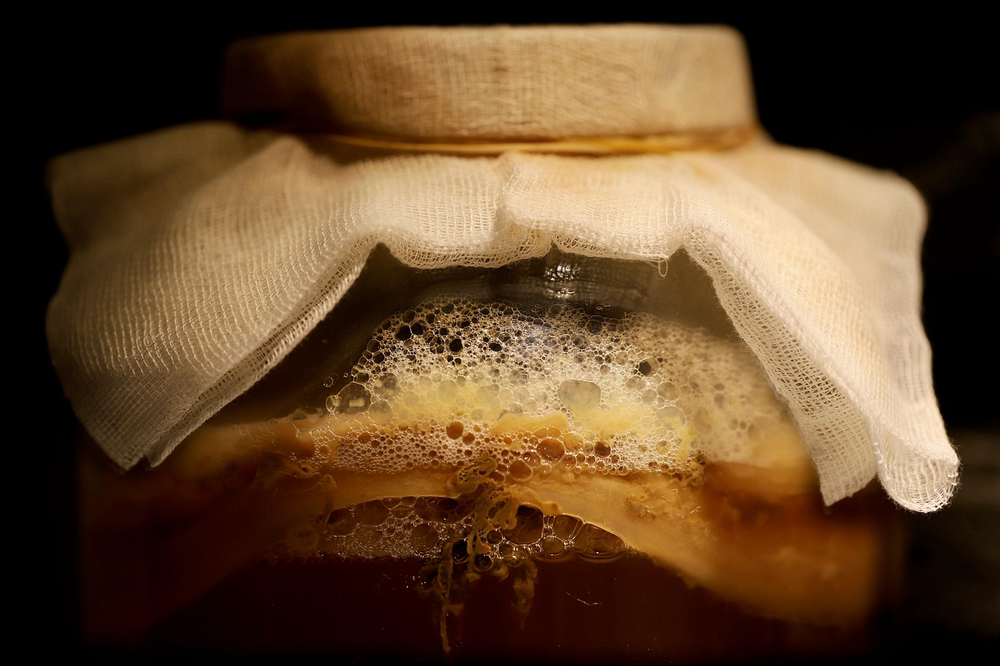
Probiotic-rich foods—things like yogurt, kefir, sauerkraut, kimchi, and kombucha—offer something a pill cannot replicate: a complex ecosystem of nutrients, fiber, and beneficial bacteria that work together. This is not about dismissing supplements entirely; they have a time and place. But for everyday gut maintenance, there are several compelling reasons to eat your probiotics rather than swallow them.
Survivability: the real journey to your gut
One of the biggest problems with probiotic supplements is simply getting the bacteria alive to your colon. Stomach acid is a hostile environment, designed to kill microorganisms. Many capsule formulations use enteric coatings or specific strains to improve survival, but the harsh reality is that a significant portion of the bacteria in a pill never makes it past the stomach.
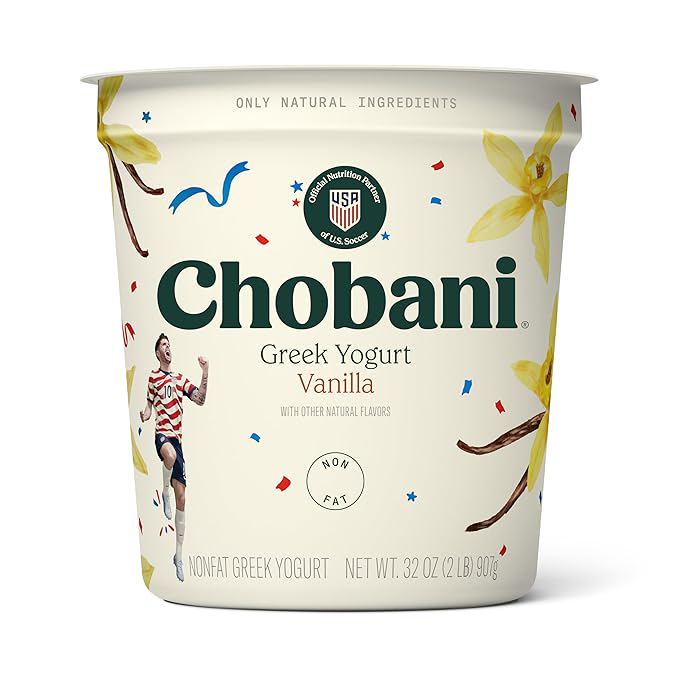
Fermented foods, by contrast, deliver bacteria in a food matrix. The proteins, fats, and other compounds in whole foods can act as a protective buffer. For example, the fat content in yogurt or kefir helps shield bacteria during their transit through the acid bath of your stomach. This natural package improves your odds of delivering living microbes where they can actually do some good.
Diversity matters more than billions
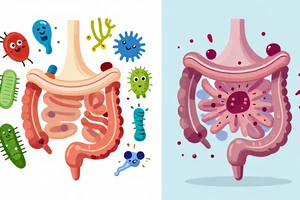
When you look at a supplement label, you will typically see a single strain or a handful of strains with a staggeringly high colony-forming unit count. The marketing focus is on numbers—billions and billions. But the scientific community is becoming increasingly interested in diversity. A healthy microbiome is not defined by one superstar strain; it is a diverse, balanced ecosystem.
Fermented foods naturally contain a wider variety of bacterial strains and yeasts. A homemade batch of sauerkraut, for example, might harbor Lactobacillus plantarum, Leuconostoc mesenteroides, and several other species that change throughout the fermentation process. This biodiversity is closer to what our ancestors ate and what our gut expects. You simply cannot buy a single capsule that replicates the dynamic, living fermentation found in a jar of kimchi.
Synergy with what else you eat
An often overlooked advantage of food-based probiotics is the other compounds that come along for the ride. Probiotic-rich foods are rarely just a vehicle for bacteria. Yogurt and kefir provide protein, calcium, and vitamin K2. Kimchi and sauerkraut offer fiber, vitamins C and K, and antioxidant compounds. Kombucha contains organic acids and tea polyphenols.
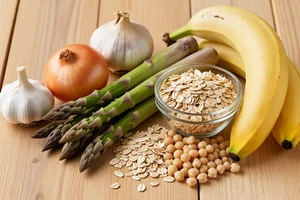
These nutrients matter because they serve as prebiotics—compounds that feed the beneficial bacteria already in your colon. When you eat probiotic-rich foods, you are essentially sending in new bacteria along with the fuel they need to thrive. With a supplement, you are sending in bacteria into an environment that may or may not be ready to support them. Many fermented foods are also naturally high in digestive enzymes, which can further ease the workload on your gut.
Cost, consistency, and long-term habits
Supplements are a recurring expense. A quality probiotic can cost anywhere from twenty to fifty dollars a month. Over a year, that adds up considerably. Probiotic-rich foods, especially if you learn to make a few staples at home, are significantly cheaper. A head of cabbage and some salt can produce jars of sauerkraut for pennies per serving.
Beyond cost, there is the question of habit. Swallowing a capsule each morning can feel like a chore—a quick fix that does not necessarily influence the rest of your diet. Cooking with kimchi, drinking kefir as a breakfast base, or adding a spoonful of sauerkraut to your lunch sandwich creates a pattern. That pattern nudges you toward a broader whole-foods dietary pattern, which is the strongest known driver of long-term gut health. A supplement does not change what you eat for lunch; fermented foods often help reshape your entire food landscape.
A simple shift: swap your daily probiotic pill for a half-cup of homemade sauerkraut or a small glass of plain kefir. Your gut gets live cultures plus food your microbiome can actually use.
When supplements might still be useful
This is not a blanket rejection of all probiotic supplements. There are specific medical scenarios where a targeted, high-dose probiotic strain—under the guidance of a healthcare provider—can be beneficial. This includes during or after a course of antibiotics, for certain cases of antibiotic-associated diarrhea, and for some people with irritable bowel syndrome who respond well to particular strains. In these situations, a supplement offers a controlled dose that is hard to achieve with food alone.
The key is the word targeted. Most people shopping for a general wellness probiotic do not know which strain they need, if any. In contrast, eating a varied diet of fermented foods provides a broad-spectrum safety net without requiring a prescription or a PhD in microbiology. If you are considering a supplement for a specific health concern, it is best discussed with your doctor or a registered dietitian.
Practical ways to add more fermented foods
- Start your day with kefir. Blend unsweetened kefir with berries and a handful of spinach for a quick, probiotic-rich smoothie.
- Add a scoop of kimchi to grain bowls. The spicy, tangy kick pairs well with rice, roasted vegetables, and an egg.
- Use plain yogurt as a base. Skip flavored yogurts loaded with added sugar. Stir plain yogurt into oatmeal, use it as a substitute for sour cream, or mix it with herbs for a quick sauce.
- Experiment with fermented vegetables. Pick up a jar of unpasteurized sauerkraut or fermented pickles from the refrigerated section of your grocery store. The heat used in canning kills the live bacteria, so stick with refrigerated, raw ferments.
When shopping, check the label for phrases like "live cultures," "unpasteurized," or "naturally fermented." If you see "pasteurized" on a jar of sauerkraut, the beneficial bacteria have been neutralized. You are essentially buying shelf-stable cabbage at that point.
The bottom line on your gut microbiome
Choosing probiotic-rich foods over supplements is not about purity or extremism. It is about pragmatism. Whole foods deliver live bacteria in a protective matrix, offer a broader diversity of strains, provide prebiotic fuel and enzymes simultaneously, and tend to support a sustainable, healthy dietary pattern. Supplements are not useless; they are simply a more limited tool best reserved for specific short-term needs rather than daily maintenance.
Focus on eating a colorful, varied diet that regularly includes fermented items. Your gut microbiome was designed to interact with food, not pills. Feeding it through meals is the most natural, effective, and affordable way to keep your digestive ecosystem in balance.