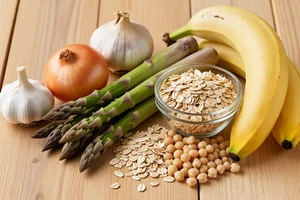

If you have ever felt your thinking sharpen after a light, vegetable-rich lunch or turn sluggish after a heavy, sugary meal, you already know that what you eat affects how you think. That connection is not just in your head—it runs straight through your gut. The foods that support digestion are often the same ones that support a calm, clear mind. Understanding why this happens can help you make everyday choices that benefit both your digestion and your mental focus.
How the gut talks to the brain
Your digestive tract is lined with an intricate network of neurons called the enteric nervous system. This network sends signals to the brain through the vagus nerve, a direct communication highway that runs between the abdomen and the skull. This bidirectional link means that irritation in the gut can produce brain fog or fatigue, while a well-nourished gut environment can support better concentration and mood stability.
Beyond nerves, the gut houses trillions of microorganisms—collectively called the gut microbiome. These bacteria produce neurotransmitters such as serotonin, dopamine, and gamma-aminobutyric acid (GABA). In fact, an estimated 90 to 95 percent of your body's serotonin is synthesized in the gut. When your microbiome is balanced and thriving, it produces these chemicals in quantities that support a stable mood and focused attention. When it is disrupted, production can falter, and mental clarity often suffers.
Inflammation: the mental clarity thief
A diet low in fiber and high in processed foods can trigger a state of low-grade inflammation throughout the body, including the brain. The gut lining can become more permeable—a condition sometimes referred to as "leaky gut"—allowing fragments of bacteria or undigested food particles to enter the bloodstream. The immune system responds, and systemic inflammation rises. In the brain, this inflammation is linked to slower cognitive processing, memory lapses, and a general sense of mental fatigue.
Gut-friendly foods help reinforce the intestinal barrier. Dietary fiber, polyphenols, and omega-3 fatty acids all support the integrity of the gut lining and help reduce inflammatory signaling. When inflammation drops, the brain can operate more efficiently.
Fiber feeds the good bacteria
Not all fiber is created equal. Soluble fiber found in oats, apples, carrots, and legumes provides prebiotic fuel for beneficial bacteria like Bifidobacterium and Lactobacillus. When these bacteria ferment fiber, they produce short-chain fatty acids such as butyrate. Butyrate is a primary energy source for the cells that line the colon, and it also has anti-inflammatory effects that extend to the brain via the bloodstream. A daily intake of 25 to 30 grams of fiber from whole foods is a practical target for supporting mental clarity.
Polyphenols: plant compounds that boost gut-brain health
Polyphenols are naturally occurring compounds in colorful fruits, vegetables, tea, cocoa, and herbs. They are not digested directly by human enzymes but are metabolized by gut bacteria. In turn, the bacteria use polyphenols to produce metabolites that protect neurons and improve blood flow to the brain. Blueberries, green tea, dark chocolate, and extra-virgin olive oil are all rich sources. Regular consumption has been associated with better performance on cognitive tasks and a slower rate of age-related mental decline.
A small handful of walnuts or a cup of berries at breakfast is not just fuel—it is a direct signal to your gut microbes to produce compounds that help you think more clearly later in the day.
Probiotic and fermented foods for focus
Fermented foods introduce live beneficial bacteria directly into the digestive tract. Yogurt, kefir, sauerkraut, kimchi, miso, and kombucha are common examples that have been part of traditional diets for centuries. In studies where participants added fermented foods to their diets, they reported improved memory and reduced symptoms of anxiety or brain fog.
It is important to introduce fermented foods slowly if you are not used to them. A sudden large serving can cause bloating or digestive upset. Starting with a quarter cup of sauerkraut or a small serving of yogurt a few times per week is enough to start supporting microbiome diversity without overwhelming your system.
Fatty acids for maintaining myelin
Omega-3 fatty acids, especially docosahexaenoic acid (DHA), are structural components of brain cell membranes and the myelin sheath that insulates nerve fibers. They also play a role in reducing neuroinflammation. The body cannot produce DHA efficiently, so it must come from food. Good sources include fatty fish like salmon, mackerel, and sardines, as well as algae oil, flaxseeds, and chia seeds. For mental clarity, consistent intake of DHA over time is more important than occasional high doses.
Practical examples of gut-friendly meals for mental clarity
Building a meal that supports both gut health and cognitive function does not require elaborate recipes. A bowl of oatmeal topped with blueberries, walnuts, and a dollop of yogurt covers fiber, polyphenols, omega-3s, and probiotics in one dish. A lunch of leafy greens with grilled salmon, a handful of sauerkraut, and a vinaigrette made with olive oil provides prebiotics, protein, healthy fats, and fermented vegetables. For a snack, an apple with almond butter supplies soluble fiber and vitamin E.
Dinner could be a lentil curry with turmeric and spinach, served with a side of steamed broccoli. Lentils feed the microbiome with resistant starch, turmeric contains curcumin (a potent anti-inflammatory polyphenol), and broccoli delivers glucosinolates that support detoxification pathways. None of these meals are extreme or restrictive—they simply shift the balance toward whole, minimally processed ingredients.
What to limit for better mental clarity
Ultra-processed foods, artificial sweeteners, and large amounts of refined sugar can feed less beneficial bacteria and promote dysbiosis—an imbalance in the gut microbiome. Many people notice that cutting back on these foods leads to fewer energy crashes and better sustained attention. This does not mean avoiding all treats. The goal is to reduce the foods that starve beneficial bacteria and inflame the gut, while increasing the foods that nourish them.
Consistency matters more than perfection
The gut microbiome adapts relatively quickly to dietary changes, but lasting shifts require consistent habits. A single high-fiber meal will not undo weeks of poor eating, and one indulgent day will not destroy a healthy gut. The approach that works best is gradual, steady improvement: adding a serving of vegetables to lunch, swapping white rice for quinoa, or drinking a glass of kombucha instead of soda. Over several weeks, these changes can improve both digestive comfort and mental clarity.
Remember that everyone's microbiome is unique. If you suspect specific foods are causing brain fog or digestive distress, keeping a simple food-and-mood journal for two weeks can help identify patterns. This is not about perfection or an exact protocol—it is about learning how your body responds and adjusting accordingly.