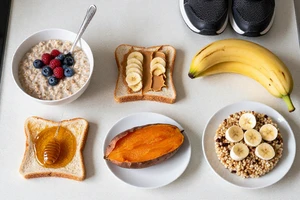

We often think of spinal health in terms of posture, ergonomics, and exercise. While these are crucial pillars, what we put on our plates plays a surprisingly foundational role. The spine is a living structure, constantly remodeling and repairing itself, and it requires a steady supply of specific nutrients to maintain its strength, flexibility, and resilience. Think of your diet as the raw materials for your body’s ongoing maintenance project.
As a dietitian, I see food not as a magic cure for back pain, but as a fundamental form of support. A nutrient-rich diet helps build strong bones to support the vertebrae, maintains the hydration and integrity of spinal discs, and fuels the muscles that act as a natural corset for your back. It’s about creating an internal environment where your spine can thrive.
Building Blocks: Key Nutrients for Your Spine
Your spine’s architecture relies on a team of nutrients working together. Focusing on whole foods that provide these key players is the most effective strategy.
Calcium and Vitamin D: This is the classic duo for bone health. The vertebrae are bones, and keeping them dense and strong is paramount. Calcium is the mineral that provides hardness, while vitamin D acts as the essential key that allows your body to absorb and use that calcium effectively. Without sufficient vitamin D, much of the calcium you consume simply passes through your system.
Magnesium: Often overlooked, magnesium is a multitasker. It helps regulate calcium transport into bones, supports muscle function and relaxation (vital for the muscles surrounding the spine), and plays a role in nerve signaling. Muscle tension is a common contributor to back discomfort, and magnesium can help ease that.
Anti-inflammatory Powerhouses: Chronic, low-grade inflammation can irritate tissues in and around the spine. An anti-inflammatory diet focuses on foods rich in antioxidants and healthy fats to help quiet this background noise. The stars here are omega-3 fatty acids, found in fatty fish, and a rainbow of phytonutrients from fruits and vegetables.
Foods to Focus On
Translating nutrients into a grocery list makes the plan actionable. Aim to incorporate these foods regularly.
- Leafy Greens: Kale, spinach, collard greens, and bok choy are excellent sources of bone-supporting calcium, magnesium, and vitamin K.
- Fatty Fish: Salmon, mackerel, sardines, and trout provide omega-3 fatty acids, which are potent anti-inflammatories.
- Colorful Fruits and Vegetables: Berries, cherries, oranges, bell peppers, and beets are packed with antioxidants like vitamin C, which is necessary for collagen formation—a key component of spinal discs and ligaments.
- Nuts and Seeds: Almonds, walnuts, chia seeds, and flaxseeds offer magnesium, healthy fats, and plant-based protein.
- Legumes: Beans, lentils, and chickpeas are great sources of magnesium and protein for muscle support.
- Dairy or Fortified Alternatives: Yogurt, kefir, and fortified plant milks can help meet calcium and vitamin D needs.
Hydration is non-negotiable for spinal discs. These cushions between your vertebrae are about 80% water. Staying well-hydrated helps maintain their height and shock-absorbing capacity.
Foods and Habits to Moderate
It’s not just about adding in the good; it’s also about being mindful of what can detract from spinal wellness. The goal isn’t perfection, but awareness.
Highly processed foods, excessive added sugars, and refined carbohydrates can promote inflammation. This doesn’t mean you can never enjoy them, but rather that they shouldn’t form the basis of your daily intake. Similarly, excessive alcohol and caffeine can have a diuretic effect and may interfere with nutrient absorption when consumed in large amounts.
Perhaps one of the most significant dietary habits for spinal health is maintaining a weight that is healthy for you. Carrying excess weight, particularly around the midsection, shifts your center of gravity and places additional mechanical stress on the lumbar spine. A balanced diet supports a healthy weight, thereby reducing this load.
Putting It All Together: A Day of Spinal-Supportive Eating
This isn’t a rigid diet, but a pattern of eating. Here’s what a day might look like, built on the principles we’ve discussed.
Breakfast: A smoothie with spinach, frozen berries, plain Greek yogurt (for protein, calcium, and probiotics), and a tablespoon of ground flaxseed. Or, try scrambled eggs with sautéed kale and mushrooms.
Lunch: A large salad with mixed greens, chickpeas, avocado, walnuts, and grilled salmon or tofu, dressed with olive oil and lemon juice.
Dinner: A stir-fry with plenty of broccoli, bell peppers, and snap peas, served with quinoa and edamame. Alternatively, a lentil soup with a side of dark leafy greens.
Snacks: An apple with almond butter, a handful of mixed nuts, or carrot sticks with hummus.
Remember, consistency over time is what makes the difference. Your spine isn’t built in a day, and neither is its nutritional support system. Start by adding one new spinal-supportive food to your routine this week, and build from there. Listen to your body, and consider consulting with a registered dietitian to create a personalized plan that fits your life, preferences, and any specific health considerations. Your back will thank you for the nourishment.