Backbends are often described as heart-openers, but for many practitioners, they can feel more like a clenching contest. If your lower back pinches, your breathing turns shallow, or your neck feels like it is doing all the work, you are not alone. These sensations are usually signs of compensation — your body finding a way to get into the shape even when a key area isn't ready.
The good news is that most backbend discomfort comes down to just a few recurring patterns. Once you know what to look for, you can address the root cause rather than just trying to "push through it." Here are three common sources of strain and the adjustments that can help you find more space and ease.
1. Overworking the Lower Back While the Upper Back Stays Stiff
One of the most frequent issues is that the lumbar spine (lower back) does most of the curving while the thoracic spine (mid- to upper back) stays flat. This creates a hinge point in the lower back, which can feel like a pinching or sharp sensation.
Most of the bending in a backbend should come from the thoracic spine. However, because this area is often tight from sitting and hunching forward, the lower back steps in to compensate. The fix isn't to stop backbending — it's to give the upper back a reason to move.
How to fix it
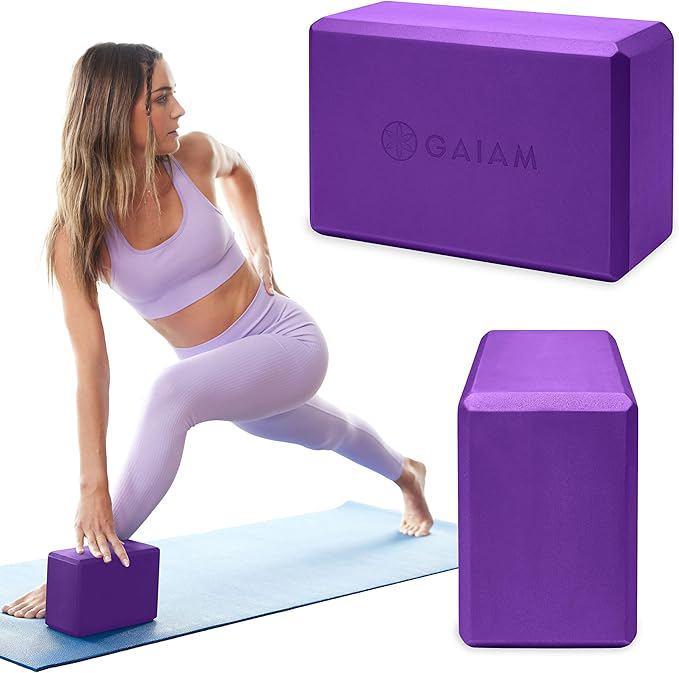
Try a supported backbend over a yoga block or bolster placed horizontally under your shoulder blades (not your lower back). Lie back so the prop supports the area between your shoulder blades. Let your arms rest overhead or out to the sides. Stay here for 5–10 slow breaths. This gently encourages the thoracic spine to extend without dumping the weight into your lower back.
During active backbends like Cobra or Upward-Facing Dog, focus on pressing your hands down and drawing your front ribs in toward your spine. Think about lifting your chest forward and up rather than just hinging backward from the waist.
2. Gripping the Glutes and Hamstrings Instead of Using Them Quietly
It might seem that squeezing your glutes harder will help you lift higher in a backbend. In reality, excessive glute tension often compresses the lower back and limits hip extension. This is because the glutes and hamstrings attach near the pelvis; when they are over-gripped, they pull the pelvis into a tuck, which works against the backbend.
A healthy backbend asks for strength without gripping. The legs should be active and stable, but the glutes should remain relatively soft — just enough to support the pelvis without forcing it into a posterior tilt.
How to fix it
Before your next backbend, lie on your back and place your fingertips on your glutes. Lift your hips into Bridge Pose, and try to find the minimum amount of glute activation you need to hold the pose. Can you lift the hips without hardening the glutes fully? Practice pressing the tops of your feet and your thighs down instead.
In standing backbends or wheel pose, soften the glutes by imagining your sitting bones drawing toward the backs of your knees. This lengthens the hamstrings and creates space in the low back.
3. Leading With the Chin and Compressing the Neck
Another natural reaction in a backbend is to throw the head back, hoping that more neck extension will equal a deeper bend. This usually leads to a jammed feeling at the base of the skull and the cervical spine. It also creates tension through the front of the throat, which can restrict breathing — the opposite of what a heart-opening pose should do.
A safe backbend keeps the neck long and the chin slightly tucked, even in deep extension. The head should be the last thing to move, not the first.
How to fix it
Practice keeping the back of your neck long by imagining a small grape between your chin and your throat — you want to hold it gently, not crush it. In poses like Locust or Cobra, start with your forehead on the mat. As you lift your chest, let your gaze lift only as high as you can without feeling a crease in the back of the neck. If your chin juts forward, come down a little and re-engage the arms and upper back.
You can also place a small rolled washcloth or towel at the base of your skull during a supported backbend to remind yourself to keep length through the cervical spine.
Stress in backbends is rarely a sign that backbends are wrong for you. More often, it signals that a specific area needs a different kind of preparation. By distributing the curve more evenly, quieting the legs, and respecting the neck, you can work toward backbends that feel expansive rather than compressive.



![Tumaz Yoga Strap/Stretch Bands [15+ Colors, 6/8/10 Feet Options] with Extra Safe Adjustable D-Ring Buckle, Durable and Comfy Delicate Texture - Best for Daily Stretching, Physical Therapy, Fitness](https://www.glowtheorylab.com/uploads/ad202604/d62cf3b7330d7d4a.webp)