You roll out your mat with the best intentions, moving through sun salutations or holding a warrior pose, hoping to find that promised sense of calm. Yet sometimes, when you step off the mat, you feel more frazzled than when you started. It’s a subtle, confusing experience. If your yoga practice feels like it’s adding to your tension rather than dissolving it, it’s worth pausing to listen. The issue isn’t with yoga itself, but often with how we’re approaching it. Here are three subtle signs that your practice might need a gentle shift to truly become the stress-relief tool you’re seeking.
You’re Chasing the “Perfect” Pose Instead of Your Breath
It’s easy to walk into a studio or open an online class and see images of flawless alignment. The natural impulse is to try to mirror that shape in your own body. But when your primary focus becomes how your pose looks—straightening that leg another inch, sinking deeper into a bind, or constantly checking your form in a mirror—you’ve likely left the present moment.
Stress relief in yoga comes from the marriage of movement and mindful awareness. The breath is the anchor. If you’re holding your breath to achieve a shape, or if your inner monologue is a critical checklist (“hips higher, shoulders down, arch deeper”), you’ve traded a meditative practice for a performance. The body tenses under this self-scrutiny, mirroring the mental strain of striving.
Your practice isn’t a photo shoot. It’s the felt experience of being in your body, breath by breath.
Notice where your attention goes. Is it on the external form or the internal sensation? A simple shift from “How does this look?” to “How does this feel?” can change everything. It allows for a kinder, more accepting presence, which is the true antithesis of stress.
You Feel Rushed or Irritable During or After Practice
Yoga is often squeezed between other obligations—a quick 20 minutes before work or a class crammed between meetings. While any practice is beneficial, if you’re constantly watching the clock, rushing to “fit it in,” or feeling annoyed by the instructor’s pace, your nervous system is getting a clear message: hurry up.
This sense of urgency contradicts the foundational aim of calming the nervous system. You might be physically going through the motions, but mentally, you’re already onto the next task. The result is a low-grade irritability, as if the practice was another item to check off a stressful to-do list, not a reprieve from it.
After your session, check in. Do you feel a lingering agitation? A subtle resentment about the time it “took”? This is a sign the practice wasn’t allowed to be a boundary from daily pressures. Consider protecting a few extra minutes before and after—time to sit quietly, to transition slowly—to signal to your mind that this is a distinct, sacred space, not just another slot in a crowded schedule.
Your Body Feels Worn Down, Not Rejuvenated
Some muscle soreness from new movements is normal. But there’s a distinct difference between the healthy fatigue of effort and a feeling of being drained, achy, or physically depleted. If you consistently finish practice feeling more exhausted than when you began, your approach may be too aggressive.
Stress lives in the body as tension. A practice aimed at relief should invite release, not create more strain. Pushing too hard, skipping rest poses, or ignoring signals of fatigue can trigger a stress response, flooding your system with cortisol just as a high-intensity workout might. You’re adding a physical stressor on top of a mental one.
- Listen to your energy levels: Some days call for a vigorous vinyasa, others for restorative yin or simple breathwork. Honoring that is key.
- Pain is a signal, not a challenge: A sharp pain or intense sensation is your body asking you to back off, not to push through.
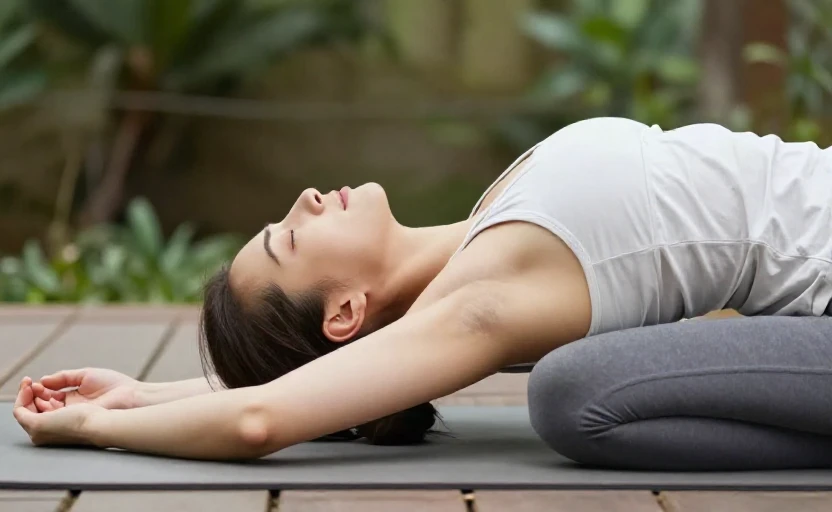
- Incorporate genuine rest: Savasana (final relaxation) is not optional downtime; it’s where the nervous system integrates the benefits of the practice. Shortchanging it shortchanges your recovery.
A sustainable practice should leave you with a sense of physical ease and mental clarity, not the heavy fatigue of another demand met.
Returning to the Heart of the Practice
Recognizing these signs isn’t a failure; it’s valuable feedback. It means you’re self-aware enough to notice the disconnect between intention and outcome. The beauty of yoga is its adaptability. It can meet you exactly where you are.
If you see yourself in these warnings, consider a reset. This might mean:
- Choosing a slower style of class for a few weeks.
- Practicing with your eyes closed to tune into sensation.
- Setting a timer for five minutes of quiet sitting before you even move.
- Letting go of any “shoulds” about duration or difficulty.
Ultimately, a yoga practice that relieves stress is one that cultivates awareness and compassion, for your body and your busy mind. It’s less about what you do on the mat, and more about how you choose to be with yourself while you’re there.