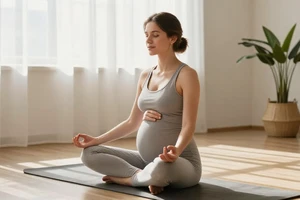
Starting yoga after 50 is a smart, body-kind decision. It can improve flexibility, build strength, and sharpen your sense of equilibrium. But before you roll out the mat and attempt a Tree Pose, it’s wise to check in with your balance — not as a test of ego, but as a simple baseline. Knowing where you stand (literally) helps you choose safe modifications and avoid unnecessary falls.
Your sense of balance changes with age due to shifts in vision, inner-ear function, and proprioception — your body’s ability to sense where it is in space. This doesn’t mean you cannot do yoga; it means you can start smarter. These at-home assessments are gentle, require no special gear, and take about ten minutes. The goal is not perfection. The goal is information.
Why check your balance before yoga?
A quick balance check helps you, and if you choose, your instructor, tailor the practice to your current reality. If you know one leg is less stable, you can keep a hand on a wall during standing poses. If you wobble when turning your head, you can keep your gaze soft and fixed. This isn’t about limitation — it’s about intelligent preparation. Most gentle yoga classes for older adults include balance work, but knowing your starting point reduces surprise and builds confidence.
The 30-second standing test
This is the most straightforward assessment. Place a sturdy chair or counter within arm’s reach. Stand tall with your feet hip-width apart, arms relaxed at your sides. Cross your arms over your chest. At your own pace, lift one foot just a few inches off the floor. Start a stopwatch or glance at a clock with a second hand.
Hold the position as long as you can without putting your lifted foot down, hopping, or uncrossing your arms. Stop the test if you feel unsteady or need to grab the chair. Repeat on the other side.
What to look for: A steady hold of 30 seconds or more suggests good baseline stability. Between 15 and 30 seconds is common after 50 and indicates room to improve — which yoga can absolutely provide. Under 15 seconds signals a need for caution. Prioritize chair-supported poses and core-strengthening moves before trying unsupported standing balances.
The tandem stance test
This is a narrower base of support, like walking a straight line. Stand near a wall or counter. Place one foot directly in front of the other, heel to toe, as if on a tightrope. Choose whichever foot feels more natural in front. Once steady, cross your arms over your chest and close your eyes. Time how long you can stay still without stepping out of the line or opening your eyes.
What to look for: A steady hold of 10 seconds or more with eyes closed indicates solid proprioception. If you wobble or step out in under 10 seconds, your body may rely heavily on visual cues for balance. In yoga, that means you’ll benefit from focusing on a fixed point (drishti) during standing poses and practice shifting weight slowly.

The single-leg raise with head turn
Balance is not just about leg strength; it’s also about how your inner ear and eyes coordinate. This test mimics a common yoga transition — a standing balance with a head turn. Stand near a counter, feet together. Lift your right knee to hip height, keeping your thigh parallel to the floor. Slowly turn your head to look over your right shoulder. Return to center. Lower your foot. Repeat on the left side.
What to look for: Notice if you tilt your torso, drop the raised leg, or need to grab the counter. If this exercise makes you feel dizzy or unsteady, your vestibular system may be sensitive. In yoga, this means you should avoid rapid head movements in poses like Triangle or Warrior III. Instead, keep your gaze steady and move into and out of poses slowly.
A solid baseline helps you choose safe modifications. This is not a limits test — it is a starting point.
The sit-to-stand test
This evaluates the leg strength and coordination required for chair poses and forward folds. Use a standard-height, stable chair (no wheels). Sit with your back straight, feet flat on the floor, arms crossed over your chest. Stand up fully without pushing off with your hands, then sit back down gently. Repeat five times as quickly as you can safely manage.
What to look for: Completing five reps in under 15 seconds suggests good lower-body power. If you need to use your hands or take longer than 15 seconds, your legs and glutes may need conditioning. Yoga poses like Chair Pose (held for shorter durations) and Warrior II can help build that strength gradually.
What do the results mean for your practice?
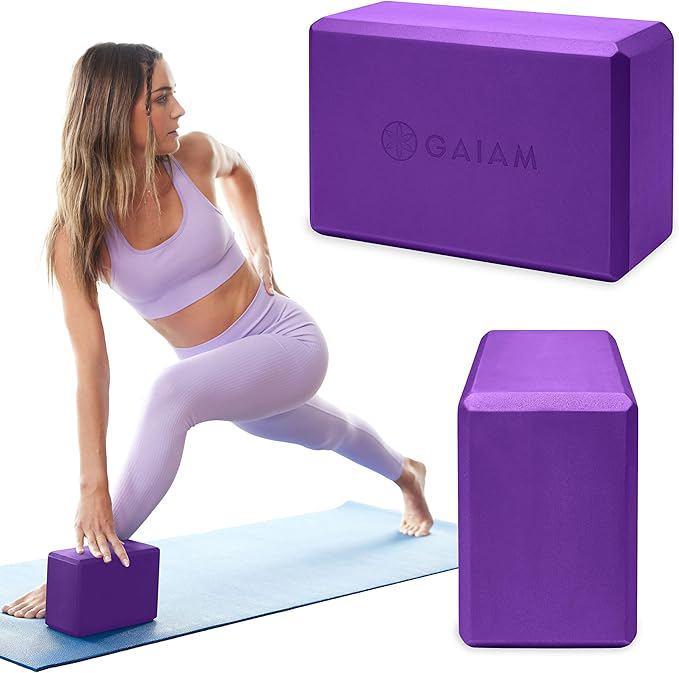
These tests are not pass-or-fail. They are a snapshot. Use the results to set a gentle, patient pace. If your balance tests reveal significant instability, start with chair yoga or wall-supported standing poses. Focus on core engagement — drawing your navel gently toward your spine — which stabilizes your entire frame. Avoid closed-eye balances until you feel solid with eyes open. Always keep a wall, chair, or block nearby, especially in the first few weeks.
If you feel sharp pain, joint clicking that hurts, or sudden dizziness during any test, stop and talk with your healthcare provider before beginning a movement practice. That said, for most people starting yoga after 50, these simple checks demystify balance and build a foundation of self-awareness. Yoga is not about standing perfectly still — it is about learning how to recover from the wobble.


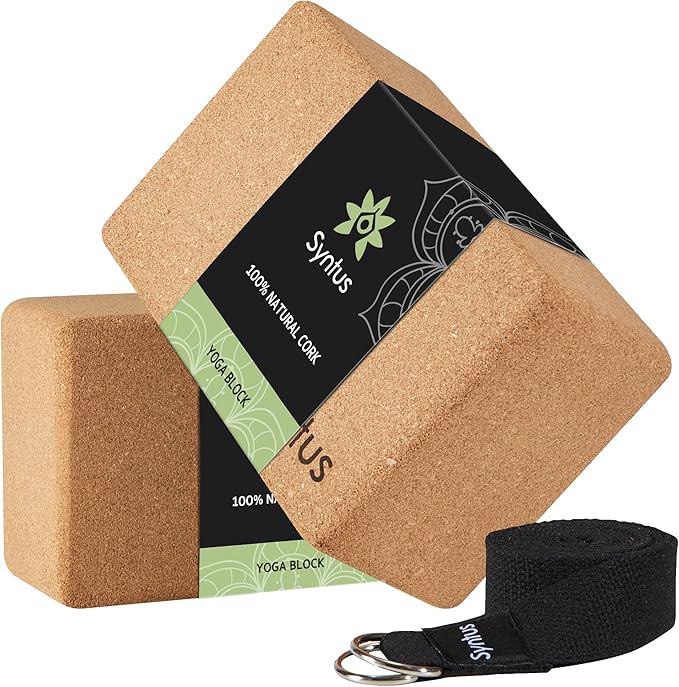

![Tumaz Yoga Strap/Stretch Bands [15+ Colors, 6/8/10 Feet Options] with Extra Safe Adjustable D-Ring Buckle, Durable and Comfy Delicate Texture - Best for Daily Stretching, Physical Therapy, Fitness](https://www.glowtheorylab.com/uploads/ad202604/d62cf3b7330d7d4a.webp)