
You’ve rolled out your mat, set your intention, and are ready to move and breathe. But sometimes, halfway through a sun salutation or a deep twist, your body feels heavy, sluggish, or just… off. The culprit might not be your practice, but what you ate before it. What you consume in the hours leading up to your session can profoundly influence your mobility, focus, and overall experience on the mat.
Nutritionists point out that certain foods can create internal friction—think bloating, gas, indigestion, or energy crashes—that directly opposes the lightness, openness, and mindful connection yoga seeks to cultivate. The goal isn’t to practice on an empty stomach, which can be just as distracting, but to choose foods that support your body’s need for steady energy and fluid movement. Here’s a look at five common food categories that experts suggest sidestepping before you step onto your mat.
Heavy, Greasy Foods
That cheeseburger, plate of fries, or creamy alfredo pasta might be satisfying at lunch, but it’s a recipe for discomfort during an afternoon or evening practice. High-fat foods take much longer to digest. Your body diverts significant blood flow and energy to your digestive system to break down those fats, which can leave you feeling lethargic and heavy.
More critically, a stomach busy processing a heavy meal is not a happy companion for forward folds, twists, or inversions. You might feel a tangible sense of fullness or even nausea. For optimal mobility and a sense of ease, allow at least three to four hours after a large, fatty meal before your practice. If you need a closer snack, opt for something light and easily digestible.
Think of your pre-yoga meal as fuel for movement, not a feast for digestion.
Carbonated Drinks and Sparkling Water
It might seem innocent, but that fizzy seltzer or diet soda can be a stealthy saboteur. The carbon dioxide that creates the bubbles gets trapped in your digestive tract as gas. When you move into poses that compress your abdomen—think Balasana (Child’s Pose) or Marichyasana—that trapped gas can cause significant bloating, pressure, and even cramping.
This physical distraction pulls your awareness away from your breath and alignment and directly into a feeling of discomfort. For the clearest, most open feeling in your core region, stick to still water or herbal tea in the hour or two before you begin.
Cruciferous Vegetables (Raw)
We’re talking about the nutritional powerhouses: broccoli, cauliflower, cabbage, Brussels sprouts, and kale. These vegetables are packed with fiber and a complex sugar called raffinose, which the human body lacks the enzyme to break down fully. Gut bacteria ferment it, which, while beneficial for long-term gut health, produces gas as a byproduct.
Eating them raw right before yoga amplifies this effect. The result can be a gassy, bloated abdomen that feels tight and restrictive, making deep belly breathing and spinal extension more challenging. If you love these veggies, enjoy them cooked (which breaks down some of the fibers) and allow plenty of time for digestion before your session.
Sugary Snacks and Refined Carbs
A candy bar, a sugary granola bar, or a white bagel might promise a quick energy boost, but it’s a short-lived one. These foods cause a rapid spike in your blood sugar, followed by a sharp crash as your body releases insulin to manage the influx. Starting your practice on the downslope of that crash can lead to lightheadedness, shakiness, and mental fog.
Yoga requires sustained physical energy and sharp mental focus. A sugar crash undermines both. Instead of a quick hit of refined sugar, choose snacks with a balance of complex carbohydrates, a little protein, and healthy fats for energy that releases slowly and steadily.
Spicy Foods
For some, a spicy meal can lead to heartburn or acid reflux, especially when bending forward or inverting. The burning sensation of reflux is more than just a distraction; it can make deep breathing uncomfortable and certain poses feel unappealing.
Even if you don’t experience full-blown heartburn, capsaicin (the compound that gives chili peppers their heat) can stimulate digestion and potentially cause discomfort or an urgent need for a bathroom break mid-session. It’s wise to save the spicy curry or hot sauce for a post-yoga meal when your body is in a more restful state.
What to Eat Instead
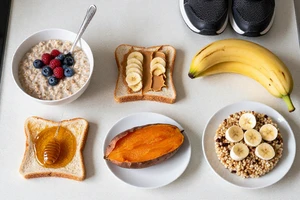
So what does a yoga-supportive pre-practice snack look like? Aim for something small, easily digestible, and balanced, consumed about 60 to 90 minutes before you start. Good options include a small banana with a spoonful of almond butter, a few whole-grain crackers with hummus, or a small cup of plain Greek yogurt with a handful of berries. The key is to listen to your own body. Notice how different foods make you feel during your practice and adjust accordingly. Your mobility and your mind will thank you.