
Balance is one of those things we tend to take for granted—until it starts to slip. For yoga beginners over 50, shaky standing poses or wobbling in Tree Pose can feel frustrating, but the good news is that balance is a skill you can rebuild at any age. These five expert-backed exercises are designed specifically for older beginners, with an emphasis on safety, stability, and gradual progress. No fancy props required, just a wall or chair for support and a willingness to start where you are.
Why Balance Changes After 50—and Why Yoga Helps
As we age, three things happen: muscle mass naturally decreases (sarcopenia), inner ear function can decline, and joint proprioception—your brain's awareness of where your body is in space—becomes less sharp. Yoga addresses all three. The slow, controlled movements build leg and core strength, while the focus on alignment retrains your nervous system to react quicker and more precisely. A 2015 study in the Journal of Alternative and Complementary Medicine found that older adults who practiced yoga for 12 weeks improved their balance scores by nearly 30 percent. You don't need to be flexible or have any yoga experience to benefit.
1. Wall-Assisted Tree Pose (Vrksasana)
Tree Pose is the classic balance posture, but for beginners over 50, doing it in the middle of the room sets you up for frustration. Instead, stand sideways next to a wall with your supporting hand resting lightly on it. Shift your weight to your standing foot and place the sole of the other foot against your inner calf, ankle, or thigh—whichever feels stable. Keep a micro-bend in your standing leg; locking the knee makes balance harder. Draw your navel toward your spine and gaze at a non-moving spot on the floor or wall. Hold for five calm breaths, then switch sides.
Why it works: The wall gives you permission to find your edge without fear of falling. Over time, you can reduce light finger-tip contact, then graduate to a floating hand an inch from the wall.
2. Chair-Backed Warrior III
Warrior III is demanding even for experienced yogis. The supported version uses a sturdy chair placed in front of you, backrest facing you. Hold the chair back with both hands and step one foot back about three feet. Hinge at your hips—keeping your spine long—to bring your torso parallel to the floor. Extend your lifted leg straight behind you at hip height, toes pointing down. Your standing leg should remain straight but not locked. Squeeze your glutes and actively press the back leg toward the wall behind you. Stay for four slow breaths before lowering with control.
Why it works: This move strengthens your hamstrings, glutes, and lower back simultaneously—key stabilizers for walking and climbing stairs. The chair ensures you can focus on alignment rather than on frantic balancing.
3. Single-Leg Stance on a Cushion (Proprioception Drill)
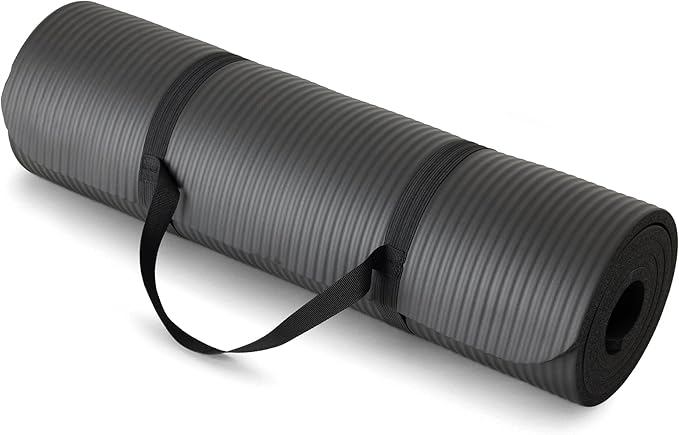
Start standing tall near a wall or counter. Place a folded yoga mat or a firm couch cushion on the floor. Step onto the cushion with one foot, and slowly lift the other foot an inch off the cushion. Keep your entire foot on the cushion (no gripping with toes). Hold for 10 to 15 seconds, or as long as you can stay steady. Repeat three times per foot. As you improve, try closing your eyes for the last five seconds—this challenges your inner ear and brain to work harder.
Why it works: The unstable surface forces micro-adjustments in your ankle and foot muscles. This is the same mechanism that prevents falls when you step on uneven ground outdoors.
4. Heel-to-Toe Walk (Tightrope Walk)
This exercise mimics the balance demands of real-life movement. Find a clear stretch of floor about 10 to 15 feet long. Place your right heel directly in front of your left toes, as if walking a tightrope. Take slow, deliberate steps, placing each heel exactly in front of the opposite toe. Keep your arms out to your sides for counterbalance at first. Walk forward ten steps, then turn around and return. Aim for two passes.
Why it works: This trains your vestibular system (inner ear) to coordinate with your visual cues and joint feedback. It is also a core component of many fall-prevention programs recommended by physical therapists for older adults.
5. Wall-Supported Half Moon (Ardha Chandrasana)
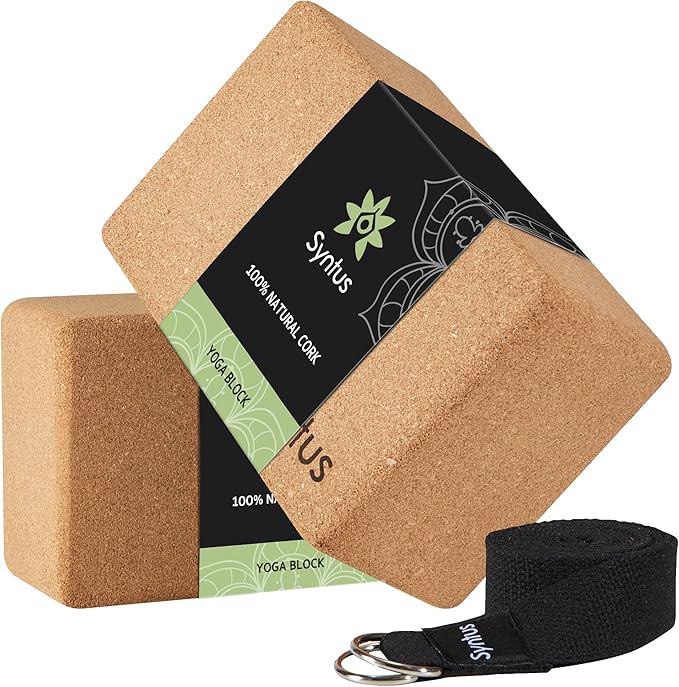
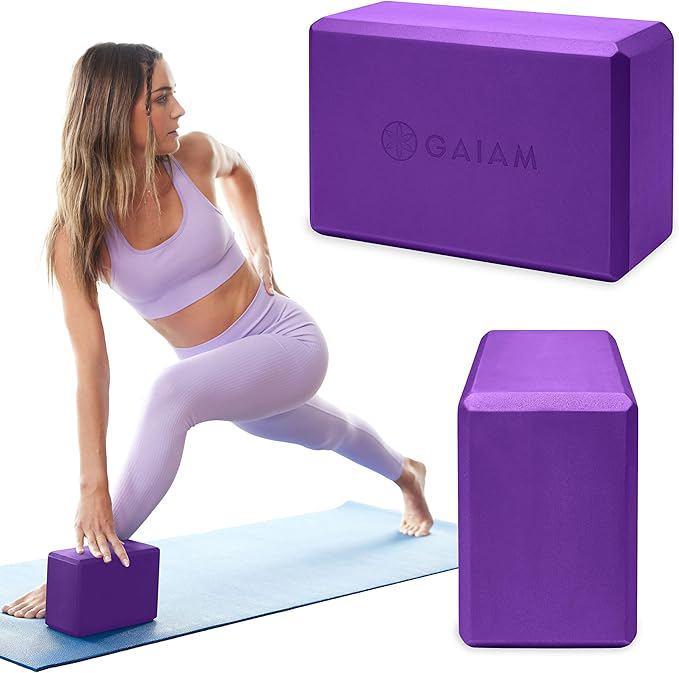
Half Moon Pose is beautiful but notoriously wobbly. In this version, position yourself about two feet from a wall, with your back to the wall. Place your left hand on a block or a stack of thick books on the floor. Shift weight into your left foot, and lift your right leg parallel to the floor. Gently press your right foot flat against the wall behind you—this gives instant feedback and stability. Open your chest toward the left, and extend your right arm straight up. Hold for four slow breaths, then switch sides.
Why it works: The wall under your lifted foot turns a challenging hip-opening balance into a supported stretch. It also opens your hamstrings and chest, which tend to tighten with age and hours spent sitting.
Safety First: A Quick Pause
If you feel sharp pain, dizziness, or extreme instability, stop and rest. These exercises are meant to challenge, not harm.
Always keep a sturdy surface within arm's reach. If you have a history of falls, inner ear disorders, or joint replacements, check with your doctor or a physical therapist before starting. Breathe steadily—holding your breath raises blood pressure and makes you more anxious, which hurts balance.
How Often Should You Practice?
Consistency matters more than duration. Five minutes daily of focused balance work yields better results than 30 minutes once a week. Try this routine three to four times per week on non-consecutive days. Your muscles and nervous system need recovery time to build new coordination pathways. Over the course of a month, you'll likely notice that standing on one foot to put on socks feels easier, or that you don't grab the railing as tightly on stairs.
Progression Tips
Once each exercise feels stable, reduce support gradually: use fewer fingers on the wall, switch from a chair to a wall, or stand on a flat surface instead of a cushion. The goal is not to do the hardest version—it is to stay safe while continuously challenging your system. Even yoga teachers use walls and props; it is not a step backward.