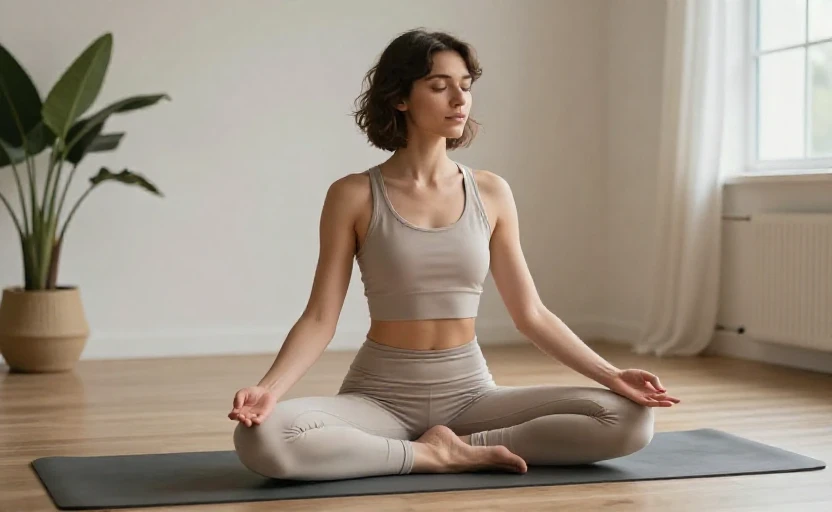
You unroll your mat, settle into a quiet space, and move through your familiar sequence. The poses feel good, but afterward, the tension from your day seems to creep right back in. If your yoga practice isn’t translating into lasting calm, it might not be the poses themselves—it could be the framework of habits surrounding them.
Yoga is a profound tool for managing stress, but its effectiveness hinges on how we approach it. It’s less about perfecting a handstand and more about cultivating a practice that genuinely soothes your nervous system. By weaving a few intentional habits into your daily routine, both on and off the mat, you can transform your practice from a physical break into a resilient foundation for peace.
Start before you step on the mat
The tone for your practice is often set in the minutes leading up to it. Rushing from a hectic task directly into Downward Dog means your mind is still racing, playing catch-up with your body. Creating a brief transitional ritual signals to your nervous system that it’s time to shift gears.
This doesn’t need to be elaborate. It could be as simple as washing your hands with cool water and taking three conscious breaths before unrolling your mat. Or, you might spend two minutes sitting quietly, setting a soft intention—not a goal like “nail my balance,” but a quality like “ease” or “curiosity.” This small act of pause separates your practice from the clutter of the day and allows you to arrive more fully.
The most effective yoga for stress begins with the decision to transition from doing to being.
Listen to what your body needs today
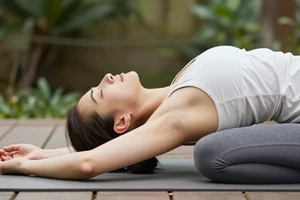
A rigid, same-sequence-every-day approach can sometimes become another source of pressure. True stress-responsive yoga is adaptive. Some days, your system might need vigorous movement to release pent-up energy. On others, you may genuinely need the deep, quiet restoration of supported poses.
Before you begin, take a moment for a quick internal scan. Ask yourself: What does my body feel like today? Is there agitation that needs to be moved, or exhaustion that needs to be held? Let that answer guide your choice. A flow with Sun Salutations might be perfect one day, while a practice consisting entirely of gentle hip openers and long Savasana is exactly right the next. Honoring this fluctuation is key to meeting your actual stress levels, not the idea of what your “practice should be.”
Integrate mindfulness, not just movement
The physical postures are only one limb of yoga. The magic for stress reduction often lies in weaving the other limbs—particularly pranayama (breath regulation) and pratyahara (sense withdrawal)—into your asana practice.
Instead of moving mechanically from pose to pose, use your breath as the primary guide. Make your inhalations and exhalations slow, even, and audible. Let the breath initiate the movement: inhale to expand or lengthen, exhale to fold or release tension. This anchors your awareness in the present moment, preventing the mind from spiraling into past worries or future anxieties.
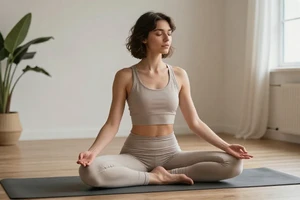
Furthermore, practice softening your gaze or closing your eyes in stable poses. This simple act of turning attention inward helps disengage from external stimuli and cultivates the inner quiet that counteracts stress.
Carry the calm off the mat
The ultimate test of your practice’s effectiveness is how you feel an hour later when a work email pings or you’re stuck in traffic. To build this resilience, create micro-habits that extend the state of your practice into daily life.
- Anchor to your breath. Choose one routine activity—like waiting for your coffee to brew or brushing your teeth—as a trigger to take five conscious, deep breaths.
- Practice mindful transitions. After your yoga session, avoid immediately jumping on your phone. Sit for a moment with a cup of tea, or simply look out the window, preserving the quiet space you’ve created.
- Incorporate mini-restoratives. When feeling overwhelmed, take a two-minute “desk Savasana” by leaning back in your chair, closing your eyes, and placing your hands on your belly to feel the breath.
These tiny actions reinforce the neural pathways of calm, making that peaceful state more accessible throughout your day.
Create a supportive environment
Your surroundings can either support or sabotage your intention for a stress-reducing practice. A cluttered, noisy space can be a subtle distraction. While you don’t need a dedicated yoga room, a few adjustments can make a significant difference.
If possible, practice in the same quiet corner of a room. Keep your mat and any props—like a block or a blanket—easily accessible. Consider the lighting; softer, natural light is more calming than harsh overhead lights. You might add a single candle or use a diffuser with a calming scent like lavender or sandalwood. The goal is to create a sensory environment that whispers “peace” to your nervous system before you even begin to move.
When to seek guidance
If you feel stuck or your stress feels unmanageable, exploring your practice with a knowledgeable teacher can be invaluable. A few sessions, whether in-person or online, can provide personalized cues for alignment and relaxation you might not discover on your own. Look for instructors who emphasize the therapeutic and mindful aspects of yoga, not just advanced physical postures.
Be patient with the process
Stress reduction through yoga is a practice, not a quick fix. Some days will feel deeply connecting; others might feel frustratingly scattered. That’s normal. The habit itself—the consistent return to the mat with kindness—is what rebuilds your capacity to handle stress over time. It’s the repeated act of turning inward that gradually rewires your default response from reactivity to resilience.
By focusing on these daily habits surrounding your practice, you shift the emphasis from performance to presence. You stop just doing yoga and start letting yoga do its work on you, weaving threads of calm into the very fabric of your day.