Starting yoga at 50 or beyond is one of the smartest decisions you can make for your body. It builds strength, improves flexibility, and—perhaps most importantly—sharpens your balance. But here’s the thing no one tells you: a few common habits, done in the name of “trying hard,” can actually work against your stability. If you’ve been feeling wobbly in poses that look simple, or if you’ve lost confidence on your mat, you are not alone. The problem is almost always these three routine mistakes.
Mistake 1: Gripping the Floor with Your Toes
Many newcomers believe that curling their toes under and digging them into the mat will give them a solid foundation. While this feels secure in the moment, it actually creates tension that travels up the chain. Your ankles lock, your knees stiffen, and your hips lose their natural ability to micro-adjust. Balance is not a static grip; it is a dynamic, subtle conversation between your feet and the ground.
Instead, try spreading your toes wide and pressing down evenly through the four corners of each foot—the big toe mound, the little toe mound, the inner heel, and the outer heel. Think of your foot as a tripod. When you relax the toes and let the whole sole connect, your brain receives clearer signals about where your body is in space. This is the foundation of standing poses like Mountain Pose (Tadasana) or Tree Pose (Vrikshasana).
A calm foot creates a calm nervous system. A calm nervous system holds steadiness better than any clenched muscle can.
Mistake 2: Rushing the Transition Between Poses
The second trap is speed. After 50, connective tissues and joints benefit from a slower, more deliberate pace. Rushing from Downward Dog into a lunge, or moving quickly out of a balance pose into the next one, robs your body of the time it needs to reorganize its weight. This is where falls happen—not in the pose itself, but in the moment you leave it.
Treat every transition as its own mini-pose. When coming out of Warrior II, pause before straightening the front leg. When stepping forward from Downward Dog, hover the foot for half a breath before placing it. This practice, sometimes called “mindful transitions,” trains your proprioceptors—the sensors that tell your brain where your limbs are—to stay engaged. Over time, your balance will feel less like luck and more like skill.
Mistake 3: Neglecting the Supporting Leg
In standing balance poses, most of your mental energy goes to the lifted leg or the arm reaching overhead. That is a trap. The real work of balance happens in the leg that is planted on the earth. If that leg is soft, externally rotated, or locked straight, the whole structure wobbles.
For example, in Tree Pose, beginners over 50 often focus too much on where to place the foot on the inner thigh and not enough on grounding through the standing hip, knee, and ankle. The standing leg should be slightly bent at first—a micro-bend in the knee—and the standing hip should feel active, as if you are pressing it backward. Engage the glute of the standing leg gently. That muscular engagement creates a stable pillar from which the rest of the pose can lift.
Why These Mistakes Hit Harder After 50
As we age, our vestibular system (inner ear balance), vision, and proprioception all decline slightly. This is normal. But the good news is that yoga directly trains all three systems. The reason these mistakes hurt balance more at 50 is that your body has less margin for error. Your reaction time slows, and muscle mass naturally decreases. That means compensatory patterns—like gripping with toes or rushing—are less forgiving.
The solution is not to stop practicing. It is to refine your practice. Slower reps, deliberate foot placement, and more attention to the standing leg will yield faster gains than trying to push through advanced poses too soon.
How to Safely Rebuild Balance
If you are ready to improve, start with these three corrections:
- Practice barefoot on a non-slip mat. Shoes or grippy socks dull the feedback from the floor. Bare feet give you raw data.
- Use a wall or chair for support in standing poses until you can hold them without wobbling for five steady breaths. There is no shame in support; it builds trust.
- Incorporate single-leg balance drills off the mat. Stand on one foot while brushing your teeth. It sounds simple, but it rewires the neural pathways that keep you steady.
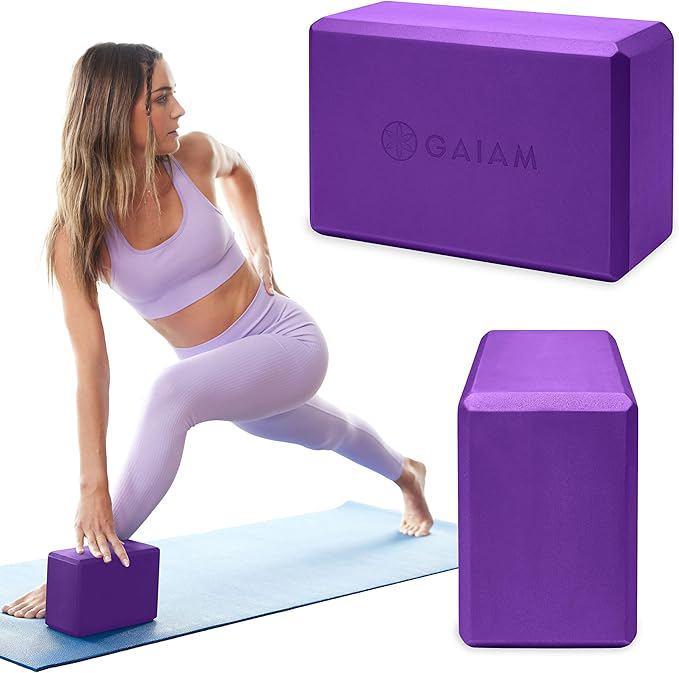
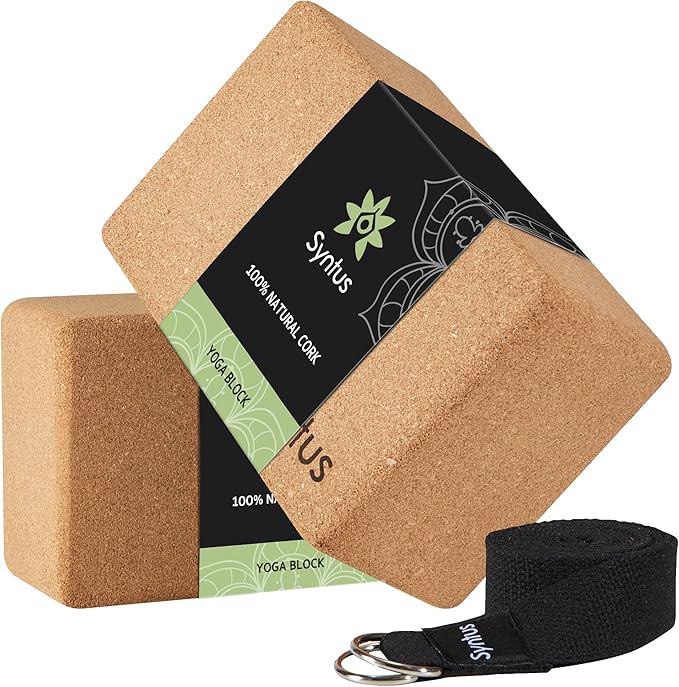
Finally, listen to the quiet voice of your body. If a pose feels unsteady, back off slightly or use a block under your hand. Balance is not about forcing; it is about finding the position where your skeleton stacks naturally over your base of support. When you stop fighting gravity and start working with it, the wobble fades.



![Tumaz Yoga Strap/Stretch Bands [15+ Colors, 6/8/10 Feet Options] with Extra Safe Adjustable D-Ring Buckle, Durable and Comfy Delicate Texture - Best for Daily Stretching, Physical Therapy, Fitness](https://www.glowtheorylab.com/uploads/ad202604/d62cf3b7330d7d4a.webp)