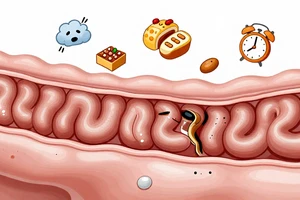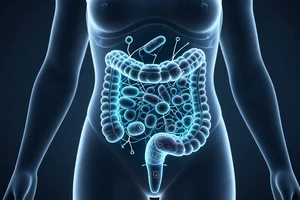
If you’ve been exploring the world of gut health, you’ve likely encountered the term ‘leaky gut.’ It describes a condition where the lining of the small intestine becomes more permeable than it should be, potentially allowing undigested food particles, toxins, and microbes to pass into the bloodstream. This can trigger inflammation and a host of uncomfortable symptoms, from bloating and fatigue to joint pain and skin issues. While the concept is still being researched, many people find that focusing on gut-friendly foods brings significant relief.
Think of your gut lining as a finely woven net. When it’s healthy, it allows properly digested nutrients to pass through while keeping larger, harmful substances contained. A ‘leaky’ gut has wider holes in that net. Nutrition plays a starring role in either maintaining the integrity of that net or contributing to its wear and tear. This guide walks you through the foundational foods that can help soothe, repair, and strengthen your gut lining, creating an environment where your digestive system can truly thrive.
What does a gut-friendly plate actually look like?
There’s no single magic bullet for gut repair. Instead, it’s about consistently choosing foods that reduce inflammation, provide the raw materials for healing, and support a balanced microbiome—the community of bacteria living in your intestines. The goal is to eat in a way that minimizes irritation and maximizes nourishment.
This approach often emphasizes whole, anti-inflammatory foods while temporarily reducing or eliminating those known to be common irritants. It’s less about a restrictive ‘diet’ and more about building a sustainable, nutrient-dense way of eating that makes your gut feel calm and supported.
Foods to embrace for gut lining support
These are the pillars of a gut-healing dietary pattern. They work together to reduce the workload on your digestive system and supply the nutrients essential for repairing the intestinal lining.
Bone broth and collagen-rich foods
Bone broth is rich in gelatin, glutamine, and collagen—amino acids that are fundamental building blocks for the gut lining. Glutamine, in particular, is a primary fuel source for the cells that line your intestines, helping to maintain their structure and function. While you can sip bone broth, collagen peptides can also be easily stirred into coffee, smoothies, or soups.
Incorporating collagen or gelatin isn’t about a quick fix; it’s about providing consistent, daily support for the tissues that renew themselves every few days.
Fermented foods (Probiotics)
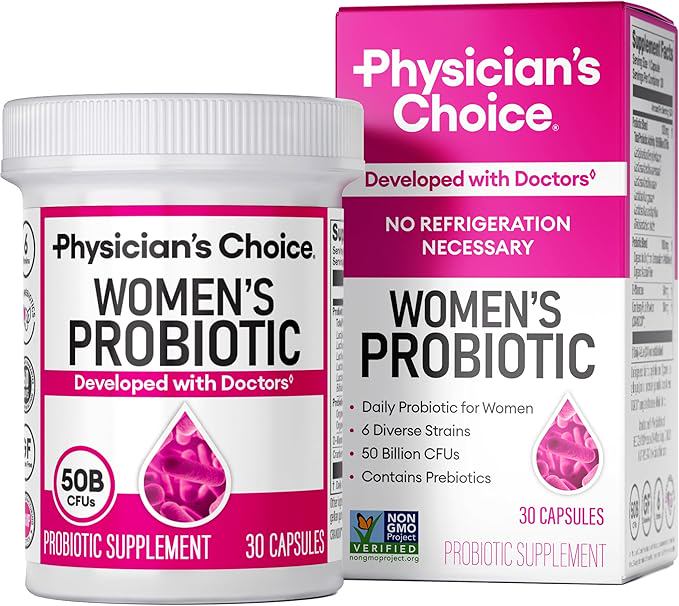
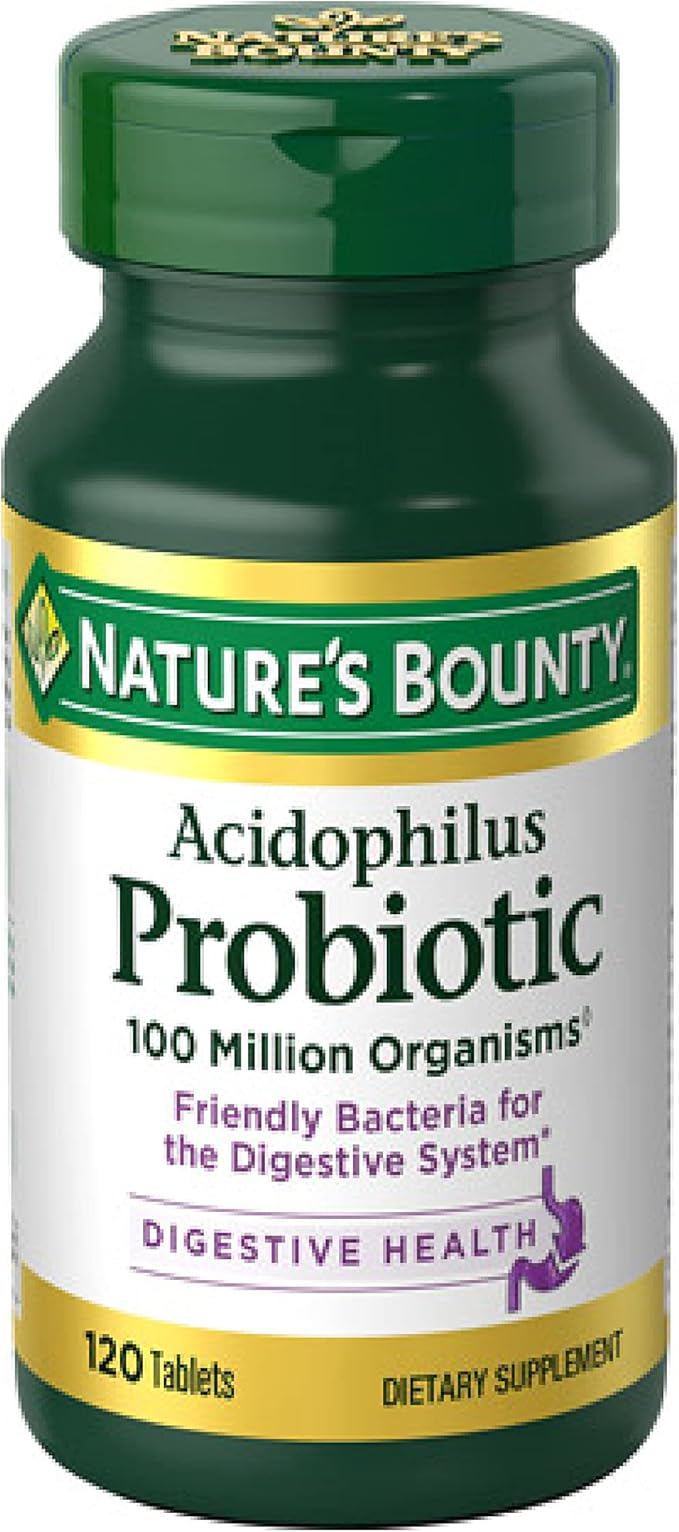
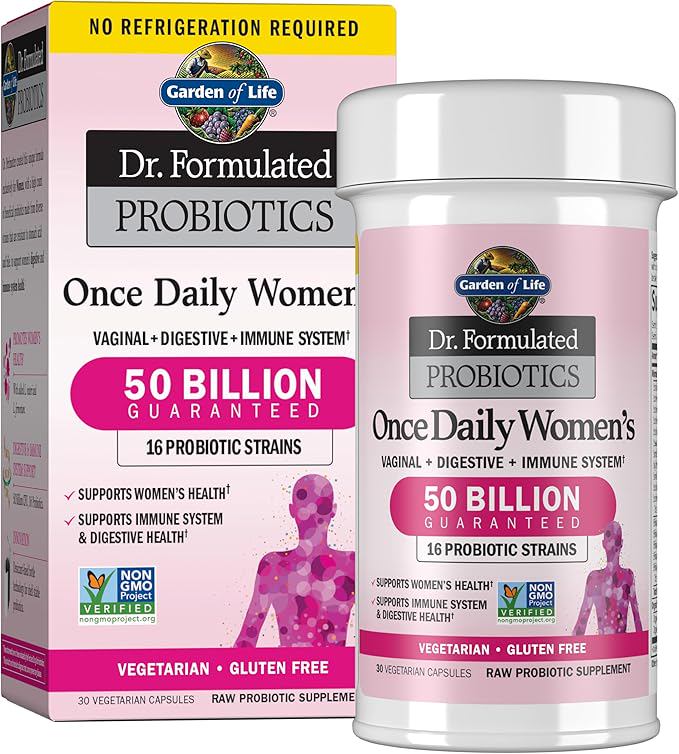
These are your natural sources of beneficial bacteria. By introducing live cultures, you help populate your gut with microbes that support a healthy intestinal barrier and crowd out less helpful ones. Diversity is key here.
- Sauerkraut & Kimchi: Fermented cabbage, rich in fiber and live cultures.
- Plain Yogurt & Kefir: Look for options with live, active cultures and no added sugars.
- Kombucha: A fermented tea; choose varieties lower in sugar.
- Miso & Tempeh: Fermented soy products that add depth and probiotics to meals.
Start slowly with these to allow your system to adjust.
Prebiotic fibers (Food for your good bacteria)
You can’t have a conversation about probiotics without mentioning prebiotics. These are the types of fiber that your good gut bacteria eat. Feeding them helps them thrive and produce short-chain fatty acids, like butyrate, which are crucial for gut lining health.
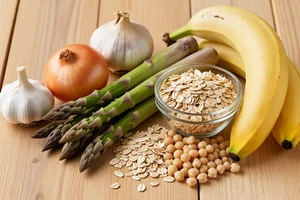
Excellent sources include garlic, onions, leeks, asparagus, Jerusalem artichokes, dandelion greens, and under-ripe bananas. Cooked and cooled potatoes and rice also develop resistant starch, a type of prebiotic fiber.
Healthy, anti-inflammatory fats
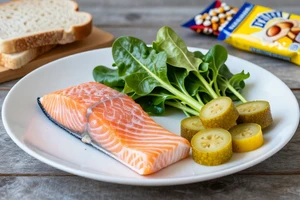
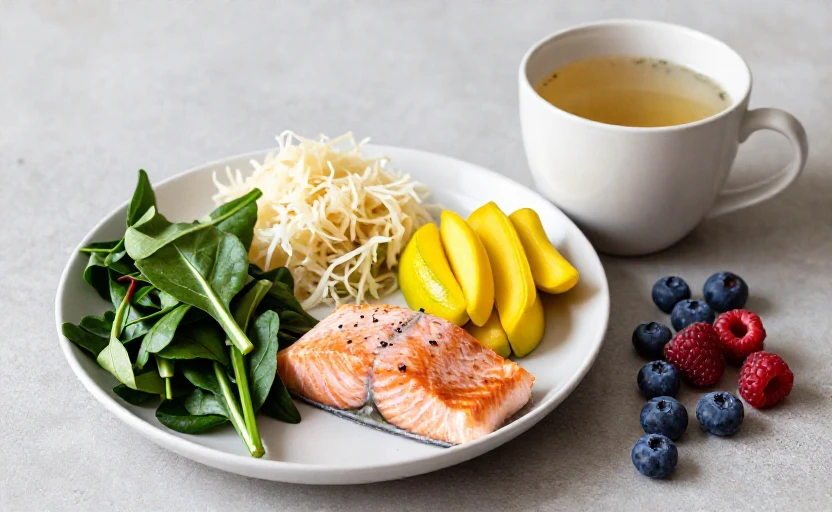
A robust gut lining needs the right fats. Omega-3 fatty acids, found in fatty fish like salmon and sardines, as well as in walnuts and flaxseeds, are powerfully anti-inflammatory. Monounsaturated fats from olive oil and avocados are also gentle and supportive. These fats help construct cell membranes and reduce the systemic inflammation that can exacerbate gut permeability.
Non-starchy vegetables and low-sugar fruits
Vegetables are packed with antioxidants and phytonutrients that combat oxidative stress in the gut. Prioritize a rainbow of cooked or easily digestible raw veggies like spinach, zucchini, carrots, and cucumbers. For fruits, opt for lower-sugar options like berries, which provide antioxidants without a major fructose load.
Foods and substances to approach with caution
While the ‘eat more’ list is encouraging, understanding what to limit is equally important. These are common dietary triggers that may contribute to inflammation and gut lining irritation for many people, especially when consumed in excess or when the gut is already vulnerable.
- Refined Sugars and Processed Foods: These can promote the growth of less desirable gut bacteria and yeast, disrupt the microbiome, and drive inflammation.
- Excessive Alcohol: Alcohol can directly irritate the gut lining and increase permeability.
- Common Food Sensitivities: Gluten and dairy are frequent culprits. The proteins in these foods (like gliadin in wheat and casein in milk) can be difficult for some people to break down and may trigger an immune response that damages the gut lining.
- Industrial Seed Oils: Oils high in omega-6 fats, like soybean, corn, and sunflower oil, can promote inflammation when not balanced with omega-3s.
This doesn’t mean you must eliminate these forever. The idea is to notice patterns. You might try a temporary elimination of a suspected trigger (like gluten or dairy) for a few weeks, then reintroduce it carefully while observing symptoms, ideally with guidance from a dietitian or doctor.
Building your gut-friendly meals
Putting this into practice is simpler than it sounds. Each meal is an opportunity to combine these healing elements.
A sample day might look like this:
Breakfast: A smoothie with coconut milk, collagen peptides, spinach, berries, and a spoonful of almond butter.
Lunch: A large salad with grilled salmon, mixed greens, avocado, shredded carrots, and an olive oil-lemon dressing, with a side of sauerkraut.
Dinner: A stir-fry of chicken, zucchini, and broccoli in a ginger-garlic sauce served over cauliflower rice, topped with fresh herbs.
The consistent themes are quality protein, healthy fats, a variety of vegetables, and the inclusion of fermented or collagen-rich foods. Drinking plenty of water and managing stress are non-negotiable companions to this way of eating.
A gentle reminder on your journey
Dietary changes for gut health are profoundly personal. What works beautifully for one person may need tweaking for another. The framework here is a strong, evidence-based starting point built on reducing inflammation and nourishing the gut lining. Pay close attention to how you feel. Improvements in energy, digestion, skin, and mood are your best indicators that you’re on the right track.
If you have a diagnosed digestive condition or significant symptoms, partnering with a registered dietitian who specializes in gut health can provide personalized guidance and ensure your nutritional needs are fully met as you work toward healing.