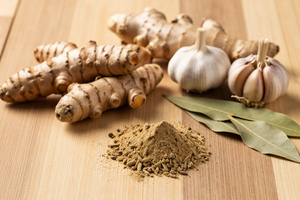

Eating nutritious food is only half the battle. The other half depends on how well your body actually extracts and uses those vitamins, minerals, and phytonutrients. Even a perfect salad can fall short if your digestion isn't primed to absorb what's on the plate. The good news is that certain everyday herbs and spices do more than add flavor—they actively support the digestive process and can help your body make the most of the food you eat.
Rather than overhauling your entire diet, small additions can create a big shift. Here’s a practical look at nine kitchen staples that can help improve gut flora, ease common digestive discomforts, and support better nutrient uptake over time.
Cardamom: Gentle Relief for Cramping and Bloating
Cardamom has a long history in traditional digestive wellness. Its natural antioxidant and anti-inflammatory properties can help ease gas, cramping, and nausea. Because it also acts as a mild diuretic and antispasmodic, it may help reduce the bloated feeling that sometimes follows a heavy meal. Try adding a crushed pod to your tea or simmering it in rice dishes.
Ginger: A Multi-Tool for Upset Stomachs
Few herbs are as well-studied for gut comfort as ginger. It is widely used to calm nausea, reduce bloating, and settle an upset stomach. Some research also suggests it can help with heartburn by supporting stomach motility—meaning food moves through more efficiently. A warm cup of ginger tea is one of the simplest ways to incorporate it, but fresh ginger also works well in stir-fries, broths, or smoothies.
Turmeric: Reducing Inflammation Along the Digestive Tract
Turmeric’s active compound, curcumin, is known for its broad anti-inflammatory effects. When it comes to digestion, this can translate to less gut inflammation and better overall comfort after eating. Turmeric also has antibacterial and antifungal properties that support a healthy microbial balance. To enhance absorption, pair it with black pepper and a little fat—like a pinch of oil or a splash of coconut milk.
Cumin: Targeting Gas and Acidity
Cumin is a powerful herb for managing indigestion and acidity. It can stimulate digestive enzymes, which may help break down food more thoroughly and reduce gas. Some people find it particularly useful after meals that tend to linger heavily. A note on moderation: while cumin is generally safe, very large amounts can cause heartburn or other side effects, so a sprinkle on vegetables or legumes is plenty.
Fennel: Soothing the Gastrointestinal Muscles
Fennel seeds offer a mild, licorice-like flavor and a strong reputation for reducing bloating and stomach cramps. They’re rich in iron, calcium, and magnesium, and they help relax the smooth muscles of the intestinal tract. Chewing a teaspoon of roasted fennel seeds after a meal is a traditional practice that many still find effective for easing fullness.
Garlic: Prebiotic Support for Good Gut Bacteria
Garlic is more than a flavor base—it’s a natural source of prebiotic fibers, which feed the beneficial bacteria living in your gut. A healthy population of these microbes is essential for proper digestion and nutrient absorption. Garlic may also help relieve symptoms of irritable bowel syndrome, gas, and constipation. For best results, crush or chop fresh cloves and let them sit for a few minutes before cooking to activate their beneficial compounds.
Cloves: Gut Immunity and Diarrhea Relief
Cloves are rich in antioxidants and have antimicrobial properties that support the immune defenses of the digestive tract. They are also traditionally used to soothe mild diarrhea. Their strong, warming flavor means a little goes a long way—try adding a pinch to stews, teas, or even in a small amount to your morning oatmeal.
Cinnamon: Encouraging Beneficial Gut Bacteria
Cinnamon can be a valuable ally for gut health because of its prebiotic-like effects. It helps promote the growth of beneficial bacteria in the gut, which plays a key role in nutrient absorption and overall digestion. Cassia cinnamon is the most common variety, but Ceylon cinnamon is a milder option if you prefer a subtler taste. Either way, a sprinkle on oatmeal, roasted fruit, or coffee can add both flavor and function.
Peppermint: Indigestion and Nausea Relief
Peppermint is well-known for relaxing the muscles of the digestive tract, making it an effective option for relieving indigestion, gas, and nausea. Its calming effect also extends to the nerves, which can help with stress-related digestive discomfort. Peppermint tea is an excellent after-dinner choice, but enteric-coated peppermint oil capsules are another option for those with recurring IBS-like symptoms.
These herbs and spices aren’t hard to find—most are already in your kitchen cabinet or available at any grocery store. By adding them to your meals in small, consistent ways, you can support your digestion and help your body absorb more of the nutrients you’re already eating. Start with one or two that match your most common discomforts, and pay attention to how your body responds. Better absorption often starts with a calmer, happier gut.