
As we get older, the yoga mat can start to feel a little less like a sanctuary and a little more like a tightrope. Balance—both literal and physical—becomes a daily practice, not a given. While strengthening your core and practicing your tree pose are key, what lands on your plate plays a surprisingly direct role in how steady you feel on your feet.
After 50, our bodies need specific nutritional support to maintain muscle mass, joint lubrication, and the kind of stable blood sugar that keeps us from feeling wobbly mid-flow. We spoke to registered dietitians who specialize in active aging, and they consistently point to four foods that can make a real difference for yoga practitioners over 50.
1. Fatty fish: the anti-inflammatory anchor
Salmon, mackerel, and sardines are rich in omega-3 fatty acids (EPA and DHA). These compounds are not just good for your heart—they directly support joint health and reduce systemic inflammation. For a yoga practice, that means less creaky stiffness in the hips and knees when you shift into a lunge or try to hold a standing balance.
Dietitians note that the DHA in fatty fish also supports the cerebellum, the part of the brain responsible for coordinating movement and balance. Aim for two 3-ounce servings per week. If you don't eat fish, algae-based omega-3 supplements are a solid alternative.
Quick tip: A light dinner of grilled salmon with steamed greens can leave you feeling agile and clear-headed for a morning practice.
2. Dark, leafy greens: the magnesium boost
Spinach, kale, Swiss chard, and collard greens are dense with magnesium—a mineral that becomes harder to absorb as we age. Magnesium plays a key role in muscle relaxation and nerve signaling. If your legs tremble during standing balances or you experience nighttime cramps, you might be low on this nutrient.
These greens are also rich in vitamin K, which supports bone density. Stronger bones mean more confidence when you're on one leg. A simple way to incorporate them is to add a handful of spinach to a smoothie or sauté chard as a side dish three to four times a week.
3. Plain Greek yogurt: protein and gut support
Yoga after 50 demands muscle—not bulk, but endurance and control. Greek yogurt delivers about 15–20 grams of protein per serving, along with calcium for bone strength. The probiotics found in plain, unsweetened varieties also support gut health, which is increasingly linked to better mood and cognitive clarity.
You don't need a protein shake. A small bowl of Greek yogurt with a handful of berries and almonds an hour before practice gives you steady energy without weighing you down. The calcium and vitamin D duo is especially important for women over 50, who face a higher risk of osteoporosis.
4. Nuts and seeds: the balance stabilizers
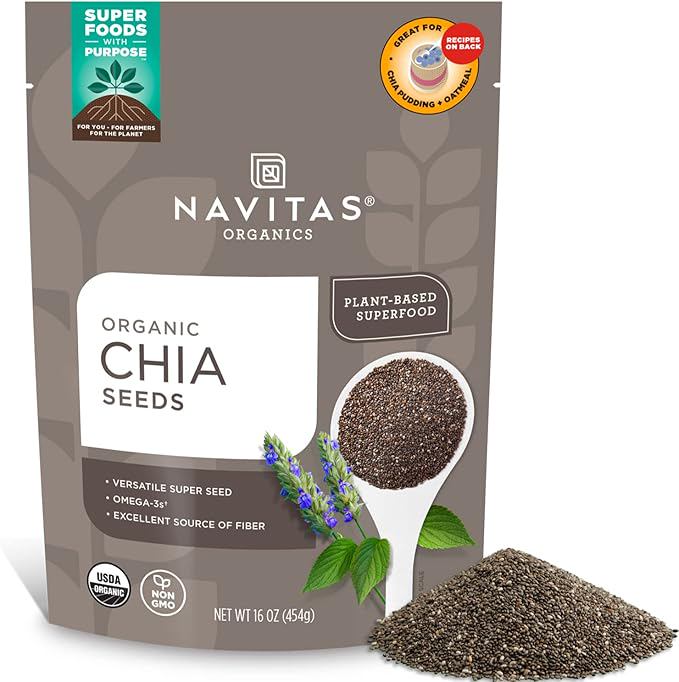
Walnuts, almonds, chia seeds, and flaxseeds are small packages of big benefits. They provide vitamin E, magnesium, and healthy fats that support nerve function and reduce oxidative stress in the joints. Almonds are also a decent source of riboflavin (vitamin B2), which helps maintain the myelin sheath around nerves—essential for quick, coordinated movement.
Sprinkle ground flaxseeds into oatmeal or yogurt, or keep a small bag of almonds in your gym tote. A handful of walnuts can also help stabilize blood sugar, preventing the dizzy spells that can throw off your gaze during balancing poses.
Building a balance-supporting plate
The most effective approach isn't a single meal—it's consistency. Think of each of these foods as a different pillar supporting your practice. You don't need to overcomplicate things:
- Breakfast: Greek yogurt with flaxseeds and berries
- Lunch: A spinach and kale salad topped with grilled salmon or chickpeas
- Snack: A handful of almonds and an apple
- Dinner: Leafy greens sautéed with garlic, served alongside lean protein and roasted vegetables
Hydration is another crucial piece. Even mild dehydration can impair balance and focus. Drink water consistently throughout the day, not just during class.
What to watch out for
It's not just about what you add—it's also what you might need to reduce. Excess salt can increase blood pressure and lead to fluid retention, making joints feel stiff. Refined sugars and highly processed foods can trigger inflammation, which works against everything your practice is trying to do.
If you have specific medical conditions like kidney disease or gout, talk to your doctor before making major dietary shifts. The goal here is gentle, sustainable support—not a rigid overhaul.