
When your lower back is throbbing or a dull ache settles between your shoulder blades, reaching for a pain reliever is usually the first instinct. But what if the path to relief started in your kitchen? Nutrition plays a surprisingly direct role in how our bodies manage pain signals, inflammation, and muscle recovery. Dietitians increasingly point to specific foods that can help calm the nervous system and reduce the chronic inflammation that often underlies back pain.
Instead of looking for a quick fix, think of your meals as a gentle, steady support system for your spine and the muscles surrounding it. These five foods are not a cure, but they are powerful tools that can help your body find a state of calm and focus, even when discomfort is present.
1. Fatty Fish: The Omega-3 Powerhouse
Salmon, mackerel, sardines, and anchovies are rich in omega-3 fatty acids, specifically EPA and DHA. These fats are well-studied for their ability to reduce inflammation at the cellular level. For back pain—especially when linked to conditions like arthritis or general muscle stiffness—lowering systemic inflammation can directly reduce pain intensity.
Think of omega-3s as a gentle dimmer switch for your body's inflammatory response. They don't turn it off completely (inflammation is essential for healing), but they help prevent it from flaring too brightly.
Dietitians suggest incorporating fatty fish into your meals at least twice a week. Grilled salmon with a side of roasted vegetables or sardines on whole-grain toast are simple, effective ways to get these benefits.
2. Tart Cherries: Natural Muscle Relaxers
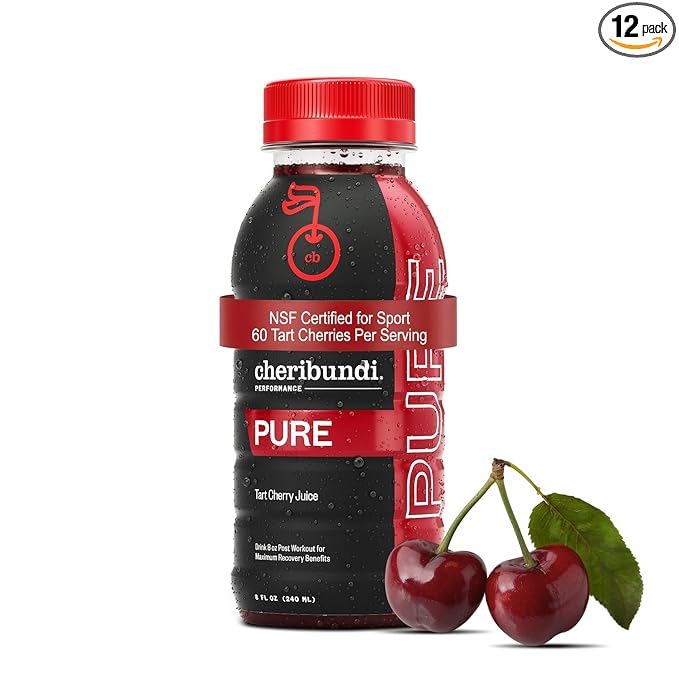
Tart cherries, whether fresh, frozen, or as a concentrated juice (without added sugar), are one of the few food sources rich in melatonin and powerful antioxidants called anthocyanins. These compounds have been shown to reduce oxidative stress and muscle pain after exercise, and some research suggests they can help with chronic pain conditions.
The anthocyanins in cherries work by blocking the same inflammatory pathways that some over-the-counter pain medications target. For back pain that feels tight, spasmodic, or related to overuse, a small glass of tart cherry juice before bed may help you sleep more soundly and wake up feeling less stiff.
3. Leafy Greens: Magnesium for Muscle Function
Spinach, kale, Swiss chard, and collard greens are packed with magnesium, a mineral that is crucial for proper muscle relaxation and nerve function. Many people with chronic back pain have low magnesium levels, which can contribute to muscle tension, spasms, and poor sleep quality.
Magnesium helps regulate the neurotransmitter GABA, which promotes calmness in the brain and nervous system. When your back muscles are constantly contracted in response to pain, magnesium can help them release. A big salad with dark leafy greens, or a smoothie with a handful of spinach, is an easy dietary addition. Dietitians note that cooking greens like spinach slightly can actually make the magnesium more bioavailable.
4. Turmeric and Black Pepper: The Anti-Inflammatory Duo
Turmeric contains curcumin, a compound that has been extensively studied for its ability to inhibit inflammatory molecules like COX-2 and NF-kB. However, curcumin is poorly absorbed on its own. The key to making it effective is pairing it with black pepper, which contains piperine, a natural substance that dramatically increases curcumin absorption.
For back pain, turmeric can be used as a daily spice in soups, stews, rice dishes, or golden milk lattes. A typical suggestion is to add a teaspoon of turmeric and a pinch of black pepper to your cooking. While supplements exist, whole-food sources in a culinary context are a safe and effective starting point for most people.
5. Bone Broth or Collagen-Rich Foods: Support for Connective Tissue
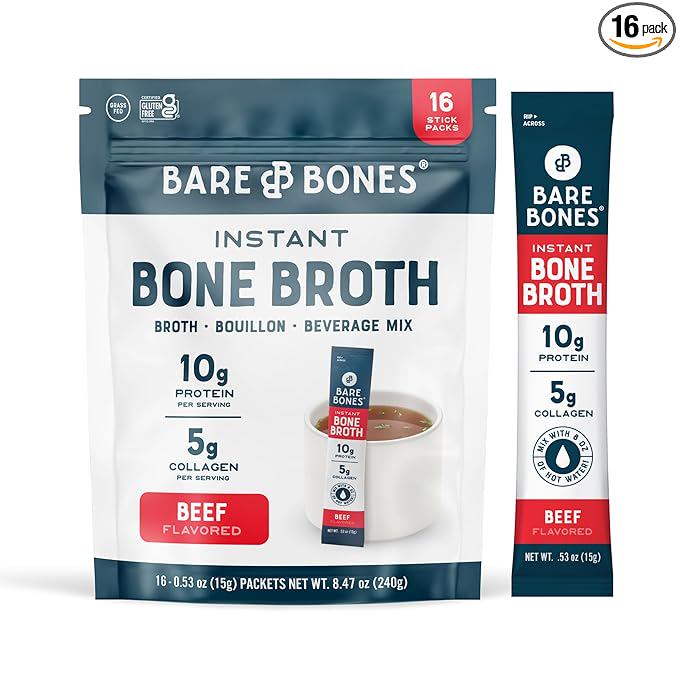
The spine is supported by a complex network of ligaments, tendons, and discs. These connective tissues rely on specific nutrients, particularly glycine and proline, which are abundant in collagen. Bone broth, made by simmering animal bones for hours, is a natural source of collagen, gelatin, and minerals like calcium and phosphorus.
While the evidence for collagen directly treating back pain is still emerging, dietitians recommend it for general joint and disc health. The glycine in bone broth also has a calming effect on the nervous system, which can help with the stress response that often accompanies chronic pain. A warm cup of bone broth in the evening can serve as both a nutrient boost and a ritual of relaxation.
A final thought on focus and calm: Pain is not just a physical sensation—it is also processed by your brain. Foods that stabilize blood sugar (like those high in fiber and protein) and those that support gut health (like fermented foods) can indirectly improve your ability to focus and find calm. When your body is not fighting inflammation or dealing with blood sugar crashes, you have more mental bandwidth to cope with pain and use other strategies like gentle yoga or breathing exercises.