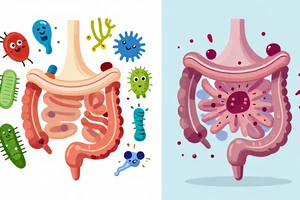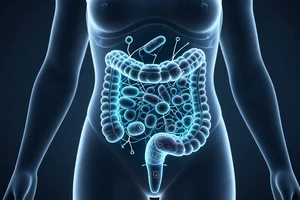
When we think about eating for our health, we often focus on calories, macronutrients, or heart health. But there’s a quieter, equally vital system that thrives on what we feed it: our gut. The community of microbes living in our digestive tract—our gut microbiome—plays a profound role in everything from digestion and immunity to mood and inflammation. The good news is that one of the most direct ways to support this inner ecosystem is through the simple, daily choices we make at the table.
Rather than a restrictive diet, think of it as a process of addition. By consistently incorporating a variety of gut-friendly foods, you can cultivate a more resilient and balanced microbiome. The goal isn’t perfection, but a steady, nourishing pattern that gives your gut the tools it needs to thrive.
What makes a food gut-friendly?
Gut-friendly foods generally fall into two supportive categories. First, there are prebiotics. These are specific types of fiber that our human cells can’t digest, but they serve as premium fuel for the beneficial bacteria in our colon. Feeding these good microbes helps them multiply and produce beneficial compounds.
The second category is probiotic-rich foods. These contain live, active cultures of beneficial bacteria themselves. Consuming them introduces more of these helpful strains into your digestive system. Together, a diet rich in both prebiotics and probiotics creates an environment where a diverse, healthy microbiome can flourish.
Seven foods to welcome to your plate
Variety is key for gut health, as different fibers feed different bacteria. Aim to include several of these foods throughout your week.
1. Oats and Barley
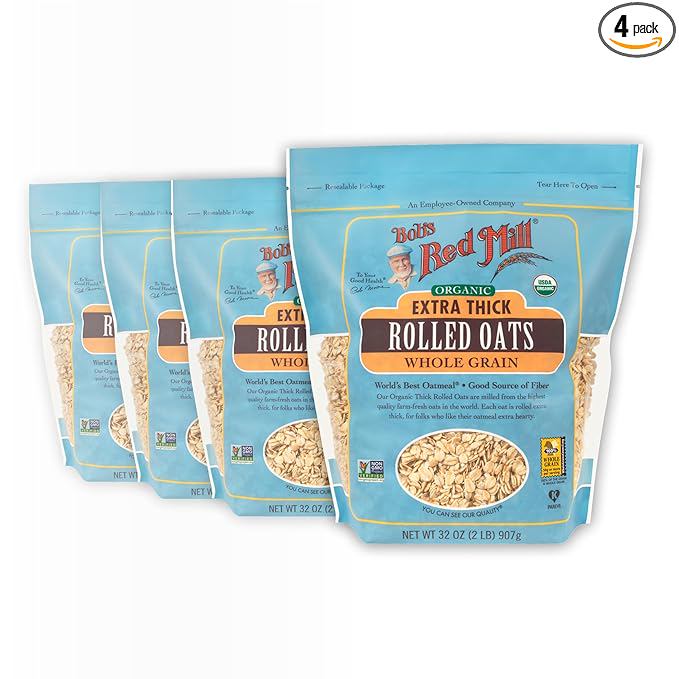
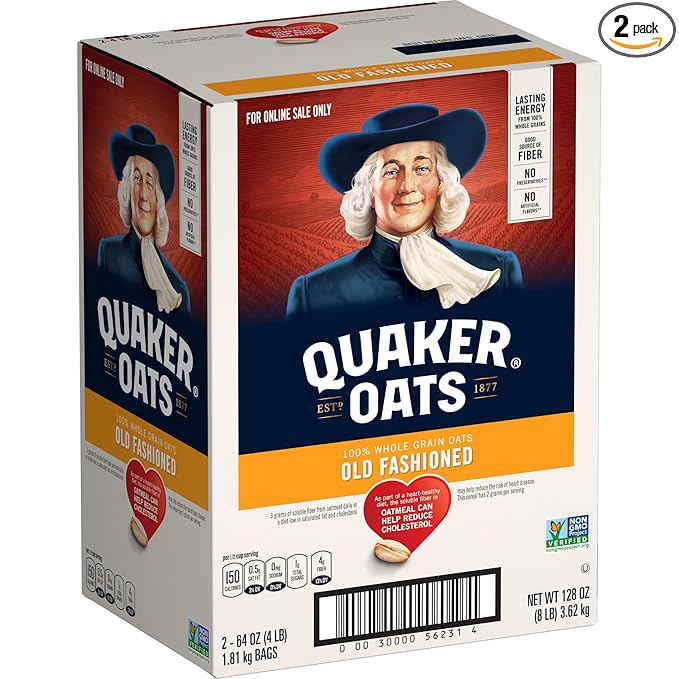
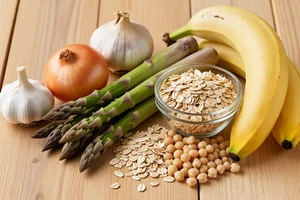
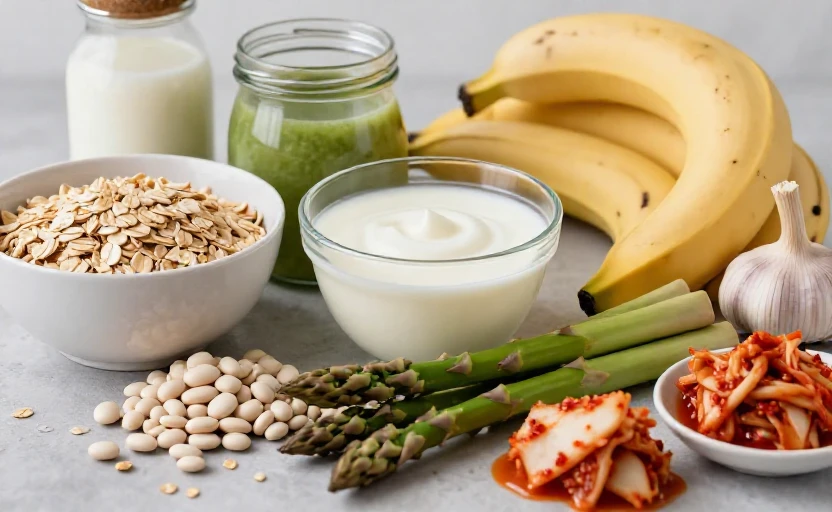
These humble whole grains are excellent sources of a prebiotic fiber called beta-glucan. As it moves through your gut, beta-glucan ferments, providing sustenance for bacteria linked to improved metabolic health and reduced inflammation. A warm bowl of oatmeal or a scoop of barley in a soup is a comforting way to start feeding your microbiome.
Tip: For maximum benefit, choose steel-cut or old-fashioned oats over instant varieties, which are more processed.
2. Garlic and Onions
More than just flavor foundations, alliums like garlic, onions, leeks, and shallots are packed with a prebiotic called inulin and fructooligosaccharides (FOS). These compounds are particularly effective at stimulating the growth of Bifidobacteria, a genus associated with a healthy gut lining and immune function. Try adding them raw to dressings or salsas, or cooked into countless savory dishes.
3. Legumes
Beans, lentils, and chickpeas are powerhouse prebiotics. They’re loaded with galactooligosaccharides (GOS), a fiber that robustly supports beneficial gut bacteria. Their high fiber content also adds bulk to stool, supporting regular digestion. If your system isn’t used to them, introduce legumes gradually to allow your microbiome to adjust.
4. Fermented Vegetables
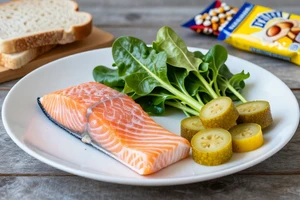
This is where probiotics come in. Naturally fermented foods like sauerkraut, kimchi, and traditionally prepared pickles (not the vinegar-brined kind) are teeming with live Lactobacillus bacteria. These active cultures can help increase the diversity of your gut microbiota. Look for products in the refrigerated section that say “live and active cultures” or “naturally fermented.”
5. Kefir and Yogurt
These cultured dairy products are among the most accessible probiotic sources. Kefir, a tangy drinkable yogurt, often contains an even wider array of bacterial strains than yogurt. Both deliver protein and calcium alongside their microbial benefits. Opt for plain, unsweetened versions to avoid added sugars, which can feed less desirable gut bacteria.
6. Artichokes and Asparagus
These vegetables are especially rich in inulin. Jerusalem artichokes (sunchokes) are one of the most concentrated sources available. Asparagus provides inulin along with other nutrients. Roasting, grilling, or steaming them makes for a simple, delicious side dish that acts as a potent meal for your gut microbes.
7. Bananas (especially slightly green ones)
As bananas ripen, their resistant starch—a valuable prebiotic fiber—converts into simple sugars. Therefore, bananas that are still slightly green at the tips offer more of this gut-friendly starch. Resistant starch travels to the colon largely intact, where it ferments and produces short-chain fatty acids like butyrate, a primary energy source for colon cells.
Building a gut-friendly pattern
Knowing which foods to eat is one thing; weaving them into your life is another. The key is consistency and combination. You don’t need to eat all seven every day. Instead, focus on making them regular guests in your meals.
Consider a day that starts with yogurt and banana, includes a lunch salad with chickpeas and onions, and features a dinner with grilled asparagus and a side of kimchi. That pattern delivers a spectrum of prebiotic fibers and probiotic cultures, supporting your microbiome throughout the day.
Listen to your body as you make changes. Increasing fiber intake quickly can sometimes cause temporary gas or bloating. Start with smaller portions and drink plenty of water to help your digestive system adapt smoothly.
What to enjoy in moderation
Just as some foods build up your gut garden, others can disrupt it. Highly processed foods, especially those with lots of added sugars and artificial sweeteners, can negatively alter bacterial balance and promote inflammation. A diet consistently high in red and processed meats may also impact the microbiome unfavorably. This isn’t about elimination, but about creating a balance where nourishing, whole foods take center stage.
Caring for your gut is a long-term investment in your overall well-being. By mindfully adding these seven food groups to your rotation, you’re not just eating for today—you’re cultivating a thriving inner world that supports your health for years to come.