You’ve rolled up your mat, your body feels both spent and alive, and a quiet sense of clarity settles in. What you choose to eat in the hour or two after your practice can profoundly influence how you feel for the rest of the day—and how you show up for your next session. It’s not about strict rules or calorie counting; it’s about honoring the work you just did and giving your body the specific building blocks it needs to repair, rehydrate, and restore its natural balance.
Think of your post-yoga meal as an extension of your practice—a mindful act of self-care. Whether your flow was a vigorous vinyasa or a gentle yin, your muscles have been engaged, your connective tissues stretched, and your nervous system modulated. The right foods can support muscle repair, replenish glycogen stores, rehydrate you at a cellular level, and help sustain that hard-earned sense of calm.
What your body needs after yoga
Yoga is unique. It combines strength, flexibility, balance, and often a significant mental focus. Your nutritional needs reflect this blend. You’re not necessarily training for a marathon, but you have challenged your physiology.
The primary goals for post-yoga eating are straightforward: rehydrate, repair muscle tissue, and restore energy. To achieve this, focus on a combination of three key components:
- Protein: Provides amino acids, the raw materials for repairing the micro-tears in muscle fibers that occur during physical activity, no matter how gentle.
- Carbohydrates: Replenish glycogen, the stored form of energy in your muscles and liver that you tapped into during your practice.
- Fluids & Electrolytes: Replaces water and minerals like sodium and potassium lost through sweat and deep breathing.
A simple framework is to aim for a meal or snack that contains a source of lean protein, a portion of complex carbohydrates, and plenty of colorful vegetables or fruits for added vitamins, minerals, and hydration.
The post-yoga window is a prime opportunity to nourish your body with intention. Listen to its signals—are you genuinely hungry, or just thirsty? Do you crave something light or more substantial?
Meal ideas for different times of day
Your ideal recovery meal will look different after a 6 a.m. sunrise practice versus a 6 p.m. evening flow. The goal is to align with your body’s natural rhythm and hunger cues.
After a morning practice
Breaking your fast after a morning session sets the tone for your day. You’ll want something that’s satisfying but not overly heavy.
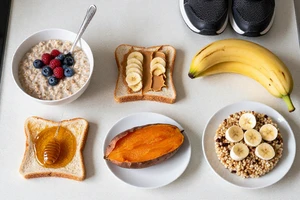
- A savory breakfast bowl: Start with a base of quinoa or sweet potato. Top with two scrambled eggs or crumbled tempeh, a handful of spinach wilted in, sliced avocado, and a sprinkle of pumpkin seeds.
- Greek yogurt parfait: Full-fat or 2% plain Greek yogurt layered with berries, a drizzle of honey or maple syrup, and a tablespoon of chia seeds or chopped almonds.
- A robust smoothie: Blend unsweetened almond milk, a scoop of protein powder or a serving of silken tofu, a handful of frozen mango, a big handful of spinach, and a tablespoon of ground flaxseed.
After an afternoon or evening practice
This meal often bridges the gap to dinner or serves as dinner itself. Focus on balanced, whole-food plates.
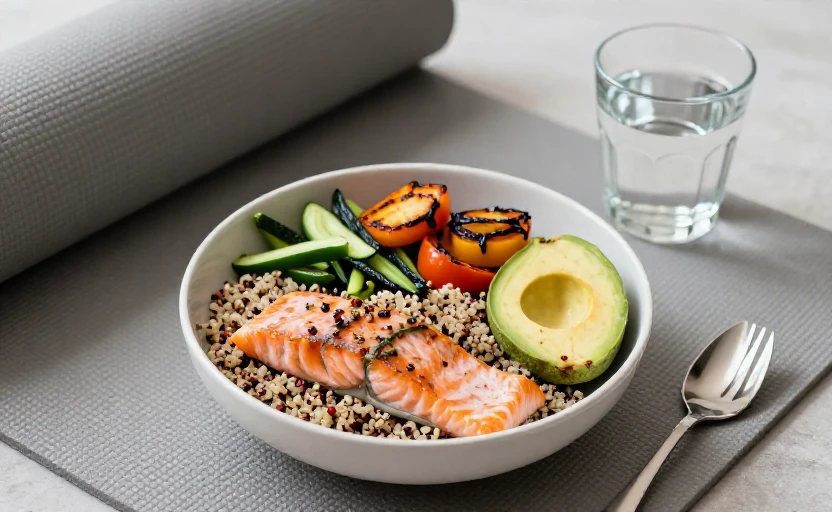
- One-pan salmon and veggies: Roast a salmon fillet alongside asparagus and cherry tomatoes. Serve over a small portion of brown rice or farro.
- Hearty lentil soup: A broth-based soup packed with lentils, carrots, celery, and kale. Lentils provide both protein and complex carbs. Pair with a whole-grain roll.
- Nourish bowl: Combine a grilled chicken thigh (or baked tofu), roasted broccoli, a quarter of an avocado, and a half-cup of cooked quinoa. Drizzle with a simple lemon-tahini sauce.
Snacks for when a full meal isn't practical
Sometimes you need to bridge the gap between your studio session and your next meal. These snacks are portable and perfectly balanced.
- A hard-boiled egg and a small apple.
- A tablespoon of almond butter spread on a whole-grain rice cake.
- A small container of cottage cheese with pineapple chunks.
- A ready-to-drink protein shake (look for one with minimal added sugar).
Hydration is non-negotiable
We often underestimate fluid loss in yoga, especially in heated rooms or during intense flows. Water is essential, but after sweating, you also lose electrolytes.
Start by drinking water consistently after class. For a more robust rehydration strategy, especially after a sweaty practice, consider:
- Adding a pinch of high-quality sea salt to your water.
- Drinking coconut water, which naturally contains potassium.
- Eating water-rich foods like cucumber, watermelon, oranges, or strawberries as part of your recovery meal.
Foods and habits to approach mindfully
Just as some poses aren’t right for every body, some common post-practice choices might not serve your recovery goals.
Heavy, greasy foods can be difficult to digest and may counteract the lightness you cultivated. Highly processed snacks or sugary bars might cause a rapid spike and crash in energy, disrupting your calm. While a post-yoga coffee or tea is fine for many, be aware that caffeine can be dehydrating for some individuals; balance it with plenty of water.
The most important principle is to tune in. Notice how different foods make you feel an hour later. Does that meal leave you energized and satisfied, or sluggish and bloated? Your body’s feedback is your most reliable guide.
Ultimately, post-yoga nutrition is a practice in itself—one of awareness, kindness, and providing your body with the simple, wholesome fuel it deserves to carry the benefits of your practice off the mat and into your life.