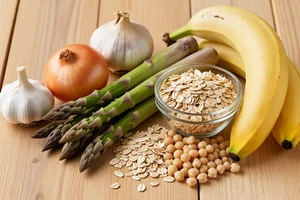
We hear a lot about probiotics—the live bacteria that help keep our digestive system balanced. But those beneficial bugs need to eat, too. That's where prebiotics come in. Prebiotics are types of dietary fiber that feed the good bacteria in your gut, helping them thrive and multiply. While we often think of getting prebiotic fiber from foods like onions, garlic, oats, and bananas, you can also sip your way to a happier gut.
If you're looking to support your digestive health without overhauling your entire diet, swapping one of your daily drinks for a prebiotic-rich option is a simple, effective place to start. Below are three gut-friendly beverages that naturally provide prebiotic fiber, along with tips on how to incorporate them into your routine.
1. Chicory root coffee: a familiar swap with fiber benefits
Chicory root is one of the richest natural sources of inulin, a soluble prebiotic fiber that passes undigested through your upper gastrointestinal tract and ferments in your colon, feeding beneficial Bifidobacteria and Lactobacilli. Roasted and ground chicory root brews into a warm, dark drink that tastes remarkably similar to coffee—though it's completely caffeine-free.
When you drink chicory root coffee, you're not just getting a comforting morning ritual. A single serving can provide anywhere from 2 to 6 grams of prebiotic fiber, depending on how strong you make it. That's a meaningful contribution toward the 5–10 grams of prebiotic fiber suggested daily for digestive benefits.
Try this: Brew a 50/50 blend of your regular coffee and roasted chicory root granules for an easy transition. Or drink it straight as an afternoon warm-up that won't interfere with your sleep.
Heads up: If you're not used to a lot of fiber, start with a small cup. Inulin can cause bloating or gas when introduced too quickly. Think of it as letting your gut microbes adjust to their new feast.
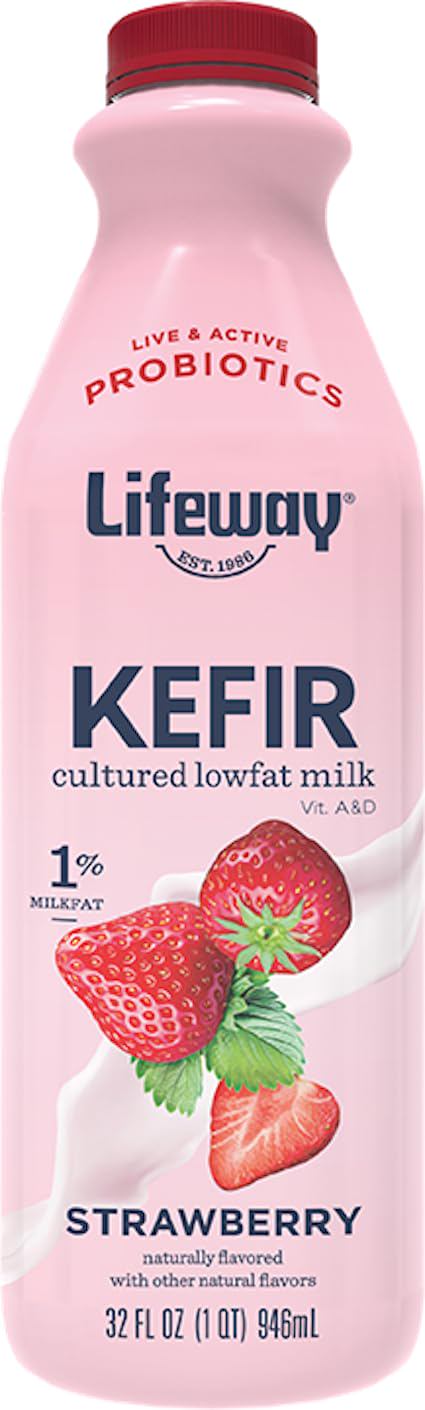
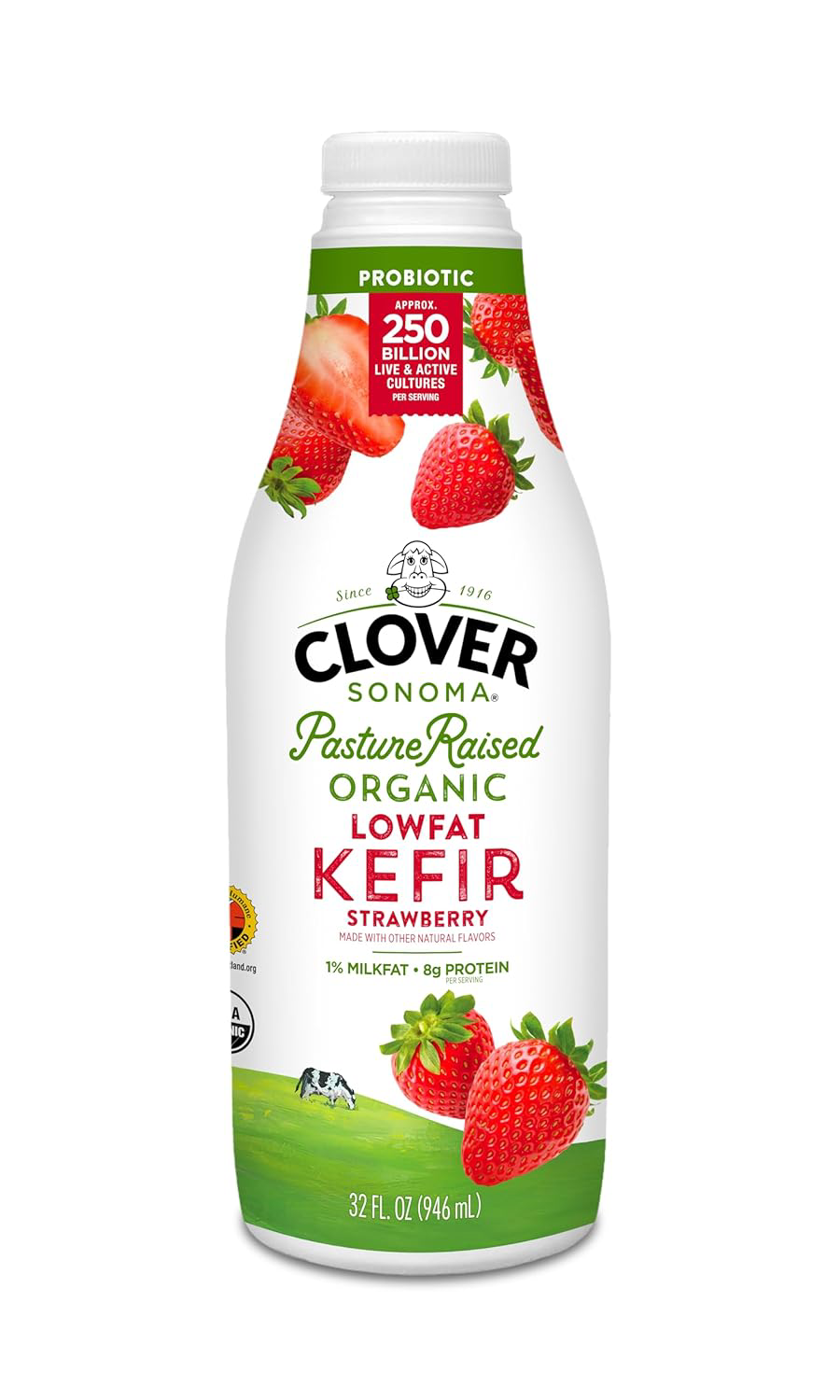
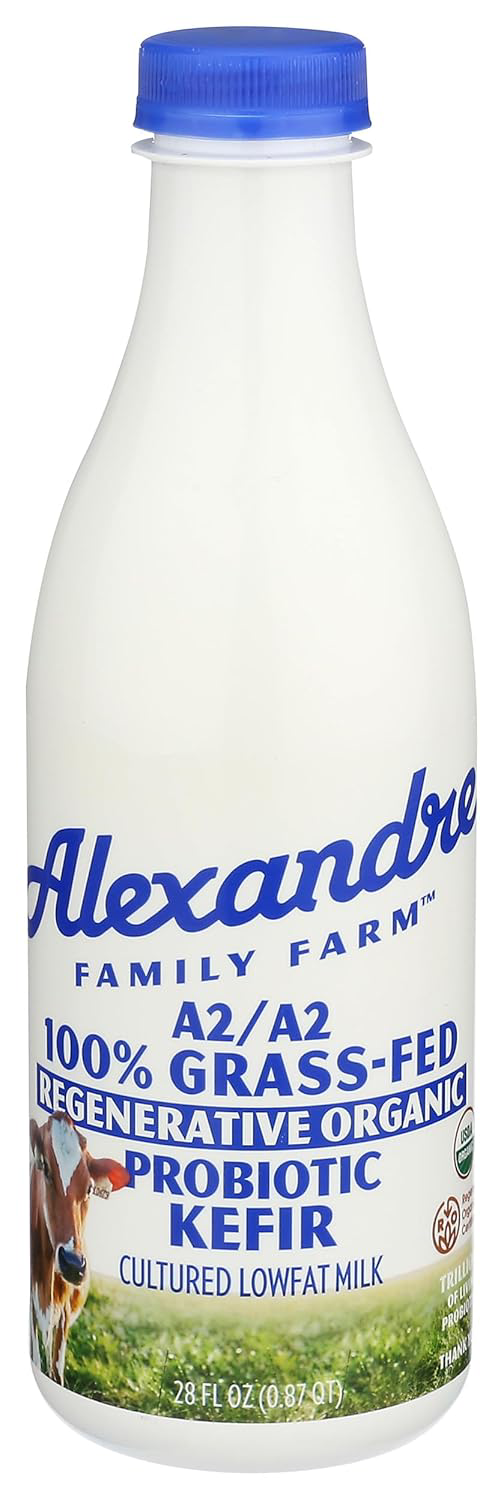
2. Kefir: not just probiotics, but prebiotic potential too
Milk kefir is famous for its probiotic content—it's fermented with a symbiotic culture of bacteria and yeasts. However, depending on how it's made, kefir can also offer prebiotic benefits. Traditional kefir grains produce exopolysaccharides (EPS), which are complex carbohydrates that resist digestion and act as prebiotics for other gut bacteria. Some commercial kefir brands also stir in chicory root fiber or inulin, boosting the prebiotic content further.
Water kefir, a dairy-free alternative, is naturally lower in prebiotic fiber unless fruit or sugar sources are added. But the good news is you can easily upgrade it. Blending water kefir with mashed banana, a few dates, or a tablespoon of raw oats introduces soluble fiber, turning your tangy fermented drink into a complete prebiotic-plus-probiotic powerhouse.
Tip for maximum benefit: Look for plain, unsweetened kefir. Not only does it avoid added sugars that can crowd out your gut microbes, but unsweetened versions often have more room for added prebiotic fibers in the ingredient list. Drink a 6–8 ounce serving as a snack or post-workout refreshment.
3. Fruit-infused water with whole fruit pulp, not just flavor
Infused water usually means fruit slices floating decoratively in a pitcher—nice for taste, almost useless for fiber. A smarter approach is to actually blend or muddle the fruit into your water so you consume the pulp, where most of the soluble fiber lives.
Green kiwi fruit is a standout choice for this. Kiwi contains the enzyme actinidin, which helps break down protein, plus a unique type of soluble fiber called pectin that acts as a prebiotic. Studies suggest that eating two kiwis per day (yes, with the fuzzy skin if you can tolerate it, as that adds more fiber) can improve bowel regularity and increase beneficial short-chain fatty acids in the gut.
How to make it a drink: Peel one green kiwi, mash it thoroughly with a fork, then stir it into a glass of sparkling water. You get a tart, refreshing beverage with about 1.5 grams of fiber per kiwi—plus vitamin C and a host of phytonutrients. Alternatively, blend half a banana or a handful of blackberries into still water for a smooth prebiotic beverage that's more substantial than plain H2O.
Do you need a prebiotic drink every day?
Not necessarily, but consistency matters more than perfection. Prebiotics work best when consumed regularly, allowing your gut microbiome to maintain a stable, diverse population. Drinking one of these options 4–5 days per week is a realistic, sustainable goal. Over time, this simple habit can support digestion, improve mineral absorption (especially calcium), and help regulate bowel movements.
If you currently have irritable bowel syndrome (IBS) or small intestinal bacterial overgrowth (SIBO), some prebiotic fibers—especially high-FODMAP sources like inulin—may trigger symptoms. Listen to your body, and consider speaking with a registered dietitian who can help you identify which prebiotic beverages work best for your digestive profile.
A note on artificial prebiotic additives
Packaged prebiotic sodas and powders are everywhere now. While convenient, many contain chicory root fiber concentrates that can cause digestive upset if you're sensitive to FODMAPs. Check the label: a typical can may pack 5 grams or more of added inulin. That's a lot for a gut unaccustomed to high-fiber drinks. If you choose these products, sip slowly over the course of an hour rather than gulping it down.
Ultimately, the best prebiotic beverage is one you'll actually drink. Whether it's the roasty comfort of chicory coffee, the tangy creaminess of kefir, or the simple brightness of mashed kiwi water, you have options that fit nearly any taste preference. Pour yourself a glass and give your gut bacteria something to celebrate.