
If you’re navigating the persistent ache of back pain, you’ve likely explored stretches, heat pads, and perhaps even adjustments to your posture. But what you pour into your cup might be an overlooked part of the puzzle. Chronic back pain is often fueled by underlying inflammation—the body’s persistent, low-grade fire response that can irritate nerves and stiffen joints. While no beverage is a cure, certain teas contain compounds that can gently support the body’s own cooling mechanisms, offering a soothing, complementary ritual for relief.
The key lies in phytochemicals—the natural, bioactive compounds in plants. Some of these compounds have demonstrated anti-inflammatory and antioxidant properties in scientific studies, helping to quiet the cellular signals that perpetuate discomfort. Integrating these teas isn’t about a dramatic, overnight fix; it’s a nurturing practice, a moment of pause with a warm mug that delivers supportive nutrients directly to your system.
How can tea help with inflammation and back pain?
Inflammation is a complex biological process. When it becomes chronic, it can contribute to the degradation of tissues and the sensitization of pain pathways in areas like the back. The plants used for these teas don’t work like pharmaceutical anti-inflammatories. Instead, they offer a gentler, modulating effect. Their antioxidants help neutralize free radicals that can exacerbate inflammation, while specific active compounds may interfere with the enzymes and cytokines that drive the inflammatory response.
This makes tea a supportive ally, not a standalone treatment. Think of it as part of a holistic approach that includes movement, stress management, and proper medical guidance. The act of drinking tea itself—taking a quiet moment, breathing in the steam—can also be a form of mindfulness that helps reduce the tension that often worsens back pain.
Three teas to incorporate into your routine
These selections are backed by traditional use and a growing body of research for their anti-inflammatory potential. Their flavors range from earthy to floral, giving you options to suit your palate.
Ginger Tea
Ginger is a powerhouse root, long revered in Ayurvedic and traditional medicine. Its primary bioactive component, gingerol, is studied for its potent anti-inflammatory and analgesic (pain-relieving) effects. Research suggests ginger may work similarly to some non-steroidal anti-inflammatory drugs (NSAIDs) by inhibiting the synthesis of pro-inflammatory compounds. For back pain related to muscle strain or osteoarthritis, ginger tea can be a warming, soothing choice.
To prepare: Simmer several thin slices of fresh ginger root in water for 10-15 minutes for a robust, spicy brew. You can also use high-quality ginger tea bags. Add a slice of lemon or a drizzle of raw honey if desired.
Fresh ginger root often provides a more potent and flavorful cup compared to pre-packaged powders.
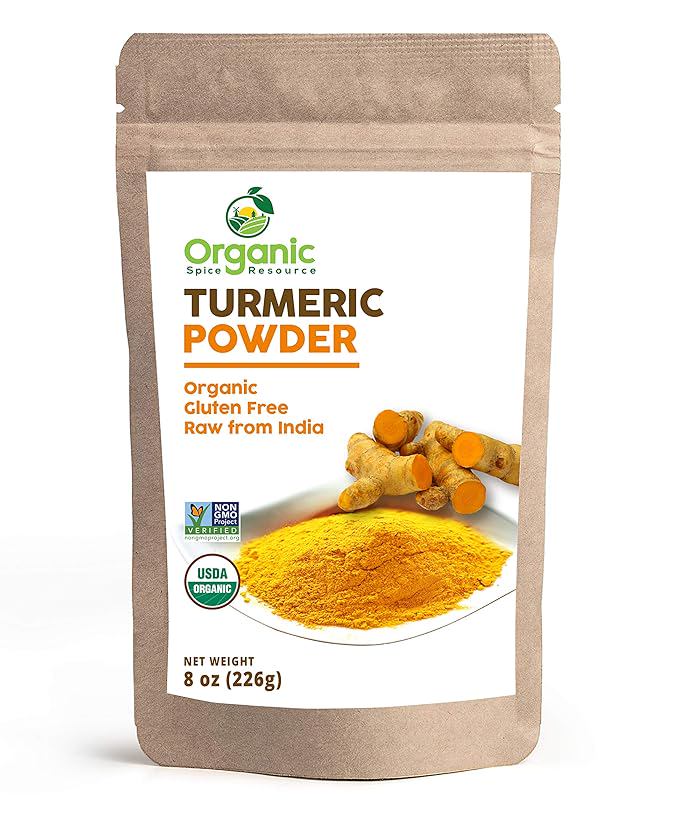
Turmeric Tea (Golden Milk)
The vibrant yellow spice turmeric gets its color and much of its fame from curcumin. Curcumin is celebrated for its strong anti-inflammatory and antioxidant properties, with numerous studies highlighting its ability to modulate inflammatory pathways at a molecular level. However, curcumin is poorly absorbed on its own. This is where a classic preparation like golden milk shines.
Traditionally, turmeric is simmered with milk (dairy or plant-based) and a fat source, like coconut oil or ghee, and a pinch of black pepper. The fat enhances solubility, and the black pepper contains piperine, which can increase curcumin absorption by up to 2,000%. This makes a creamy turmeric latte not just a comforting drink, but a more bioavailable way to enjoy the benefits.
To prepare: Warm your milk of choice with a teaspoon of turmeric powder, a small grind of black pepper, a dash of cinnamon, and a tiny bit of coconut oil or ghee. Whisk until smooth and heated through.
Green Tea
Green tea is rich in a group of antioxidants called catechins, the most studied of which is epigallocatechin-3-gallate (EGCG). EGCG has been shown to have significant anti-inflammatory effects, potentially helping to protect cartilage and bone. For back pain linked to inflammatory conditions, the regular, moderate consumption of green tea may offer supportive benefits as part of an overall diet.
It’s also a source of L-theanine, an amino acid that promotes relaxation without drowsiness, which can help ease the mental stress that tightens muscles. Opt for quality loose-leaf or bagged green tea, and steep with water below boiling (around 175°F or 80°C) for 2-3 minutes to avoid bitterness and preserve delicate compounds.
What to keep in mind when using tea for wellness
While these teas are generally safe for most people, they are potent botanicals. Ginger can have a blood-thinning effect, turmeric in very high doses may interact with certain medications, and green tea contains caffeine. It’s wise to start with one cup a day and see how your body responds. If you are pregnant, nursing, on medication (especially blood thinners or diabetes drugs), or have a scheduled surgery, consult your healthcare provider before making them a daily habit.
Consistency is more valuable than quantity. One thoughtfully prepared cup per day, enjoyed mindfully, is a better practice than occasionally drinking several. Pay attention to your body’s signals—the goal is to feel supported and soothed.
Finally, remember that hydration is foundational. These teas contribute to your fluid intake, but pure water remains essential for disc health and flushing metabolic byproducts from tissues. Let anti-inflammatory teas be a special part of your routine, not a replacement for adequate water.