You hear a lot about eating for your gut microbiome—load up on fiber, eat fermented foods like kimchi and sauerkraut, cut back on ultra-processed snacks. But what about your glass? What you sip throughout the day might be just as important as what lands on your plate.
The good news is that you don't have to rely on pills or powders to support a healthy gut. Some of the most time-tested fermented drinks around the world are naturally packed with beneficial live bacteria (probiotics) that can help keep your digestive system humming. Here are five probiotic-rich beverages worth pouring into your daily routine—no kombucha brewery required.
1. Kefir: The tangy powerhouse
Think of milk kefir as yogurt's more potent, drinkable cousin. It's made by fermenting milk with kefir "grains"—a symbiotic culture of bacteria and yeasts that looks a bit like small cauliflower florets. What makes kefir special is its diversity; it can contain dozens of different strains of probiotics, which is more than what you'll typically find in standard yogurt.
Some research even suggests that consuming kefir regularly may improve lactose digestion in people with lactose intolerance, thanks to microbes that help break down the sugar. For a low-sugar option, look for plain, unsweetened varieties and add your own fruit or a splash of vanilla. Water kefir (made with sugar water and a different culture) is also available for those who prefer a dairy-free choice, though it tends to have fewer strains than the milk version.
2. Kombucha: The fizzy friend
Kombucha has moved from health-food store shelves to mainstream grocery aisles for good reason. This fermented black or green tea is tangy, fizzy, and made using a SCOBY (symbiotic culture of bacteria and yeasts). The fermentation process produces organic acids and small amounts of B vitamins, along with a range of live probiotics—though the exact strains vary a lot by brand and batch.
Watch out for added sugar. A bottle of kombucha can sometimes contain as much sugar as a soda if it's flavored with fruit juice or sweet syrups. Aim for bottles with 4 to 6 grams of sugar or less per serving. And if you are sensitive to caffeine, check the label; most kombuchas retain a fraction of the caffeine from the tea, but some are decaf.
"Kombucha's effervescence makes it an easy swap for soda, but always check the sugar content first."
3. Traditional buttermilk (cultured)
Before you reach for the thick cultured buttermilk used in baking, know there are two types. Traditional fermented buttermilk—the kind left over after churning butter—is a thin, tangy liquid packed with probiotics. The thick stuff you find in most supermarkets is often just regular milk with thickening agents and added cultures, which is fine for pancakes but may have fewer active live cultures.
Look for "cultured buttermilk" made with live active cultures and without a long list of stabilizers. You can drink it straight, blend it into a smoothie, or use it as a base for a savory lassi. It's particularly high in riboflavin (vitamin B2), phosphorus, and calcium.
4. Yogurt drinks (like lassi and doogh)
Yogurt-based beverages have been staple gut-health drinks for centuries in many parts of the world. Lassi, a traditional Indian yogurt drink, is often blended with fruit, rose water, or spices like cardamom. Doogh, popular in Iran and the Middle East, is a savory, carbonated yogurt drink usually seasoned with mint and salt.
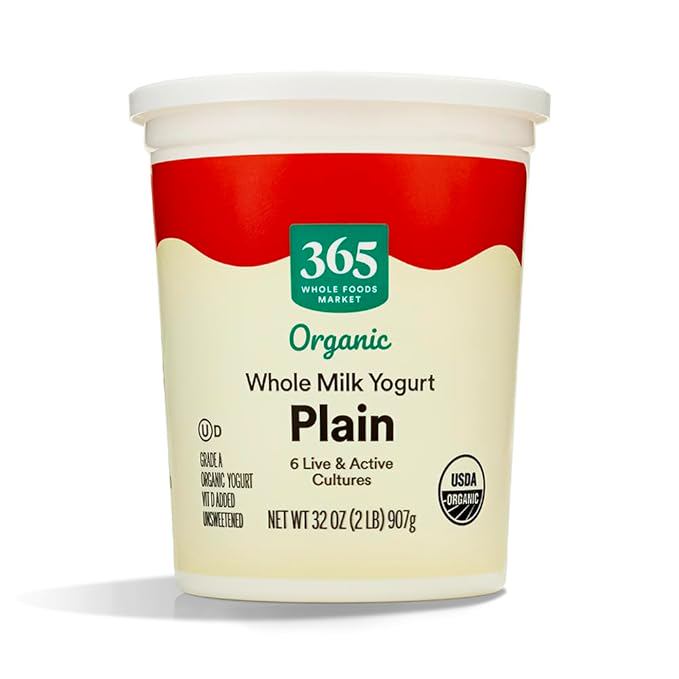
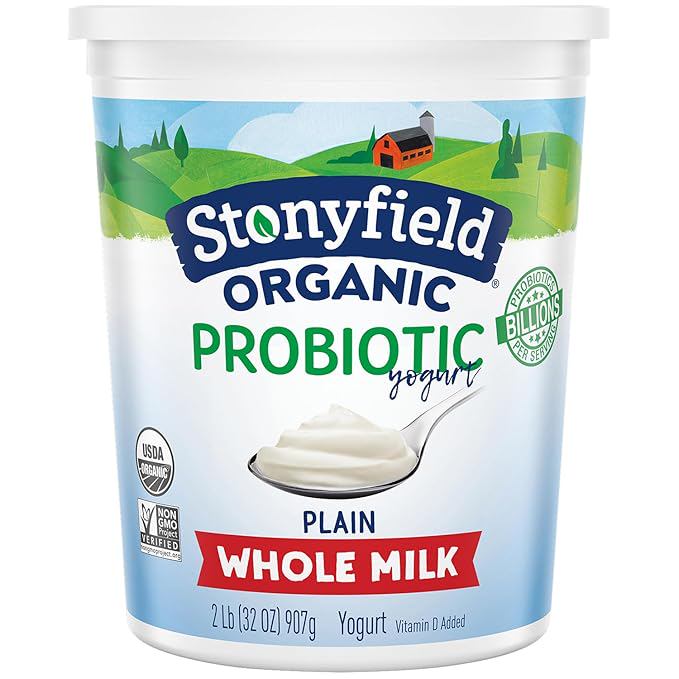
These drinks offer the same probiotics found in a bowl of yogurt but in a more hydrating, portable form. When buying lassi at a store, check the label for active live cultures. Also, be mindful of sugar—authentic homemade lassi is often lightly sweetened, but commercial versions can load up on added sugar. An unsweetened or lightly sweetened option is best. Lactose-free versions are also appearing on the market as digestive-friendly alternatives.
5. Kvass (beet or other vegetable)
Kvass is a traditional Eastern European fermented beverage, classically made from rye bread or beets. Beet kvass is the most common in health-food circles: it's earthy, salty, slightly sour, and full of live lactic acid bacteria from the natural fermentation.
The benefits go beyond probiotics. Beetroot is naturally rich in antioxidants called betalains, and some early research suggests that fermented beet beverages may support healthy blood pressure levels, though more studies are needed. A serving of kvass is typically just a few ounces—it's potent stuff. Look for brands that are unpasteurized and naturally fermented (check the refrigerated section). You can also make it at home fairly easily with just beets, water, salt, and a jar.
What to keep in mind with probiotic drinks
Not every bottled beverage labeled as "probiotic" actually delivers enough live microorganisms to make a difference. Many commercial products are pasteurized to extend shelf life, a process that kills the very bacteria you want. Look for "live active cultures" or "unpasteurized" on the label. Refrigerated options are more likely to retain potency.
Sugar is another watchpoint. Fermentation requires sugar to feed the good bacteria, but the final product should not be overly sweet. A drink that tastes like candy has probably been sweetened after fermentation, which can feed less helpful gut bacteria. Your best bet: choose plain or low-sugar varieties and flavor them yourself with fresh fruit or a squeeze of citrus.
And if you are new to probiotic drinks, start small. A sudden increase in live bacteria can cause bloating, gas, and gut discomfort. A quarter-cup of kefir or a few ounces of kombucha daily is plenty to start. Gradually increase after a week or two as your digestive system adjusts.
Disclaimer: This article is for general health and wellness education only. It does not provide medical advice, diagnoses, or treatment. Consult your healthcare provider before changing your diet or taking any supplements, especially if you have a compromised immune system or a digestive condition.