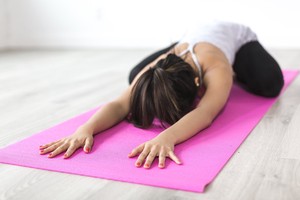
Stepping onto your mat feeling clear, light, and ready to move is one of the best parts of a yoga practice. That readiness, however, can be quietly undermined by something as simple as what you sip—or don’t sip—in the hours beforehand. Dehydration doesn’t always announce itself with a raging thirst; it often shows up as subtle fatigue, a foggy mind, or the sharp, unwelcome pull of a muscle cramp mid-pose.
Choosing the right drink before yoga is less about a magic potion and more about supporting your body’s basic needs with intention. It’s a gentle act of preparation that honors the connection between your internal state and your physical expression. The goal isn’t to flood your system right before class, but to cultivate a state of balanced hydration that allows you to focus on your breath and movement, not your physiology.
Why hydration matters for your yoga practice
Yoga might not look like a high-sweat activity from the outside, but holding poses, generating internal heat (especially in styles like Vinyasa or Bikram), and focusing the mind all demand significant resources from your body. Water is the medium for nearly every cellular process, including the muscle contractions and nerve signals that make your practice possible.
When you’re even mildly dehydrated, blood volume can drop slightly. This means your heart works a bit harder to deliver oxygen and nutrients to your muscles. You might notice your balance feels off, your stamina dips earlier, or your concentration wavers. Cramps occur when overworked or fatigued muscles, often in a state of electrolyte imbalance, involuntarily contract. Proper pre-practice hydration helps maintain the fluid and electrolyte balance that keeps these signals firing smoothly.
Think of hydration as priming the pump, not putting out a fire. Consistent intake throughout the day is far more effective than chugging a large volume right before you begin.
Timing is everything
The when is just as critical as the what. Your body needs time to absorb fluids and distribute them where needed. Gulping a giant glass of water 10 minutes before class is more likely to leave you feeling sloshy and needing a bathroom break than truly hydrated.
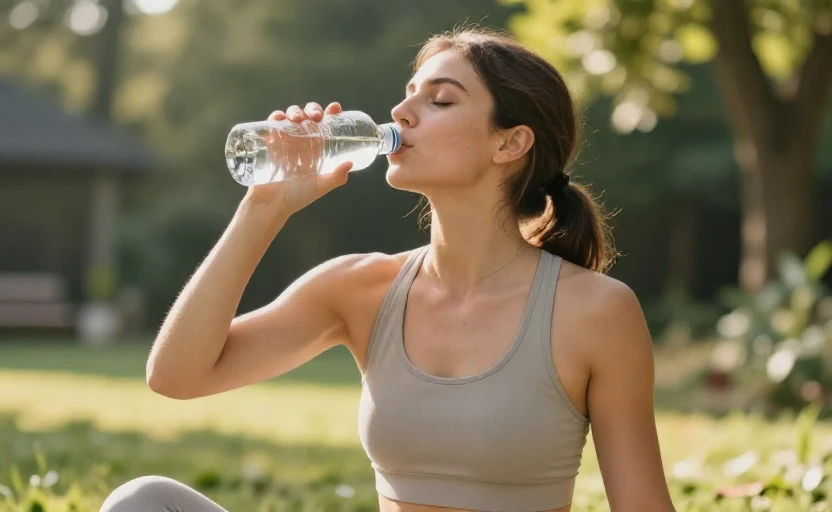
Aim to drink steadily in the two to three hours leading up to your session. A good rule of thumb is to consume about 16 to 20 ounces (roughly 500-600 ml) during that window. In the final 30 minutes, a small top-up of 4 to 8 ounces is perfect. This gives your kidneys time to process the fluids and ensures you start your practice in a state of comfortable equilibrium.
What to reach for before you flow
For most people practicing a moderate-length session (60-75 minutes), plain, still water is the perfect and simplest choice. It’s readily absorbed and does exactly what you need it to do. If your water tastes good to you, you’re more likely to drink it, so consider filtering your tap water or adding a slice of cucumber or lemon for a hint of flavor.
However, if you’re practicing in a heated room, have a particularly vigorous style, or are someone who tends to sweat profusely, you might benefit from a drink that includes electrolytes. These are minerals like sodium, potassium, magnesium, and calcium that you lose through sweat and that are essential for muscle function and fluid balance.
Smart options with electrolytes
- Coconut water: A natural source of potassium and magnesium. Choose an unsweetened variety to avoid a sugar rush.
- Electrolyte tablets or powders: Dissolved in water, these can efficiently replace what you’ll lose. Look for options with no or low sugar and artificial additives.
- A pinch in your water: For a DIY approach, a tiny pinch of high-quality sea salt and a squeeze of lemon in your water can provide trace minerals and enhance absorption.
Drinks to approach with caution
Some beverages can work against your goals for a calm, cramp-free practice.
Heavily caffeinated drinks like strong coffee or energy drinks can have a diuretic effect, potentially increasing fluid loss. They may also heighten anxiety or jitteriness, which contradicts the mindful focus of yoga. A small cup of tea earlier in your hydration window is usually fine for regular caffeine consumers, but don’t make it your primary hydration source.
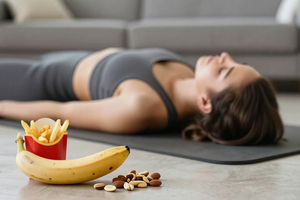
Sugary sports drinks, sodas, or juices can cause a rapid spike and subsequent drop in blood sugar. This can lead to energy crashes and may even contribute to stomach discomfort during twists and folds. The high fructose content in some juices can also be difficult for some people to digest quickly.
Alcohol is, of course, profoundly dehydrating and disruptive to coordination and balance—it’s best avoided entirely in the 12-24 hours before a practice if you want to feel your best.
Listening to your body’s signals
Guidelines are helpful, but your body is your ultimate guide. Thirst is a late-stage signal, so don’t wait for it. Instead, pay attention to the color of your urine: aim for a pale straw color. Dark yellow often indicates a need for more fluids.
Notice how you feel in different conditions. You might need more electrolytes on a hot, humid day or during a powerful Hot Yoga session compared to a gentle Hatha class in a cool room. Your needs are personal and will shift.
Starting your practice well-hydrated is a gift you give to yourself. It sets a foundation for presence, allowing you to move with greater ease, stability, and focus. By choosing your pre-practice drink mindfully and timing it well, you support not just your muscles, but the very quality of your experience on the mat.