You roll out your mat, move through your practice, and feel the deep stretch in your hamstrings and the quiet strength in your core. But what happens after you say namaste is just as important as the practice itself. The hours between your final savasana and your morning alarm are when your body does its deepest repair work — and what you sip before you slip under the covers can either support or sabotage that process.
If you are a regular yoga practitioner, you already know that recovery is not passive. Muscles rebuild, inflammation settles, and the nervous system shifts from its active "fight or flight" mode into the calm "rest and digest" state. The right bedtime beverage can nudge your body in that direction naturally. Let's look at a few science-backed drinks that can help you sleep more deeply and wake up feeling more restored.
Tart cherry juice
Tart cherry juice has gathered real attention in sports nutrition circles, and for good reason. It is one of the few natural food sources that contains measurable amounts of melatonin, the hormone that regulates your sleep-wake cycle. One study found that older adults with insomnia who drank tart cherry juice twice a day slept longer and reported better sleep quality compared to those who took a placebo.
For yoga practitioners, the benefits go beyond sleep. Tart cherries are rich in anthocyanins — plant compounds with anti-inflammatory properties. Heavy or intense yoga sessions, especially power vinyasa or hot yoga, can create micro-tears in muscle fibers that need to be repaired. The anti-inflammatory effect of cherry juice may help reduce muscle soreness and speed up recovery. A small glass — about four to six ounces — an hour before bed is enough. Look for unsweetened versions to avoid added sugar, which can stimulate the brain and keep you wired.
Warm milk or golden milk
The old remedy of warm milk before bed has more behind it than grandmotherly wisdom. Milk contains tryptophan, an amino acid that the body converts into serotonin and then into melatonin. Serotonin itself is a neurotransmitter that promotes feelings of calm and well-being — a useful state to cultivate after a challenging balancing practice.
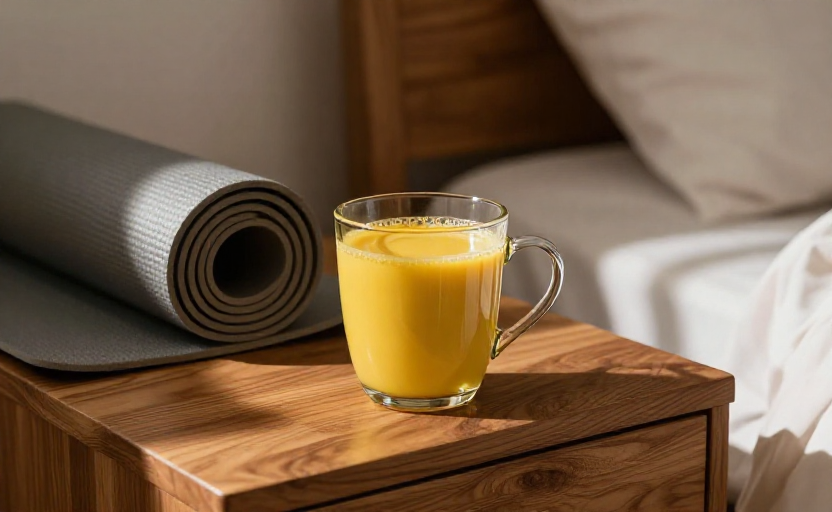
A variation worth trying is golden milk, a warm turmeric-based drink made with milk (dairy or plant-based), turmeric, black pepper, and a touch of ginger. Turmeric's active compound, curcumin, is a well-studied anti-inflammatory agent. Adding black pepper dramatically increases curcumin absorption. For a yogi dealing with sore shoulders from chaturanga or tight hips from pigeon pose, a cup of golden milk before bed can address inflammation at a cellular level while also supporting relaxation. Just keep the amount of honey or sweetener minimal; sugar close to bedtime can interfere with the initial stages of sleep.
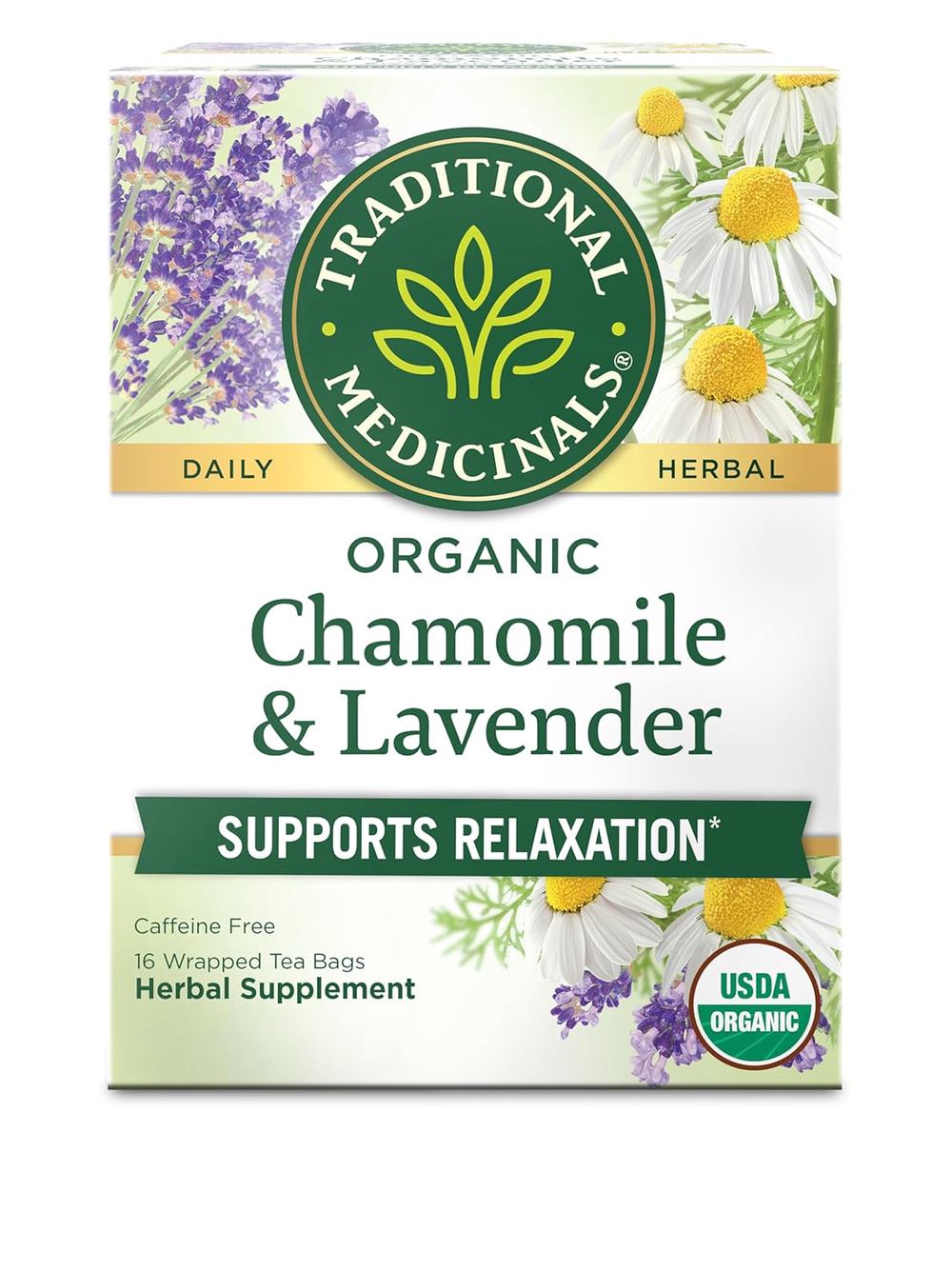
Chamomile tea with a pinch of magnesium
Chamomile tea is widely recognized as a mild sleep aid. It contains apigenin, an antioxidant that binds to specific receptors in the brain that promote drowsiness and reduce anxiety. Studies have confirmed that postpartum women and people with chronic insomnia experience better sleep quality after consistently drinking chamomile tea for two weeks.
For muscle-specific recovery, you can enhance the drink by adding a small pinch of powdered magnesium — roughly 50 to 100 milligrams mixed into the warm tea. Magnesium is an essential mineral that plays a role in muscle relaxation, nerve function, and the regulation of melatonin. Many yogis run slightly low on magnesium because sweating during practice increases losses. While you should never exceed a safe dose without talking to your doctor, a light top-up in tea form is a gentle way to support both relaxation and muscle repair. Just brew the tea, let it cool slightly, and stir in the powder until dissolved.
What to avoid before bed
Knowing what not to drink is equally important. Caffeine has a half-life of roughly five hours, meaning that a 3 p.m. coffee can still leave enough caffeine in your system to disrupt the quality of your deep sleep at 10 p.m. — even if you are able to fall asleep quickly. The same goes for black tea, green tea, and soda.
Alcohol is another tricky one. While a nightcap can make you feel drowsy, it fragments the second half of your sleep cycle, reducing time spent in REM and deep sleep. Those are precisely the stages where the body releases growth hormone and repairs muscle tissue. Even one drink within two hours of bedtime can noticeably reduce recovery quality. A better alternative is to stop drinking alcohol at least three to four hours before you plan to sleep and rely on one of the drinks above to help you wind down.
A small warm drink before bed can become a powerful ritual — not because of any single ingredient, but because it tells your nervous system that the day is over and it is safe to rest.
Timing and portion size matter
One mistake eager practitioners make is drinking a large volume of fluid right before bed. A full glass of water, juice, or milk can lead to middle-of-the-night bathroom trips that break your sleep cycle. Keep your serving size small — roughly four to six ounces for most drinks. Drink it about 60 to 90 minutes before you plan to close your eyes. That window gives your body enough time to process the fluid and start metabolizing the beneficial compounds without forcing you to wake up for a trip to the bathroom at 2 a.m.
Piecing it together for your own practice
There is no single magic drink that works for everyone. A good approach is to experiment over the course of a week. Try tart cherry juice for three nights. Notice how you feel when you wake up — not just whether you slept through the night, but whether your lower back feels looser and your shoulders feel less tight. Then switch to chamomile with magnesium for the next three nights. Pay attention to how quickly you fall asleep and how easily you get out of bed in the morning.
Yoga teaches us that the body is a system, not a collection of isolated parts. What you drink before bed is a small input, but it feeds into that larger system. Pair your evening ritual with gentle restorative poses like legs-up-the-wall or a supine twist, and you create conditions where sleep becomes deeper and repair becomes more complete. Over time, these small nightly choices accumulate into noticeably better recovery and a more grounded, consistent practice.