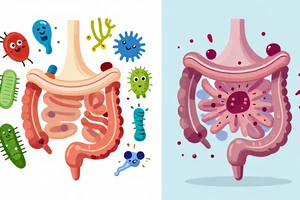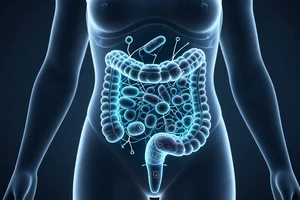
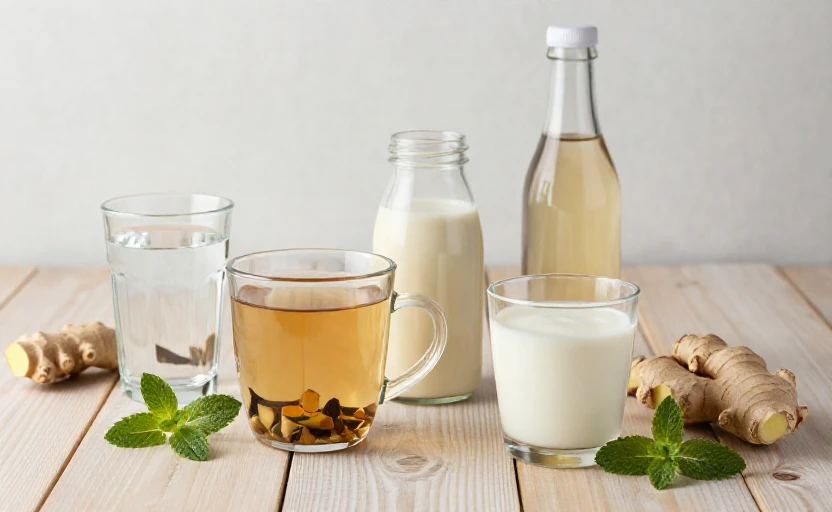
What you pour into your glass can be just as powerful for your gut as what you put on your plate. While we often focus on solid foods, beverages travel the same digestive highway, directly interacting with your gut lining and its resident microbes. The right choices can soothe, nourish, and support a thriving ecosystem. The wrong ones can trigger inflammation, feed unhelpful bacteria, and disrupt the delicate balance you’re trying to cultivate.
Navigating the drink aisle with gut health in mind isn’t about finding a single miracle elixir. It’s about understanding how different liquids influence your internal environment, from hydration and pH to their direct impact on your microbiome. Let’s explore what deserves a regular spot in your rotation and what might be better enjoyed as an occasional treat.
Drinks That Nourish Your Gut
These beverages offer benefits that extend beyond basic hydration, providing compounds that actively support a healthy digestive tract.
Water: The Essential Foundation
It might seem obvious, but pure, simple water is the non-negotiable bedrock of gut health. Adequate hydration keeps the mucosal lining of your intestines supple and supports the smooth movement of food and waste. Think of it as the river that keeps everything flowing; without enough water, digestion can become sluggish and uncomfortable. While all water hydrates, some people find filtered water sits better, especially if their local supply is heavily chlorinated, which may affect some sensitive gut bacteria.
Herbal and Medicinal Teas
Warm, caffeine-free teas are gentle allies for digestion. Their benefits often come from plant compounds called polyphenols.
- Ginger Tea: A classic for a reason. Ginger contains gingerol, a compound with noted anti-inflammatory properties that can help calm an upset stomach, reduce nausea, and ease bloating.
- Peppermint Tea: Peppermint has a relaxing effect on the smooth muscles of the gastrointestinal tract, which can provide relief from cramping and gas. It’s best sipped between meals if you have acid reflux, as it can relax the lower esophageal sphincter.
- Green Tea (decaf or regular): Rich in polyphenols like EGCG, green tea has antioxidant and anti-inflammatory effects that may create a more favorable environment for beneficial gut bacteria.
- Fennel Tea: Known for its carminative effect—helping to break down gas bubbles in the gut—fennel tea is a gentle choice for post-meal comfort.
Brew your tea covered for 5-10 minutes to allow more of the beneficial plant compounds to steep into the water.
Fermented Drinks
These are beverages that have undergone fermentation, a process where bacteria or yeasts convert sugars into acids or alcohol. They can be a source of live probiotics.
- Kefir: A fermented milk drink that’s often even richer in probiotic strains than yogurt. Look for plain, unsweetened versions. Water kefir, made from sugared water and kefir grains, is a dairy-free alternative.
- Kombucha: A fermented tea drink. It contains organic acids and, in unpasteurized forms, live cultures. Be mindful of the sugar content, as much of it is consumed during fermentation, but some remains. Start with small servings (like 4 oz) to see how your gut reacts.
- Kvass (beet or fruit): A traditional Eastern European fermented drink, often made from beets, which are a prebiotic food for gut bacteria.
It’s important to note that the probiotic content in commercial fermented drinks can vary widely based on processing and shelf life.
Bone Broth
Simmered for long periods, bone broth is rich in the amino acids glycine and glutamine. Glutamine, in particular, is a primary fuel source for the cells lining your small intestine, helping to maintain the integrity of the gut barrier. A warm cup of broth can be incredibly soothing during digestive discomfort.
Drinks to Approach with Caution
Moderation is key here. These drinks aren’t necessarily forbidden, but understanding their potential impact can help you make informed choices that align with your gut health goals.
Sugary Sodas and Sweetened Beverages
This category is arguably the most disruptive for gut health. High-fructose corn syrup and other concentrated sugars are rapidly absorbed, but they can also feed less desirable bacteria and yeast in the gut, potentially leading to dysbiosis—an imbalance in your microbial community. The carbonation in sodas can also contribute to bloating and gas for many people.
Artificially Sweetened Drinks
While they promise sweetness without calories, some artificial sweeteners (like sucralose, saccharin, and aspartame) may negatively alter the composition and function of the gut microbiome, according to emerging research. They are not a uniform group, and their effects are still being studied, but they are not a clear-cut “healthy” alternative for the gut.
Excessive Alcohol
Alcohol, especially in large amounts, can damage the gut lining, increase intestinal permeability (sometimes called “leaky gut”), and alter the microbiome. It can also be inflammatory. An occasional glass of red wine, which contains polyphenols, may have a different profile than frequent high-quantity consumption of other types of alcohol, but moderation is the consistent guideline.
Coffee: A Complicated Friend
For many, coffee stimulates bowel movements, which can be helpful. It also contains polyphenols. However, its acidity can irritate some people’s stomachs or worsen acid reflux. The caffeine can also stimulate the “gut-brain axis,” potentially increasing anxiety or stress, which directly impacts gut function. Listen to your body; if coffee causes jitters or digestive distress, you may benefit from switching to a lower-acid brew, having it with food, or reducing your intake.
Dairy Milk (For Some People)
If you have lactose intolerance, the lactose sugar in milk can cause significant bloating, gas, and diarrhea as it passes undigested into the colon. For those without intolerance, dairy can be part of a gut-healthy diet, especially fermented forms like yogurt and kefir.
Building Your Gut-Friendly Drink Routine
Creating habits that support your gut doesn’t require a complete overhaul overnight. Start with small, sustainable swaps.
Begin your day with a glass of water before reaching for coffee or tea. This rehydrates your system after a night’s sleep. Throughout the day, keep a water bottle handy as your primary source of hydration.
Consider incorporating one fermented drink a few times a week, observing how you feel. Swap an afternoon soda or sugary juice for sparkling water with a splash of 100% fruit juice or a slice of citrus, cucumber, or ginger.
Wind down in the evening with a cup of caffeine-free herbal tea, like chamomile or ginger, which can signal to your body and brain that it’s time to relax—a state much more conducive to good digestion than a state of stress.
Ultimately, the best drinks for your gut are the ones that make you feel consistently well. They should hydrate without causing bloating, provide nourishment without triggering discomfort, and fit peacefully into your daily life. By choosing beverages that support your inner ecosystem, you’re taking a simple, yet profoundly effective, step toward overall well-being.