You’ve just finished a run. Your heart is still thumping, your legs feel heavy, and your shirt is damp. The first thing you reach for is likely a drink. But what you choose in those next few minutes can influence how quickly you bounce back, how your muscles feel tomorrow, and even how ready you are for your next outing. For everyday runners, hydration isn’t just about quenching thirst—it’s a core part of the recovery process.
Navigating the options can be confusing. Is water enough? Do you need a fancy sports drink? What about chocolate milk or tart cherry juice? The answer isn’t one-size-fits-all; it depends on the length and intensity of your run, the conditions, and your own body. Let’s break down what your body actually needs after a run and explore the simple, effective drinks that can help you meet those needs.
What your body needs after a run
When you run, you lose more than just water. Sweat contains electrolytes—primarily sodium, but also potassium, magnesium, and calcium. These minerals are crucial for nerve function, muscle contraction, and fluid balance. A hard or long run also depletes glycogen, the stored carbohydrates in your muscles that fuel your effort. Finally, the mechanical stress of running creates tiny tears in muscle fibers, which is a normal part of building strength but requires the right nutrients for repair.
Therefore, a good recovery drink addresses three key areas: rehydration, electrolyte replenishment, and refueling. For a short, easy run on a cool day, water might check all the boxes. But as the distance, intensity, heat, or humidity increases, your needs become more complex.
Think of your post-run drink as the first step in your recovery, not an afterthought.
The everyday runner’s drink options
You don’t need a lab-formulated potion. Many effective options are already in your kitchen or at the local grocery store.
Water: The essential foundation
For runs under 60 minutes at a moderate effort, plain water is often perfectly sufficient. It rehydrates without added sugars or calories. The key is drinking enough. A good rule of thumb is to drink 16-24 ounces of water over the hour following your run. Listen to your thirst, and note the color of your urine; pale yellow is the goal.
If you tend to sweat heavily or see salt stains on your hat or shirt, you might need to support plain water with a salty snack to replace lost sodium.
Electrolyte drinks: For salty sweaters and longer efforts
For runs lasting over an hour, or any run in high heat where you sweat profusely, an electrolyte drink is a wise choice. Look for one containing sodium (300-600 mg per liter) and potassium. These help your body retain the fluid you’re taking in and replace what’s lost.
You can find tablets or powders to mix with water, which lets you control the strength. Be mindful of the sugar content in some sports drinks; while a moderate amount of sugar can help with carbohydrate replenishment after a long run, you may not need it after a shorter one.
Chocolate milk: The classic recovery favorite
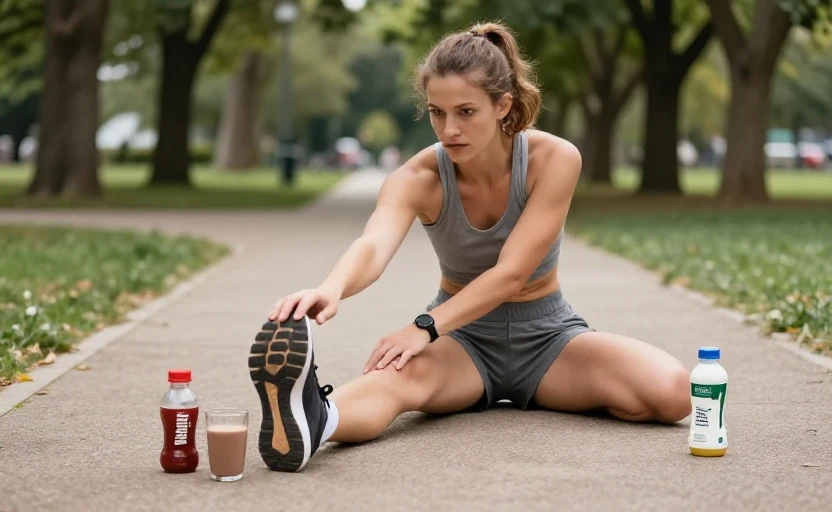
It’s a classic for a reason. Chocolate milk offers a near-ideal ratio of carbohydrates to protein (about 3:1 or 4:1), which helps replenish glycogen stores and provides protein for muscle repair. It also contains water, electrolytes like sodium and potassium, and usually vitamins D and B12. It’s a convenient, all-in-one option after a solid training run.
Tart cherry juice: For inflammation and sleep
While not a primary hydration source, tart cherry juice has gained attention for its anti-inflammatory properties, attributed to compounds called anthocyanins. Some studies suggest it can help reduce post-exercise muscle soreness. Its natural melatonin content may also support better sleep, which is when much of the body’s repair work happens. Consider it a supplemental drink, perhaps diluted with water or sipped later in the day, rather than your immediate post-run rehydration fluid.
Coconut water: A natural electrolyte source
Coconut water is rich in potassium and contains some sodium, magnesium, and calcium. It’s a natural, lower-sugar alternative to traditional sports drinks for moderate electrolyte replacement. However, its sodium content is typically much lower than in commercial electrolyte mixes or our sweat, so after a very sweaty run, it may need to be paired with a salty food to fully meet needs.
How to choose what’s right for your run
Let your run be your guide. Match your drink to the demands you just placed on your body.
- The 30-Minute Easy Run: Water is king. Focus on fully rehydrating.
- The 60-Minute Tempo or Hill Run: Consider an electrolyte drink or chocolate milk, especially if you pushed the pace or it was warm.
- The 90+ Minute Long Run: Prioritize a drink that combines fluids, electrolytes, and carbohydrates. An electrolyte drink during the run, followed by chocolate milk or a recovery shake afterward, works well.
- The Race or Maximum Effort: Have a plan. Use a familiar electrolyte drink during the event and follow it with a recovery drink that includes both carbs and protein within 30-60 minutes of finishing.
Remember, what you drink throughout the day matters just as much as your immediate post-run choice. Consistent hydration supports all your body’s functions, making recovery more efficient.
A note on timing and listening to your body
The so-called “recovery window” of 30-60 minutes post-run is when your muscles are most receptive to replenishing glycogen and using protein for repair. Having a drink that addresses these needs in that timeframe is beneficial, especially after harder sessions.
But don’t let a clock cause anxiety. If you can’t drink something immediately, just have it when you can. More importantly, learn to read your body’s signals. Unquenchable thirst, persistent muscle cramps, or unusually dark urine can signal significant dehydration that needs addressing. A feeling of lingering fatigue might suggest you need to pay more attention to refueling.
Your post-run ritual is personal. For some, it’s a quiet moment with a cool glass of water. For others, it’s a creamy chocolate milk that feels like a reward. The best drink is the one that effectively meets your physiological needs and fits seamlessly into your life as a runner.