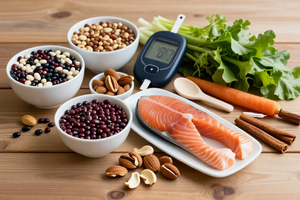

Ultra-processed foods—think packaged snacks, sugary cereals, fast food, and many frozen dinners—now make up a huge share of the modern diet. When these items become daily staples rather than occasional conveniences, the body responds in ways that go far beyond simple weight gain. Understanding these changes can help you make more informed choices without falling for extreme dietary rules.
Daily consumption of processed foods can shift your metabolism, alter your gut microbiome, and even change your brain's reward system. Below is a closer look at what science says about the long-term effects of a heavily processed diet, and how even small adjustments can support better health.
How Processed Foods Affect Your Digestion and Gut Health
Most ultra-processed foods are low in fiber and high in refined carbohydrates, unhealthy fats, and chemical additives. Fiber is crucial for regular bowel movements, feeding beneficial gut bacteria, and slowing the absorption of sugar. When you eat these foods every day, your digestive system gets less of the plant-based roughage it needs. Over time, this can lead to constipation, an imbalanced gut microbiome (dysbiosis), and reduced production of short-chain fatty acids that protect colon health.
A diet built around processed foods often lacks the variety of plant fibers that help beneficial bacteria thrive. This shift is linked to increased gut inflammation and a higher risk of digestive disorders.
The Impact on Blood Sugar and Energy Levels
Refined carbohydrates and added sugars are the hallmarks of processed foods. When you eat them daily, your blood sugar spikes sharply soon after meals. Your pancreas releases a surge of insulin to bring glucose into cells, which can then lead to a rapid drop in blood sugar, leaving you tired, irritable, and craving more quick energy. This blood sugar roller coaster places continuous strain on your insulin-producing cells. Over months and years, this pattern can contribute to insulin resistance—a key driver of type 2 diabetes.
Hidden Sugars and Chronic Inflammation
Many processed foods contain added sugars under names like high-fructose corn syrup, agave nectar, or maltodextrin. High daily intake of these sugars triggers low-grade systemic inflammation. Markers such as C-reactive protein rise, and this chronic inflammation is linked to heart disease, fatty liver, and joint pain. Unlike natural sugars found in whole fruits, which are packaged with fiber and antioxidants, added sugars in processed foods hit the system fast and hard.
Your Brain and Appetite Regulation
Processed foods are engineered to be hyper-palatable—combining high levels of sugar, fat, and salt in ways that light up the brain's reward centers. Eating them daily may actually dull your natural appetite-regulation signals. The hormone leptin, which tells your brain you are full, becomes less effective when you consume a diet high in processed ingredients. This disconnect can make it harder to recognize satiety, leading to overeating and gradual weight gain.
Your brain adapts to constant reward spikes from processed foods, making whole foods like vegetables and lean proteins taste less appealing by comparison.
Potential Long-Term Risks
Daily consumption of processed foods is associated with several chronic conditions:
- Cardiovascular disease: High sodium, trans fats, and added sugars elevate blood pressure and LDL cholesterol levels.
- Fatty liver disease: Excess fructose, especially from sweetened drinks and snacks, is converted to fat in the liver and can accumulate over time.
- Weight gain and obesity: Low fiber and high energy density make it easy to consume excess calories without feeling full.
- Mood and mental health: Diets high in processed foods are linked to higher rates of depression and anxiety, partly due to gut-brain axis disruption and blood sugar instability.
Practical Steps to Shift Your Diet
You do not have to eliminate all processed foods overnight to see benefits. Small, consistent changes can ease the transition:
- Replace one daily packaged snack with a piece of fruit or a handful of nuts.
- Cook an extra portion of whole grains (like brown rice or quinoa) to add to lunches instead of instant noodles or white bread.
- Choose plain yogurt or milk over sweetened flavored versions.
- Read ingredient lists: if a product has more than five ingredients or words you cannot pronounce, consider it an occasional food.
The Bottom Line
Eating processed foods every day does not cause immediate harm in everyone, but it reliably nudges the body toward metabolic inefficiency, gut imbalance, and chronic inflammation over time. Prioritizing whole, minimally processed foods supports stable energy, better digestion, and a lower risk of long-term disease. The goal is not perfection—it is about shifting the center of your plate toward real food most of the time.